

How Long Does a Nose Piercing Take to Heal
A tiny hole through the nostril ranks among humanity’s favorite skin alterations across continents. It allows for self-expression, accentuates facial features, and has cultural or personal significance for many individuals. While getting a nose piercing is relatively quick, understanding how long does a nose piercing take to heal is essential for anyone considering this procedure. Touch it too soon, twist without care, invite redness that lingers longer than intended.
A tiny hole through nose skin – nostril or wall inside – brings contact with constant airflow, touch, even makeup. Blood flows well there, yet germs find it just as easily. Some heal fast. Others wait weeks beyond expectation. Inside changes happen slowly: swelling fades, new cells replace damaged ones. Cleaning matters, yes, but so does patience when crust forms or redness lingers. Each body moves at its own pace, no two timelines match. What feels fine day ten might flare again by twenty. Sticking to gentle routines shapes how smooth the path becomes.
How nose shape affects recovery
To fully grasp how long does a nose piercing take to heal, it is important to understand the anatomy of the nose. Soft cartilage and moist inner lining fill the nostril space, whereas the septum holds tougher cartilage wrapped in delicate skin and wet tissue. Blood vessels pack tightly into these parts, helping wounds seal fast yet react strongly when disturbed.
A tiny opening cuts through skin during a piercing, usually causing slight damage nearby. Because of that shift, the body kicks off its built-in repair mode – this inflammation marks step one. More blood moves into the spot, bringing along defenders like white cells. These workers arrive right where needed, starting to rebuild what was broken while weaving fresh support strands around the metal piece. Until those threads bond completely with living layers, tenderness stays present. That slow blend of flesh and ornament shows why patience matters, also why timelines differ – one person might close faster, another takes longer.
What Affects How Long Healing Takes
Healing takes different amounts of time based on a mix of personal and outside influences. Things like how old you are, your general well-being, how well your body fights off sickness, and what traits run in your family play big roles. When someone is younger and their defenses work well, mending tends to happen quicker. On the flip side, long-term health problems or weak protection from illness can slow things down.
A sharp needle handled by an expert causes less harm than clumsy attempts. Healing moves faster when tools are clean and the hand steady. Mistakes happen if someone uses dull gear or skips sanitation steps. Swelling shrinks quicker under skilled care compared to rushed efforts. Bacteria sneak in through dirty studs or shaky hands. Clean routines block infections before they start. Rough handling tears skin, slowing everything down. Well-placed holes respond better over days of quiet repair.
What you make jewelry from really matters. Surgical steel, titanium, or 14-karat gold tend to cause fewer allergies, redness, or infections. On the flip side, cheap metals like nickel mixes may spark swelling, slow down how skin bonds with the piece, and stretch out recovery time. Metal choice shapes how well your body accepts it.
Typical Healing Timeline
Piercing a nostril versus the septum means uneven recovery times – tissue thickness, circulation quality, and how much things shift play roles. Usually around two to four months pass before outer healing shows on a nostril hole. A septum begins calming down quicker, often within six or eight weeks, though full internal settling stretches out across half a year.
Still, those numbers are just estimates, as explained in professional piercing healing guidelines. Some piercings appear ready on the surface even when inner layers aren’t fully settled. Touching the area too soon – or swapping studs before time – might interfere with new tissue growth, which could bring soreness, lasting pinkness, or worse, an infection. Understanding that healing is a multi-layered process—both superficial and deep—is essential to answering the question of how long does a nose piercing take to heal comprehensively.
The Path Through Recovery
Begins the body’s repair work almost right away, moving through distinct phases over time. One stage flows into the next, shaped by specific changes and rhythms unique to each period. Each step reveals different signs, unfolding on a schedule all its own.
Right away, once pierced, the skin turns red and swells a little. It feels sore because the body sends healing cells there fast. Those cells guard against germs while fixing damaged parts. The spot stays tender for days, sometimes two weeks. Touching it wrong might slow things down. Mistakes here could lead to problems later on.
Healing moves into a new phase by weeks three through six. Fresh fibers of collagen wrap gently around the jewelry as work inside keeps going. Instead of fading fast, redness eases slowly, while puffiness drops off bit by bit. Strength returns to the area, yet tenderness lingers beneath what looks calm above. Even if things seem settled, bumps or friction can still cause trouble without warning.
Two to six months in, the body keeps adjusting around the piercing. Collagen builds up slowly, adding support where it’s needed most. At this point, things settle deeply into place, making shifts far less likely. Swapping out jewelry becomes more manageable, though not risk free. How fast this happens can shift person to person – thicker cartilage tends to slow progress. Good care routines help, but some need extra time regardless. Patience matters most when healing feels invisible.
Nose piercings need time, not just for looks but because healing goes beneath the surface. Each stage matters since repair happens where you can’t see it. Lasting change comes slowly when tissue settles into place. The timeline isn’t about appearance alone – structure takes patience. True recovery shows up only after inner layers finish their work.
Good Care After Helps Healing
A clean routine sets the pace for how fast things mend. Skipping advised steps tends to stretch out the healing process by days or more. A saltwater mix usually works best, washing off gunk and germs while staying soft on fresh skin. Harsh cleaners with alcohol? They tend to burn delicate areas, slowing progress instead of helping.
Washing your hands comes first every time you go near the piercing. Leave the jewelry alone at first; those early weeks matter while the body builds new fibers by the opening. When lying down, stay off that side so it does not get sore or shift out of place. Good rest, water, and food quietly help skin fix itself during healing.
Achieving full healing from a nose piercing depends heavily on consistent care afterward – skipping steps might stretch discomfort longer than needed. What seems minor daily can shape the entire outcome over time.
Signs of Proper Healing vs. Complications
Most of the time, a little puffiness, warmth, or soreness shows up early on – that is just part of how skin settles after change. Instead of alarm, notice if it fades by week three; oozing or scabbing sometimes happens while internal moisture works its way out.
Most times, a little redness fades fast. Yet when red streaks stay too long, that might mean trouble inside. Swelling that worsens by the day points toward something off. Smelly fluid leaking? That sort of signal should never be ignored. Pain beyond mild discomfort may whisper deeper issues. Metals touching skin sometimes spark unseen responses. A reaction like itching or rash could slow recovery down. Spotting changes before they grow matters more than waiting. Someone trained in piercings often sees what others miss. Doctors know how tissue fights back under stress. Knowing what hides behind symptoms shapes better choices. Healing timelines shift once problems appear. Expectations set without facts lead to frustration later. Watching closely beats regret months after.
Lifestyle and Environment Influence Recovery
How you live shapes how fast you heal. Blood flow takes a hit from smoking, making repairs in the body drag on. Alcohol messes with your defenses, so getting better gets tougher. When stress sticks around, it pushes up cortisol, which then hampers immunity and keeps tissues from mending quickly.
Water that isn’t clean might slow down how fast a nose piercing heals, something often misunderstood when people look into sexual health myths and hygiene facts. Soaking in lakes, pools, or spas could let harmful germs enter the area. Sunlight, when too strong for too long, tends to bother the sensitive skin near the piercing. Staying clear of dirty water and harsh rays helps the body fix tissue more smoothly. Fewer outside problems mean less trouble during recovery. Healing moves ahead easier when surroundings are kept under wraps.
Jewelry Choices and Adjustments While Healing
Healing time shifts depending on what kind of jewelry you wear, how big it is, because fit matters more than most think. A piece that’s too tight digs into skin, which leads to redness since pressure disrupts new cell growth. When the metal stays clean and pure, fewer people react badly due to less chemical exposure over days. If the shape follows your body’s curve just right, rubbing drops off sharply without constant shifting.
Healing takes longer when someone swaps out the jewelry too soon. Fresh tissue might tear again, letting germs inside. That early move often sets back recovery by weeks. Waiting quietly makes all the difference later on. A steady pace keeps things stable down the road.
Knowing When to Get Support
Few things beat clean skin around a fresh piercing, yet problems still show up sometimes. When swelling sticks around, or pain lingers without reason, someone who knows piercings – maybe even a doctor – ought to take a look. Could be an infection hiding underneath, placement that went slightly off track, or just the body taking its sweet time healing. What matters most? Getting eyes on it before small signs grow louder.
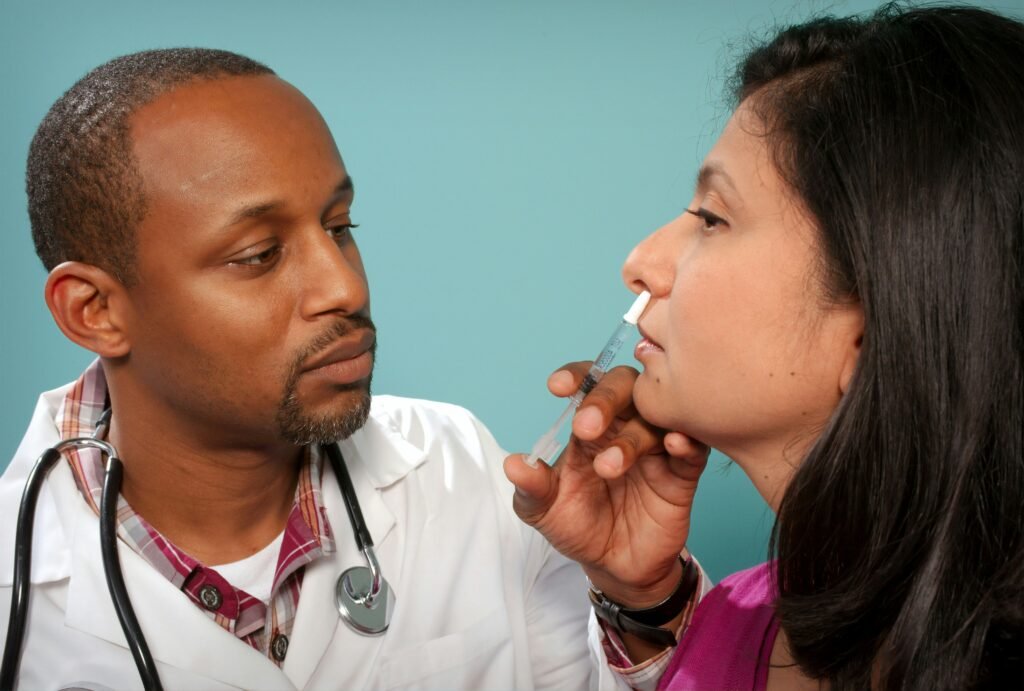
A healing nose piercing needs clear choices, guided by someone who knows the process well. When you see what could go wrong, careful steps make more sense than hoping for quick results.
Everyday Notes and Personal Thoughts
Some people say their nose piercings looked fine within six to eight weeks, yet still felt slightly tender months later. Where there’s denser cartilage, or where clothes rub often, healing drags on – so one person’s experience might differ sharply from another’s. Actual recovery times match what experts know: many elements shape the process, making any exact answer about duration misleading. Healing isn’t uniform – it bends under personal biology, habits, even daily movement.
Conclusion
A tiny hole through the nostril might look small, but it carries more complexity than it shows. When healing time comes into play, things like your body’s layout, overall wellness, how the needle was used, what metal goes inside, how you clean it, even daily surroundings start to matter. At first, redness and swelling appear – this shifts slowly as new skin forms beneath. Some people see full recovery in weeks, others wait half a year or more – it just depends on which mix of conditions shapes the process.
Healing takes time, that much becomes clear when you watch how the body responds day by day. A steady routine helps, especially when paired with advice from someone who knows what they’re doing. What happens after the needle leaves matters just as much as the moment itself. Watch for changes, yes, but also listen to how your skin reacts over weeks, not hours. Small signs mean something – redness, tightness, even slight shifts in texture. Comfort early on doesn’t guarantee strength beneath the surface. Healing isn’t done just because it looks fine in the mirror. Waiting pays off, quietly, without announcement. The inside catches up at its own pace, unseen.
Healing time for a nose piercing? It depends. Paying close attention helps. Knowledge matters just as much. Each person heals differently. The result can look good when done right. Staying careful makes it safer. Expression through piercings needs patience too.



One response to “How Long Does a Nose Piercing Take to Heal? 2026”
[…] – picking spreads germs and worsens bumps, especially when skin is already sensitive during a nose piercing healing timeline. Clean hands mean fewer flare-ups later on. Lasting calm comes from routine, not quick […]