

That quick zap in your tooth when ice water hits it? You know the one. When it strikes mid-sip, handling the ache fast matters more than you think. Understanding how to stop sensitive teeth pain immediately becomes essential when that discomfort interrupts your daily routine without warning explore more wellness tips on our homepage.
This guide shows the real reasons behind sensitivity, along with quick ways to ease discomfort – then keep it away. Solutions are straightforward, meant for normal life, not perfect conditions.
Causes of sudden tooth sensitivity?
To understand how to stop sensitive teeth pain immediately, it helps to know why it happens. Because gum lines shift, more of the inner part shows through. Tiny channels live in this area, linking straight to nerve endings beneath. When those pathways open up, discomfort follows close behind.
Something icy, scalding, sour, or sugary hits those nerves – suddenly, a stabbing ache flashes through.
Sudden temperature shifts might trigger discomfort when tooth surfaces weaken. Acidic items wear down the outer layer over time instead of protecting it. Applying too much pressure while brushing can cause more damage than anticipated by revealing underlying areas.
Gums that pull back reveal parts not meant to be left open to elements. Clenching or grinding teeth at night adds stress without noticeable signs at first. Tiny splits in enamel escape detection but allow irritation to sneak through. Early decay works quietly before showing clear symptoms. Products aiming to brighten shades sometimes strip defenses briefly along the way.
Ways to Ease Tooth Sensitivity Fast
Rinse Mouth with Warm Salt Water
A quick fix for sore spots? Try swishing warm salt water around. This mix calms irritated tissue by adjusting mouth acidity levels. Sometimes relief comes from what’s already in your kitchen cabinet.
A pinch of salt stirred into warm water can be swished lightly for half a minute. Not only does it ease discomfort, but it also helps maintain mouth wellness by lowering bacterial levels.
Use toothpaste made for sensitive teeth
When figuring out how to stop sensitive teeth pain immediately, switching to a desensitizing toothpaste is a practical step. What makes these pastes different is how they plug tiny channels leading to dental nerves.
A bit rubbed on the sore spot brings quick change – leave it a moment, then wash off. Some find ease showing up early, often by try number two or three.
Avoid Foods and Drinks That Trigger Symptoms
Sure, it seems clear – yet steering clear of irritants really does slow down how fast discomfort grows. Ice-cold sips, steaming liquids, sweets – they each tend to sharpen that raw feeling.
A small change might help when cold water hurts – leaving it out briefly lets it warm up slightly. That shift in temperature often eases discomfort without needing anything extra.
Soft Bristles Gentle on Teeth
Hard brushing might increase discomfort. Try a softer brush instead, along with light motions, which often shields enamel while calming sensitive areas.
Most times, switching things up just a little brings faster results – particularly when harsh scrubbing played a big role. Still, the shift doesn’t need much effort to make a difference.
Apply Clove Oil
Cloves carry a quiet power to ease ache, passed down through time. A drop on cotton, touched gently to the sore spot, brings short relief.
When sensitivity suddenly spikes, relief might still be possible even if only temporary. A flare-up catches you off guard – yet some ease could arrive right away.
Enamel Protection Explained
A key part of learning how to stop sensitive teeth pain immediately is recognizing the importance of enamel. Protection begins by understanding its role.
Few spots on teeth get stronger when touched by fluoride stuff. Water sips after sour bites keep the outside layer safer.
Simple Daily Choices That Lower Sensitivity Over Time
Change How You Brush
Most folks overlook how their brushing method affects tooth sensitivity. Moving the brush aggressively side to side slowly erodes enamel over time. This kind of motion also tends to upset gum tissue with repeated use.
Using soft circles works better while causing less harm.
Limit Acidic Foods
When citrus fruits, soda, or vinegar-heavy foods show up often, tooth coating slowly softens. Getting rid of them entirely? Not required – just keep portions small. Balance matters most.
Rinsing your mouth with water after eating something sour? It helps a lot. One small step, yet it cuts down acid damage fast. Think of it as a quick reset for your teeth. Done right after, it washes away harsh traces. Not magic – just motion. Over time, that rinse changes how acids affect you. Tiny effort, big difference in the long run.
Stay Hydrated
Floods of spit guard enamel by soaking up acid attacks while sweeping leftovers aside. When water levels run high inside you, that cleanup crew keeps working.
Few sips short might slow spit flow, leaving enamel open to sting. When fluid dips low, mouth defenses thin – cold bites sharper. A small drop in water weakens wetness meant to shield. Without enough rinse inside, nerves react quicker. Less liquid means less buffer against sharp feelings.
Sensitivity That Hints at Something Deeper
Now here’s when things shift – sensitivity might not stop at worn enamel. If pain lingers or hits hard, it could signal hidden issues like decay beneath the surface, receding gums doing silent damage, maybe even a hairline fracture in the tooth structure.
When pain sticks around or grows stronger, seeing a dentist makes sense. Relief tricks might ease things for a while—yet, as dental experts recommend problems deep inside stay untouched. Pain that refuses to fade? That is when professional eyes become necessary. Quick fixes give breathing room; however, real repairs demand expert hands.
Nighttime Sensitivity and Teeth Grinding
Mornings often bring sharper feelings in the teeth, though few connect it to nighttime habits. When jaws clench unconsciously, tiny layers of protection vanish over time – revealing spots that react easily.
Waking up to aching teeth? That nightly grind could be the reason. Protection while sleeping becomes possible with a fitted mouthguard.
Natural Remedies vs. Long-Term Solutions
While natural remedies like salt water rinses and clove oil can help you understand how to stop sensitive teeth pain immediately, they are not substitutes for long-term care.
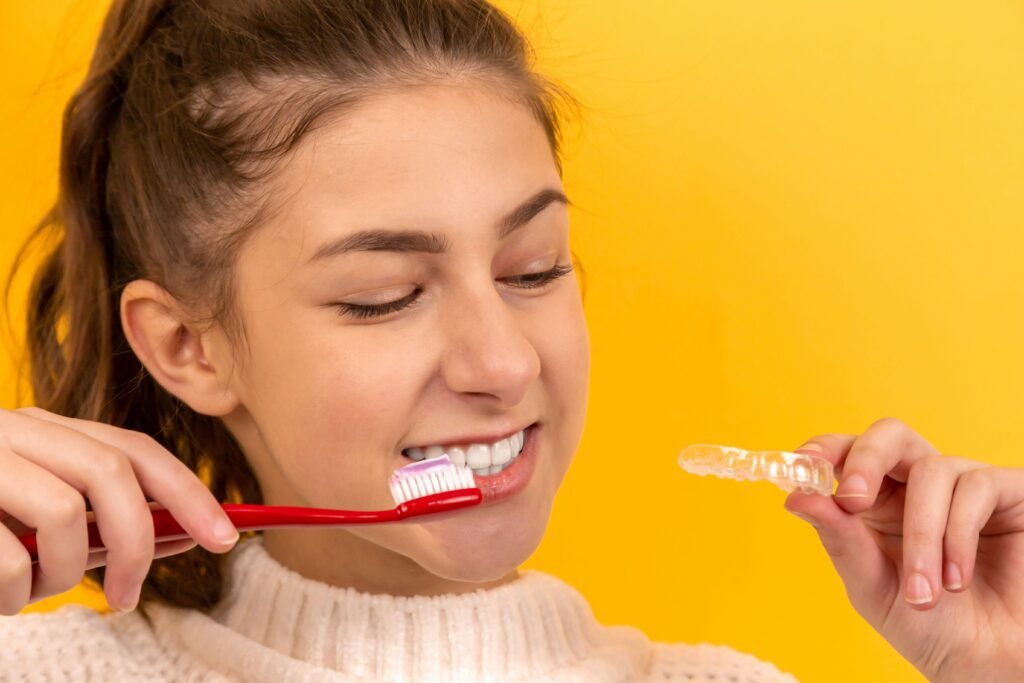
Start here: they’re just temporary fixes. To really see change, mix these solutions with daily care plus advice from a dentist. Lasting improvements? That’s how.
Handling Sensitive Teeth in Everyday Life
A cold sip on a hot afternoon, then – zap – a jolt in your tooth. That quick shift makes you pause. Room-temp water takes over, swished slow. The sting fades just enough. Later, without rushing, a dab of special paste finds the spot. Nothing dramatic follows, just quiet relief.
The ache feels less intense by morning. Slowly, changes like softer brushing plus fewer sour drinks keep it from coming back too often.
Starting here, tiny actions add up through steady effort. A single move today might shift everything tomorrow.
Preventing Future Sensitivity
Once you’ve learned how to stop sensitive teeth pain immediately, the next step is prevention.
Few tweaks each day add up – try sipping lemon water through a tube. Teeth stay stronger when visits to the dentist happen on time, not just when pain hits. Brushing slow and steady beats rushing every morning. What you eat matters more than most think, especially sticky sweets late at night. Comfort years down the road often starts with tiny choices today.
The Importance of Consistent Effort
Few things beat steady habits in dental routines. A soft brush each morning and night works better over time. Between those moments, sliding floss between teeth makes a difference little by little. Right tools help – ones that match how your mouth reacts. Small steps add up where big efforts often fade.
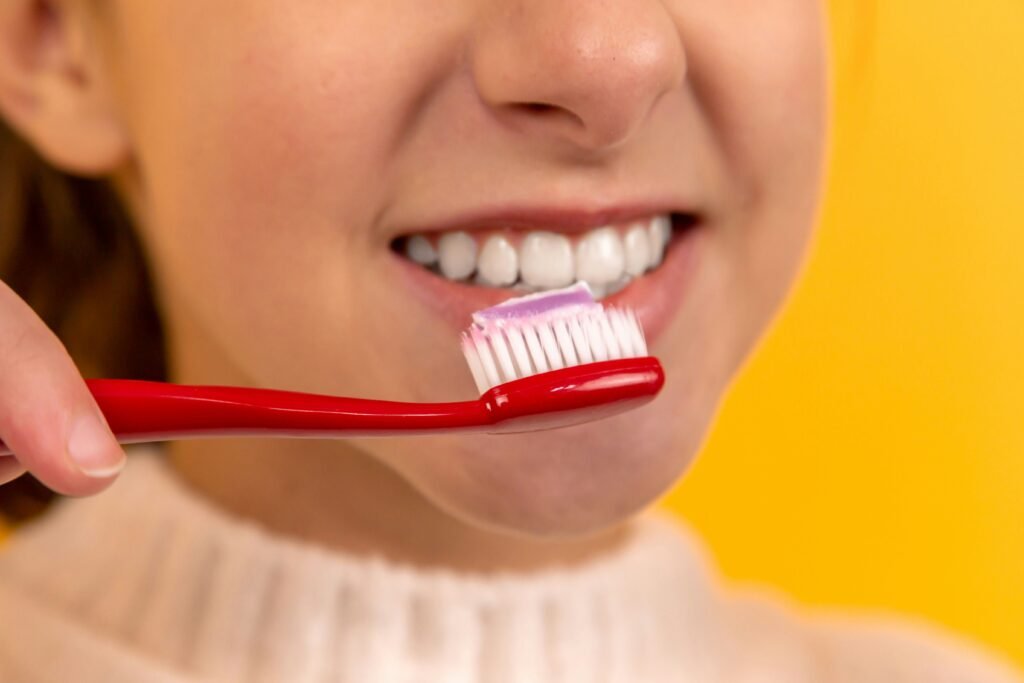
Most times, it works better when things stay basic. Skip the clutter – consistency matters more than complexity.
Final Thoughts
Dealing with tooth sensitivity can feel frustrating, especially when it appears suddenly. However, knowing how to stop sensitive teeth pain immediately gives you control over the situation. From quick remedies like salt water rinses and clove oil to smarter daily habits, there are multiple ways to reduce discomfort effectively. Over time, shifting small routines makes a difference – brushing softer helps, so does picking gentler products. Relief isn’t instant every time, yet consistency changes outcomes.
Start by mixing quick fixes with steady habits over time. Because of this blend, today’s discomfort fades while tomorrow’s flare-ups lose their grip. Suddenly, eating what you love feels possible again – no second thoughts, just living.