
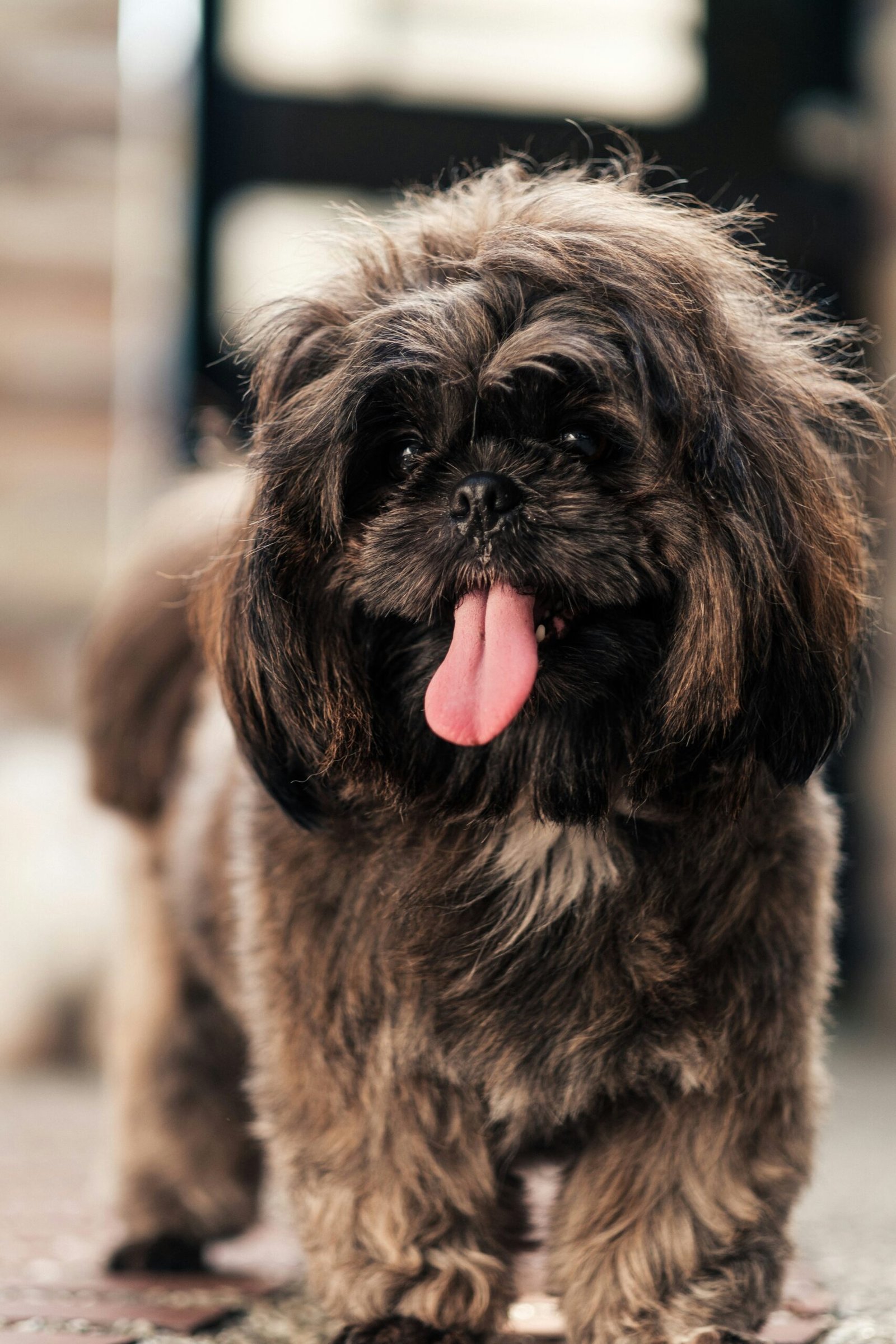
Now here’s a curious thing – some dogs can’t stop licking their feet. Pet parents start asking, why does my dog lick his paws? It might look like just part of staying tidy. After all, tongues are how dogs bathe themselves, plus quick licks now and then aren’t strange at all. Yet if the motion becomes constant, almost routine-like, there could be more beneath the surface.
Licking shows up when a dog feels pain, itchiness, or anxiety – paws often take the brunt since they meet sidewalks, grass, and gravel every day. Surfaces leave traces: dust, pollen, wetness, tiny cuts sneak under pads without warning. Soothing comes through saliva sometimes, wiping away grit or calming raw skin unnoticed. That repetitive motion? It’s quiet care, self-applied, one paw at a time.
Licking paws might mean nothing serious, yet sometimes it hints at hidden troubles needing attention. When dogs focus on their feet, itchiness from allergens could be pulling them toward that habit instead of play. Sometimes, quiet moments turn into paw grooming sessions simply because there is little else going on around them. Other times, something in the air or floor – like dust or cleaning residue – triggers repeated nibbling. Each dog shows clues differently, so watching matters closely more than assuming.
This piece covers why dogs often lick their feet, along with clues it might reveal about how they’re feeling inside. A habit like that can point to irritation, boredom, or even something deeper going on beneath the surface. Sometimes it’s a sign of allergies acting up, other times it ties back to stress finding its way out through motion. Skin trouble could spark it just as much as a mind needing comfort when left alone too long. Each dog shows it differently – some barely notice their own licking, while others fixate without pause. Spotting patterns helps figure out whether it’s harmless or time to check in with someone who knows bodies better.
Normal Dog Grooming Habits
Licking happens. It’s how dogs keep their feet clean, much like a cat tidying its fur. Before worrying about the question why does my dog lick his paws, it is helpful to understand that some paw licking is completely normal. Normal behavior often gets mistaken for trouble when it’s just a habit.
Licking paws often follows a walk, where grit or dampness sticks between toes. Much like people rinsing fingers post-exposure, it clears traces of the outside world. Quiet moments before rest might include slow licks too – part of winding down, not just cleaning up.
Licking now and then? That’s normal. Trouble might start if it happens a lot, feels urgent, or sticks to one paw without stopping.
Starting with how often it happens might show if the licking fits regular cleaning or signals something’s wrong. A shift in timing could hint at irritation instead of routine care. Look closely – when it goes on too long, it may not be about staying neat. Sometimes the rhythm tells you more than the act itself. What feels like a habit might actually be a reaction.
Allergies and Skin Reactions
One of the most common answers to the question of why does my dog lick his paws involves allergies, especially when dog paw allergies in dogs become triggered by pollen, grass, or dust in the environment. Some dogs react badly to things they eat. Others respond to stuff floating in the air around them.
Pollen, grass, dust, or mold might trigger environmental allergies. As a dog moves across such materials, particles cling to its feet, possibly bothering the skin underneath. That discomfort often results in scratching – though instead of scratching, they tend to chew or gnaw at the spot over and again.
Itchy paws, ears, or belly might not be allergies – it could be what they eat. Certain ingredients stir up trouble for some dogs, triggering discomfort in spots you might not expect.
When allergies trigger it, you might notice red paws along with swelling or constant scratching. Spotting the irritant and limiting contact usually eases symptoms over time.
Dry Skin or Irritated Paw Pads
Another possible explanation for why does my dog lick his paws is dryness or irritation of the paw pads. Though built tough for harsh terrain, those pads aren’t immune to splitting. Sometimes, grit or cold weather steals moisture, leaving them raw. Other times, a simple lack of hydration shows up there first. Each lick could be an attempt to soothe what feels tight or tender. Even resilient souls need care when conditions turn extreme.
Licking sometimes starts because of the weather. Winter’s chill or scorching pavement in July pulls moisture from paw pads. That raw feeling? It makes dogs fixate on their feet. Relief comes through repeated licking, even if it worsens things.
Paws might sting when dogs step onto floors wiped with some cleaners. A slick surface treated moments ago could carry harsh residues. Those paws touch everything, remember. Even mild soaps sometimes bring discomfort. Freshly mopped doesn’t always mean safe for four-legged steps.
A dog’s paws need close looks now and then, especially for signs of drying or tiny splits. Spotting these changes soon gives pet keepers a better chance at catching trouble before it grows. Each glance matters more than waiting until something seems clearly wrong.
Minor Injuries and Foreign Objects
Dogs are naturally curious and active animals, which means they often explore outdoor spaces that contain small hazards. When thinking about why does my dog lick his paws, it is important to consider the possibility of a minor injury.
A tiny cut could be the reason he keeps at it. Dust, thorns, even hot pavement might bother him. Each time he licks, he’s reacting to a small wrong feeling down there.
A bit of grit, maybe a sliver of wood or a sharp pebble, might get stuck right between your dog’s pads. That little irritation, though it looks minor, often makes them lick nonstop due to the nagging feel.
Licking a sore spot comes naturally when pups feel discomfort underfoot. Spotting constant attention to one paw? Take a close look – something might be wrong there.
Cleaning the paw might help when the injury isn’t serious – debris removed, problem gone. Sometimes just wiping it clean makes a difference. The area gets better once dirt or grit is out. A gentle wash does more than expected in small cases.
Parasites and Skin Infections
Another reason behind the question why does my dog lick his paws may involve parasites or skin infections, especially when irritation appears around sensitive areas that sometimes require dog ruptured anal gland abscess home treatment. Critters like fleas or mites might set off fierce scratching, along with some unseen rashes beneath the fur.
Licking that doesn’t stop might mean a dog is bothered by parasites near its paws or lower limbs. Instead of healing, damp spots between toes sometimes turn into bacterial or yeast trouble.
Redness or strange smells near the paw area might signal an infection. When these appear, fixing the root skin issue becomes key to ending constant licking.
Moisture left between toes might invite trouble, so wiping them keeps things under control. A little attention after walks goes a long way toward avoiding irritation later down the line.
Anxiety and Stress Behaviors
Licking paws might not mean pain – feelings often play a role. When tension builds, creatures may repeat actions without cause. A quiet mind rarely drives such habits.
Now here’s something odd – a dog might circle back to licking its paws when life feels too quiet or shaky. If days shift suddenly, or no one is around long enough, that little rhythm of licks can start without warning. It fills empty moments, as humming does for some people.
A single paw lick might start as a way to pass slow afternoons when no one is home. Eventually, doing it again and again carves a groove in the dog’s actions.
Fewer anxious moments show up when dogs have games, outings, or tasks that keep their minds busy. Sometimes a walk works better than silence. Curiosity slows worry. A puzzle toy here replaces pacing there. Boredom fades if attention finds new paths. Energy shifts when paws follow noses toward surprises. Calm grows where engagement takes root.
Boredom Without Things To Do
Boredom often hides behind what people call anxiety. Since dogs thrive on movement, they need things to do with their bodies as much as their minds.
Boredom might take hold when a dog lacks daily movement. That empty stretch of hours? It sometimes leads to doing the same thing over and over. Licking at paws often sneaks in as a way to pass the minutes.
Licking paws might just mean a dog craves something to do. When walks happen every day, when games break up the routine, even when toys make them think, the licking often fades. Energy finds new paths if given the chance.
A little movement each day might just shift how you handle restlessness. What seems minor could quietly change your routine over time.
Environmental Irritants on Walking Surfaces
Another factor in why does my dog lick his paws involves the surfaces dogs walk on every day. From pavement to patchy lawns, each surface might carry unseen particles. Some of these cling to tender paw skin, causing discomfort without warning. Even backyard dirt holds traces of things that bother delicate feet.
Paws can sting from sidewalk salt when snow lies thick. When the sun returns, traces of garden chemicals stick low where pets step.
Footprints pick up traces that make some canines clean between toes later – mouths work to clear grit plus calm sore spots.
Fresh water washes dirt off canine feet when they come inside. That cleanup cuts down on paw chewing later. A quick rinse takes little time yet makes a difference. Irritants get washed away before trouble starts. Less itching means less licking follows.
Habit Formation Over Time
Licking paws might start off due to a tiny irritation, yet goes on simply because it feels familiar. Routine shapes much of a dog’s life, so actions done again and again settle in like an old song stuck in the mind.
Licking those paws might start from a small irritation, yet now the dog keeps doing it even though the itch is gone. The habit sticks around long after the reason fades, simply because repeating actions turns into a routine.
Stopping this behavior often means guiding the dog toward different actions, like games or learning tasks.
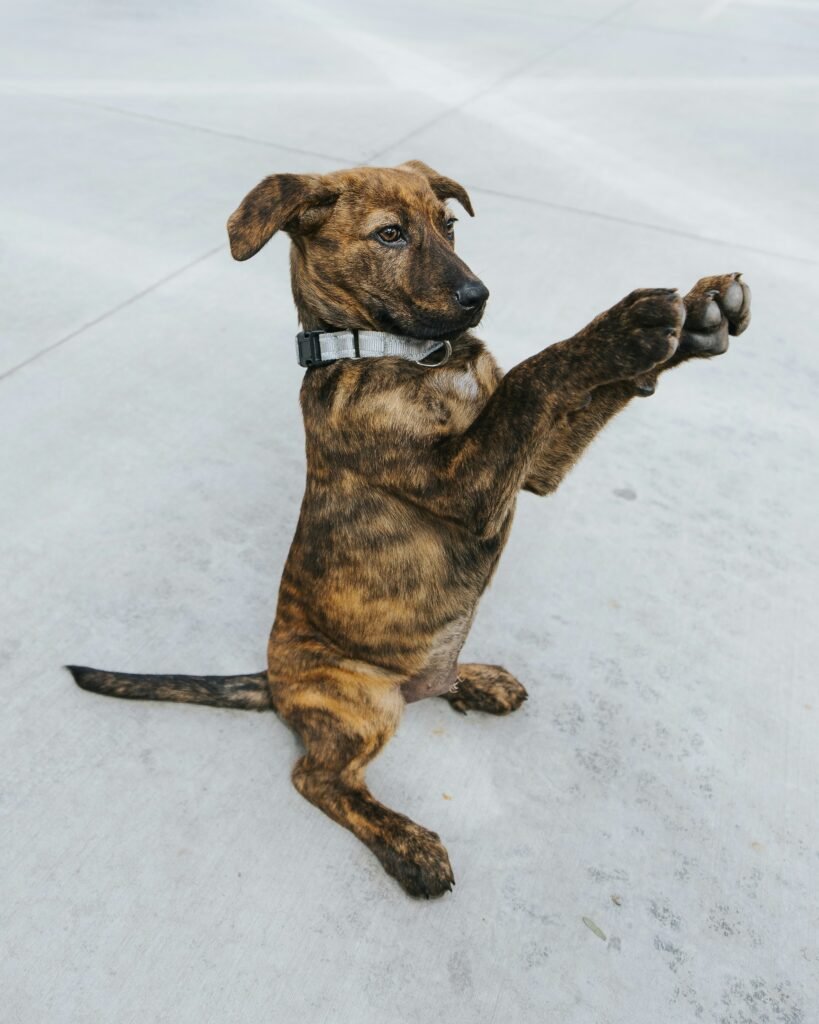
Every day movement, along with time spent together, might ease constant licking. A steady pattern of activity plus companionship often lessens repeated chewing on paws. Sticking to a schedule filled with motion and attention tends to lower ongoing nibbling. Routine walks paired with play frequently cut down persistent grooming. Daily structure involving effort and contact generally reduces endless lapping.
When Paw Licking Occurs
Understanding the context of the behavior can help answer the question why does my dog lick his paws more clearly. Take timing into account – some dogs start right after coming inside from a walk, others during calm moments on the floor at home.
Licking more after outdoor time could point to something in the surroundings bothering the skin. When it shows up while resting or left by itself, maybe the mind’s not occupied enough.
Start by noting the times a pattern shows up – it might hint at what’s really going on. Sometimes, frequency matters more than the act itself. Look closely during shifts in routine; that’s where answers hide. Moments after meals could tell one story, while late-night instances suggest another. Notice repetition, yet stay open to surprises. What seems random today may trace back to something yesterday. Pay attention without rushing – details build clarity.
Conclusion
The question why does my dog lick his paws can have several possible answers, ranging from normal grooming behavior to signs of irritation, allergies, or emotional stress. While dogs often groom themselves this way, repeated or focused attention suggests an underlying issue. Something like itchiness, anxiety, or a reaction to irritants may drive the habit. Watch closely when the behavior becomes constant rather than occasional.
When a dog licks its paws, the reason might be dust, lack of moisture in the skin, tiny wounds, bugs living on fur, restlessness, or nervous feelings. Watching how the animal acts while looking closely at its feet helps many pet keepers notice possible causes behind the habit.
Noticing these signs means your dog is feeling good. When you give steady exercise, watch your surroundings closely, a lot of excessive licking stops before it starts.