
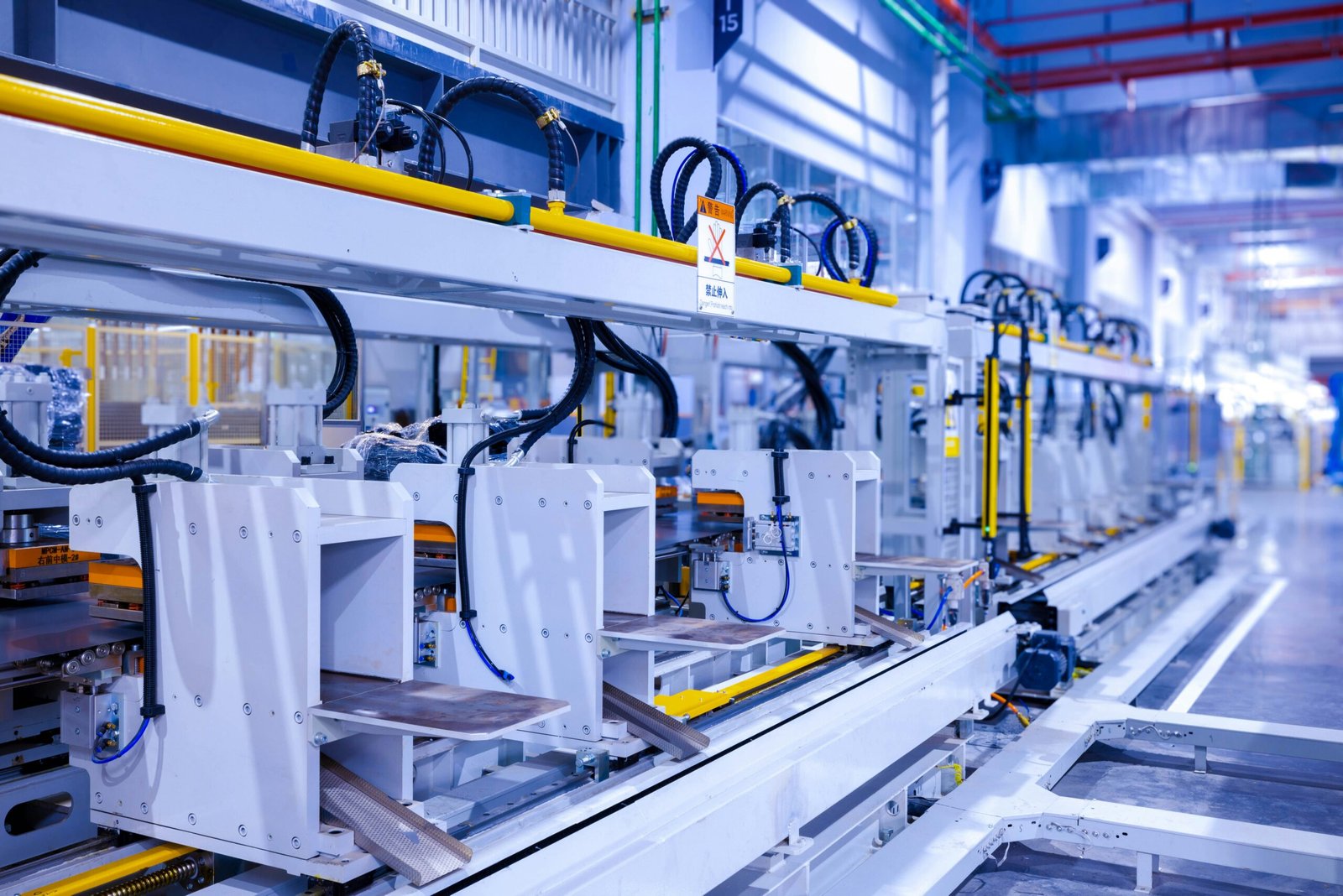
Right now, factories everywhere are going digital, making machines do more work automatically to get better results faster. Even though big companies have used robots and systems like this for years just to keep up with how much they make, smaller places are starting to look closely too. Still, plenty wonder if it really makes sense financially when you run a midsize shop instead of a giant plant. Looking into what happens when these smaller businesses try automation shows both good sides and tough spots along the way. Some find costs drop after a while, others struggle fitting new tech into old ways. Machines can repeat tasks without mistakes, yet setting them up might take time few expected. Each situation changes based on team size, budget shape, and kind of product built. Old tools sometimes block progress simply because swapping them feels risky at first glance. Training matters – people need clear steps, not guesswork, when learning alongside equipment upgrades. One workshop may gain speed overnight, another sees only delays during early phases. Long-term savings often show up later than hoped, hiding behind upfront prices that scare some off. Yet, once things settle, output levels tend to climb slowly but steady. The real choice comes down to weighing patience against future gains, nothing more.
Machine Automation on Small Production Lines
One of the primary advantages of machine automation is its ability to enhance operational efficiency. Most times, machines handle routine jobs faster than people ever could. Precision sticks around when software runs the show, day after day. Fewer slips happen once humans step back from monotonous work. Output climbs even if the team stays lean. Smaller factories gain ground just by shifting some effort to robotics. Workflows stretch further when automated tools take part. Quality holds steady because systems follow exact patterns. Less handwork becomes possible without losing control. Growth feels smoother when tech carries a heavier load. Mistakes fade where code replaces guesswork.
Savings add up after a while. Even if setting up machines feels expensive at first, less need for workers, fewer mistakes, and smoother workflows balance things out for smaller businesses. These systems keep an eye on how things run, adjusting on the fly so power and supplies aren’t wasted. Costs go down because of this. The planet benefits too when factories use resources more carefully.
Flexibility shows up in how machines handle different jobs. When setups change, today’s automated gear adjusts without missing a beat. Small or mid-size runs benefit most – think custom work or shifting batch sizes. Switching tasks happens fast, with little delay piling up. What slips through the cracks? Long waits between operations. Precision stays high even when routines shift daily. Markets move quick; these tools keep pace without extra effort. Changeovers happen on their own, freeing people for other duties.
Challenges and Considerations
Even with clear advantages, fitting machine automation into small production setups brings hurdles. Buying and setting up automated gear often means high initial spending, making smaller firms pause over payback time. Running these systems also demands skilled handling – knowledge that does not always exist in house. Staff training or bringing in experts becomes necessary, adding pressure to budgets right away.
When fitting into current workflows, challenges often show up. Older machines on smaller production floors might not link well with today’s automated tools. Where that happens, firms usually look at modifying or replacing gear – costs tend to rise here. Getting through change means thinking ahead, so work keeps moving even as robots take over tasks.
Automation Improves Quality and Consistency
What makes machines stand out for small production setups? They keep quality steady by doing each job the exact same way every time. Not a single piece drifts far from the standard when automated tools take over. Small firms depend on trust – customers expect reliability, nothing less. When human error fades from the process, results stay predictable. That kind of control lets local workshops challenge bigger factories without stretching too thin. Consistency becomes their quiet advantage.
Even basic machines might offer useful clues when fine-tuning workflows. Information flows in through sensors tracking how equipment behaves during different stages of work. When examined closely, these details often reveal hidden hiccups that slow things down. Over weeks, small fixes based on real observations add up – less waiting, smoother runs. Tiny factories gain just as much as big ones by paying attention to what numbers quietly suggest.
Cost-Effectiveness and Scalability
Money matters, yet machines that work on their own might save cash for small firms when used smartly. Instead of changing everything fast, tiny factories could begin by using robots just where people slow things down. That way, companies see gains step by step while skipping huge early bills. When orders rise, more robot help can join in – making room to stretch later without starting over. Growth finds space because the system grows too.
One reason it stands out? It grows when needed. When more lines get added, machines keep pace without missing steps – helping midsize and smaller companies stay in the race. Instead of going all in at once, gradual upgrades let these firms stretch every dollar while running smoother. That balance turns high-tech tools into something within reach, not just for giants but for compact setups too.
Conclusion
Most times, machines fit well on modest assembly paths if handled with thought. Efficiency climbs, outcomes stay steady, workers cost less over time – also adapting shifts smoothly. True, buying ahead feels heavy, knowing how things work matters, linking old tools takes effort. Yet smart steps, piece by piece moves ease each hurdle without rush.
One step at a time, small firms find their footing by automating tasks that matter most. Growing slowly, machines adapt as workloads shift and needs evolve. Instead of rushing in, many begin narrow, then widen scope once results show. With each upgrade, output climbs while errors drop off. Machines keep pace not just today but years ahead. Precision stays steady even when demand surges unexpectedly. Focusing on real gains, companies build strength without overextending. Change comes quietly – no fanfare – just smoother days and tighter control. Long runs favor those who prepare early with smart tools. In shifting markets, stability emerges where consistency is built.