
Tracy Arm Fjord Safety Concerns: 11 Critical Facts Every Visitor Should Know Before You Go
Tracy Arm Fjord Safety Concerns: What Every Traveler Should Know Before Visiting
When you see Tracy Arm Fjord for the first time, it seems so unbelievable. Huge granite cliffs stretch up thousands of feet above a green sea, waterfalls pour out of hanging valleys, and bright blue icebergs bob gently out into the ocean. Tracy Arm is one of the most photographed spots in the state and draws tour boats, photographers, and lovers of nature in the thousands during the cruise season. Despite its breathtaking beauty, many visitors also research Tracy Arm Fjord safety concerns before their trip, as changing weather, floating ice, cold water, and wildlife encounters require visitors to stay informed and follow safety guidelines.
However, the forces behind the magnificence of this fjord also constitute real danger. The immense, continually moving glaciers, the floating ice that can detach without any indication, the fast-changing climate, and the imposing wild animal deserve respect and space.These realities naturally lead many travelers to search for Tracy Arm Fjord safety concerns before booking a cruise or planning an excursion.
Fortunately, Tracy Arm Fjord has a strong safety record for visitors because commercial operators, cruise lines, and experienced guides follow well-established procedures. Understanding Tracy Arm Fjord safety concerns doesn’t mean avoiding the destination—it simply helps travelers recognize natural hazards such as floating ice, unpredictable weather, and cold-water conditions while appreciating why certain safety rules exist. Adhering to guidance from experienced guides visitors will be comfortable to relax and soak up the destination and ensure they are sure to have a wonderful trip .
This article explores Tracy Arm Fjord safety concerns by explaining the primary risks visitors may encounter, how cruise lines and tour operators manage potential hazards, what travelers should realistically expect during their visit, and the practical precautions that allow thousands of people to experience this remarkable Alaskan wilderness safely each year.
Understanding Tracy Arm Fjord
Just over 45 miles south of Juneau in Southeast Alaska is the entrance to Tracy Arm Fjord, which is part of the largest protected wilderness in the U.S., Tracy Arm-Fords Terror Wilderness. Stretching more than 30 miles with high walls of sheer granite formed by the ancient glaciers, it comes to a dramatic finale at its northern end with towering Sawyer Glaciers, including the famous South Sawyer Glacier, where it’s common to see large chunks of ice break away in a process known as calving.. As it’s undeveloped by commercial facilities and without the road access, people arrive at Tracy Arm as guests in one of the most remote places in Alaska; conditions are left entirely to nature.
Why Safety Is an Important Topic in Tracy Arm Fjord
Many travelers assume that because cruise ships regularly visit Tracy Arm, the journey carries little risk.
In reality, every visit depends on careful planning.
Captains continually evaluate:
- Weather forecasts
- Water visibility
- Ice conditions
- Tidal movement
- Glacier activity
- Vessel maneuverability
If the conditions turn foul, your ship could shorten it’s route, change course, or simply not enter it at all. That could be frustrating for passengers wanting a great vantage of glaciers, butsafety supersedes scenery. Knowing this explains why so many itineraries have a Built In buffer day.
The Biggest Tracy Arm Fjord Safety Concerns
Several natural factors require constant attention throughout the fjord.
Floating Ice and Icebergs
Floating glacial ice One obvious potential hazard is the free-floating icebergs in the water. These pieces of ice naturally calve off adjacent glaciers and travel around the fjord. You’ll see a good number of these icebergs on the surface but often the main bulk of an iceberg is below the surface.
This presents several challenges.
Icebergs can:
- Damage smaller boats
- Restrict navigation
- Shift unexpectedly with currents
- Block narrow waterways
The speed of the cruise ships drops significantly at ice, giving bridge personnel more time to recognize and maneuver safely clear of ice floes. Smaller vessels carrying passengers for short excursions are guided by local captains who are continuously keeping their eyes on daily ice movements in the area.
Glacier Calving
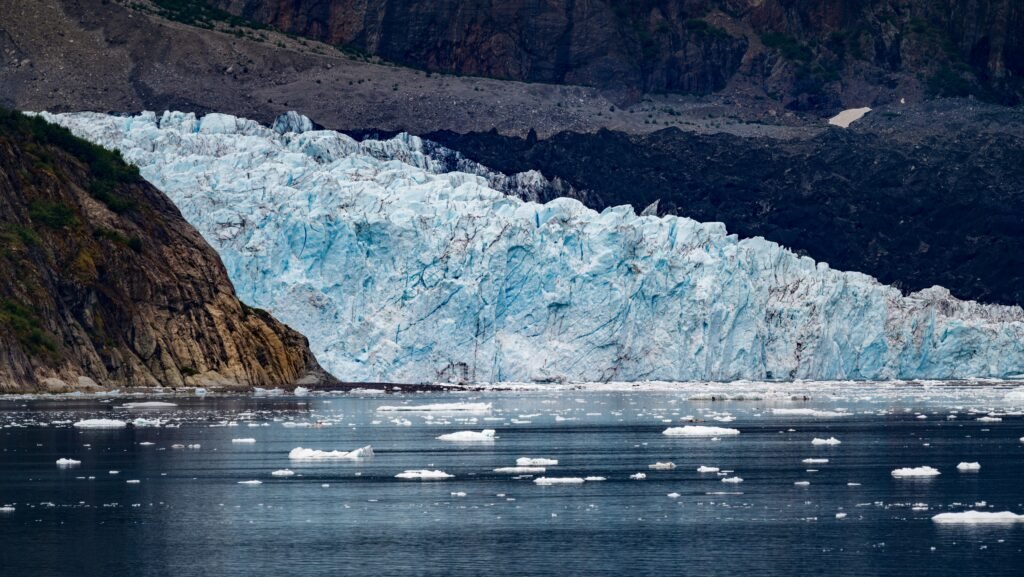
Few natural events are as spectacular as glacier calving.
Large blocks of ice periodically break away from the face of South Sawyer or North Sawyer Glacier before crashing into the water below.
Although mesmerizing to watch, calving also creates one of the area’s most important safety concerns.
A large calving event can generate:
- Powerful waves
- Flying chunks of ice
- Sudden water movement
- Rapidly changing ice conditions
This is why ships that do business stay well back from active icefalls. While you might long to be closer than regulations allow, these buffers have important purposes! When you see a calving event on a professional tour boat that operates with an awareness of navigational safety you have the best chance for safe and unforgettable experience.
Rapidly Changing Weather
Southeast Alaska is known for highly variable weather.
A calm morning can quickly become:
- Foggy
- Rainy
- Windy
- Cold
These changes affect both visibility and navigation.
Strong winds may also increase wave activity or move floating ice into previously clear channels.
Because weather can change within minutes, captains continuously monitor marine forecasts and local conditions rather than relying solely on earlier predictions.
Wildlife Safety in Tracy Arm Fjord
Wildlife encounters are one of the highlights of any visit.
Depending on the season, travelers may see:
- Harbor seals
- Humpback whales
- Bald eagles
- Mountain goats
- Black bears
- Brown bears
- Sea lions
- Porpoises
Such encounters will create indelible memories-so long as you’re not interfering in a way that poses risks for the creatures. Please do not feed wild animals; don’t surprise, chase or engage them. Tour companies are operating with wildlife viewing guidelines, which are aimed to lessen stress to wildlife and increase the safety of visitors.
Harbor Seals and Glacier Ice
Harbor seal the highlight of the Tracy Arm One of the best known inhabitants of the Tracy Arm wilderness area is the harbor seal. Every spring and summer hundreds of mothers can be seen pupping on small, icebergs drifting in close proximity to the South Sawyer Glacier. The ice floes offer a bit of refuge for the pups to rest without the concern of predators.
As pups are vulnerable for short periods they have protected observation from boat activity.
We generally keep a good distance from marine wildlife as a general rule to protect our natural environment.
Are Cruise Ships Safe in Tracy Arm Fjord?
For most travelers, the answer is yes.
Modern cruise ships visiting Tracy Arm are operated by experienced bridge teams trained for Alaska’s challenging waterways.
Navigation typically includes:
- Advanced radar systems
- GPS positioning
- Electronic navigation charts
- Constant visual observation
- Local navigational expertise
- Continuous communication with marine authorities
During extreme weather, vessels will make an extra effort to progress with the expedition, slowly but cautiously, turning back before the glacier when conditions get “a bit close”. You, the passenger, might feel an initial pinch of disappointment at this deviation. It is actually reassuring evidence of the industry’s due diligence rather than the signs of an unusual hazard. Fortunately, it does allow travelers the pleasure of visiting Alaska’s breathtaking, and often intimidatingly majestic, landscapes while protected by several redundant layers of professional risk mitigation efforts.
Is Kayaking in Tracy Arm Fjord Safe?
A visit to Tracy Arm Fjord could also involve a kayak – arguably the most up close and personal of adventures out there. Being alone in a kayak amid the water and drifting ice in the shadows of these steep cliff faces will provide you an insight few will witness, a luxury large vessels cannot replicate. What kayaking also guarantees you is a full embrace of the raw elements of this special location.
Kayakers are so close to cold water, ice floes, sea birds, marine life and volatile weather conditions – perhaps more closely than anyone.
Kayaking out to Tracy Arm isn’t inherently risky – it’s an expedition where the appropriate precautions and precautions come into play. Those going out on a tour guided by local professionals should feel reassured: experienced outfitters carefully evaluate conditions and aren’t shy about cancelling or rerouting an excursion when high seas, unpredictable ice conditions, or threatening weather present a risk.
Cold Water Is the Biggest Risk
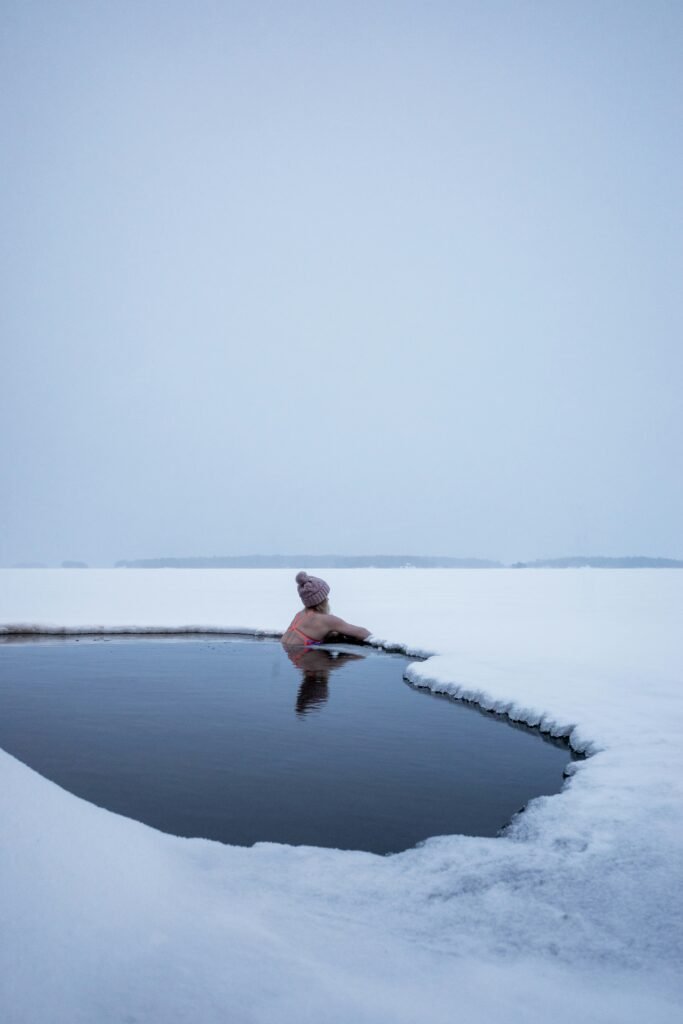
Even during summer, water temperatures in Tracy Arm Fjord remain extremely cold because of constant glacier melt.
An unexpected capsize can quickly lead to:
- Cold-water shock
- Reduced muscle control
- Difficulty swimming
- Hypothermia
This is why reputable kayaking companies require appropriate safety equipment, including personal flotation devices (PFDs), and provide detailed safety briefings before every excursion.
Understanding Iceberg Hazards
One of the most misunderstood Tracy Arm Fjord safety concerns involves floating ice.
Icebergs are constantly changing.
A piece of ice that appears stable may:
- Roll unexpectedly
- Split into smaller sections
- Drift with underwater currents
- Break apart after melting
Even smaller pieces of ice could tip at any moment. Guides tell visitors not to touch floating ice since you can’t tell how the portion underwater is moving. Big icebergs are typically deeper beneath the water line than you can guess from watching them from above.
Why Cruise Itineraries Sometimes Change
Some travelers are surprised when their ship turns around before reaching South Sawyer Glacier or skips Tracy Arm altogether.
This is usually a safety decision—not an operational problem.
Captains evaluate several factors throughout the voyage, including:
Ice Density
Heavy concentrations of floating ice can limit safe navigation, especially later in the season when larger icebergs occupy narrow channels.
Weather Conditions
Dense fog, strong winds, heavy rain, or reduced visibility may make continuing into the fjord unsafe.
Glacier Activity
Periods of increased calving can temporarily increase floating ice near the glacier face, requiring vessels to remain farther away.
Tidal Conditions
Tides have a great impact on the amount of water under a boat, strength of the water current as well as position of the iceberg in question. In case you were expecting another visit of the same nature that is probably unlikely to be the case and could leave disappointed, however, it is a part of taking precautions so it definitely can be justified due to safety purposes and as they say, time and tide will wait for no man.
Common Mistakes Visitors Should Avoid
Many safety problems are not caused because the Tracy Arm is a wild and dangerous place, but because visitors fail to appreciate the wilderness experience. Some typical examples are:
Dressing for Mild Weather
Even on sunny days, temperatures near glaciers can feel much colder than expected due to wind and glacial air.
Layered clothing, waterproof outerwear, gloves, and warm footwear make the experience far more comfortable.
Ignoring Safety Briefings
Whether traveling by cruise ship, sightseeing boat, or kayak, operators provide instructions based on current conditions.
Listening carefully to these briefings helps visitors understand local hazards and emergency procedures.
Trying to Get Too Close to Wildlife
Photography trips can provide great viewing opportunities but sneaking around, up close to a whale, a bear, or a herd of mountain goats can upset the animal and be dangerous. You have just as great a chance to get a good image by bringing along binoculars. Or simply use the zoom feature on your camera.
Standing Too Close to Ship Railings During Maneuvers
When vessels change direction or navigate around floating ice, passengers should remain aware of crew instructions and avoid leaning over railings.
How Tour Operators Reduce Risk
Commercial operators visiting Tracy Arm Fjord follow extensive safety practices developed through years of operating in Alaska’s coastal waters.
These measures commonly include:
- Continuous weather monitoring
- Ice condition assessments
- Trained bridge officers
- Emergency response equipment
- Regular communication with other vessels
- Experienced local captains familiar with glacier navigation
Also operators often take into account how much experience their participants have before they go out on a tour and may adjust routes based on weather. The point being that operators use layered systems of precaution not just one.
Safety Tips for First-Time Visitors
If Tracy Arm Fjord is part of your Alaska itinerary, exploring additional travel planning and safety guides can help you prepare for changing conditions and enjoy a smoother outdoor adventure.
Dress in Layers
Weather changes quickly. Moisture-wicking base layers, insulating mid-layers, and waterproof outer clothing help you stay comfortable throughout the day, especially when you understand how to dress for cold weather travel.
Wear Non-Slip Footwear
Boat decks can become wet from rain or sea spray. Shoes with good traction reduce the risk of slipping.
Keep Cameras Secure
Strong winds and sudden vessel movements can make it easy to drop cameras or phones. Wrist straps and waterproof cases provide extra protection.
Follow Crew Instructions
Captains and guides understand the day’s conditions better than anyone. Their recommendations are based on real-time observations rather than routine procedures.
Respect Nature

Avoid disturbing wildlife, stay within designated viewing areas, and never attempt to climb on floating ice or leave approved excursion routes while following recommended wildlife viewing safety tips.
Is Tracy Arm Fjord Safe for Families?
Yes. Families with children visit Tracy Arm Fjord every year through cruise excursions and guided sightseeing tours.
The experience is generally suitable for all ages because most visitors remain aboard professionally operated vessels designed for Alaska’s marine environment.
Parents can improve safety by:
- Supervising young children on open decks.
- Ensuring children wear appropriate warm clothing.
- Following crew guidance during wildlife viewing.
- Keeping children away from railings unless accompanied.
With proper supervision, Tracy Arm offers an educational opportunity for children to experience glaciers, marine wildlife, and one of North America’s most remarkable wilderness landscapes.
When Is the Safest Time to Visit Tracy Arm Fjord?
Summer and Early Fall: This is the principal season when cruise ships and tour outfits ply the fjord daily. However, conditions change even during the height of the visitor season. The ice can still pack on during a visit early in the season.
Clear sailing, by contrast, often comes late in the summer.
For one visiting this glaciated wilderness, a better approach to planning a visit than selecting a “best” month is realizing that flexibility should rule because ice tides and weather conditions always play a role in your glacial experience.
Conclusion
Understanding Tracy Arm Fjord safety concerns helps visitors appreciate the remarkable balance between adventure and responsible travel.Yet despite the grandeur of towering glaciers, drifting icebergs, lush greenery and vast wilderness, Tracy Arm is a trip that requires a certain amount of preparation and an attitude of respect towards an often-unpredictable environment.
Thankfully, it is perfectly safe for travelers – since tour operators, cruising lines and kayaking expeditions plan ahead rigorously, are constantly observing ice and weather conditions and change itineraries whenever appropriate to keep their customers safe while letting them witness one of Alaska’s natural wonders firsthand every year. All visitors need to keep the following: dress for changeable weather; take directions from their captain or guide; respect distance of glaciers and wildlife and be willing to compromise if the itinerary needs adjustment.
Don’t see itinerary changes as inconveniences, but proof that safety protocols are being followed and that the utmost care is taken not to risk visitor safety or damage sensitive environs.
So relax- as long as you’ve respected distance, listened to your captain and can be somewhat flexible with nature, you’ll enjoy Tracy Arm Fjord like all of the thousands of others who visit every year without any trouble. Remember, there’s nothing to fear in nature and you’re part of nature; the best protection for both you, and for Alaska’s magnificent Tracy Arm Fjord, can simply be a natural spirit of respect.
Frequently Asked Questions
1. Is Tracy Arm Fjord safe to visit?
Yes, Tracy Arm Fjord is relatively safe, especially on conducted tour boats or ships of well-regarded cruise operators. Experienced captains and tour providers check weather, tides, glacier ice and drifting bergs as much as possible, minimizing the hazards involved.
2. Why do cruise ships sometimes skip Tracy Arm Fjord?
Cruise ship companies might modify or skip their planned port calls in the event of heavy ice conditions, low visibility, strong wind, challenging tidal conditions or an active glacier. These changes are made with your and our team’s safety in mind.
3. Can glaciers in Tracy Arm Fjord be dangerous?
Yes. The largest icebergs-often referred to as ‘growlers’ and ‘bergy bits’ when much smaller-that break away from glaciers under their own weight are naturally ejected from what’s called active ice. Some of the resulting events are incredibly explosive and can throw icebergs high into the water, sending them far into the open ocean; consequently, ships keep an appropriate distance for observation.
4. Is it safe to kayak in Tracy Arm Fjord?
However, kayakers also learn that it can be done with competent guides as these will monitor for all conditions and ice issues during the time. Kayakers paddling in these circumstances must know how to handle open water skills, survive hypothermia and all emergency equipment will be prepared in advance.
5. Are wildlife encounters dangerous in Tracy Arm Fjord?
Wildlife is rarely dangerous and it should be regarded as such. Humans can, and will be hurt if they encounter the wild life and as the wildlife they usually visit such as harbor seals, whales, or bears. Therefore it’s always prudent to remain at a safe distance and ensure your pets remain at home for their safety (unless they’ve been specifically trained to deal with wildlife).
6. What should I pack for a safe trip to Tracy Arm Fjord?
You would be packing many layer clothes, the rain proof jacket, some gloves to keep you warm, non slipping shoes,Sun screen as the sun can take a toll,Sun Glasses, Binoculars (you would love to keep close watch) as well as a water proof electronic equipments’ case. Even in summers the weather can take up on you without notice.
7. What is the biggest safety concern in Tracy Arm Fjord?
Risks the main hazards include: drifting ice icefall changing quickly very cold water This trip is closely managed but all participants will have to work within the natural environment.