Why This Question Causes So Much Anxiety
If you’ve ever paused before sitting down on a public toilet, that’s not being dramatic; it’s being human. A frequent source of anxiety is the bathroom, especially when it comes to infection. One of the most googled questions is are uti contagious from toilet seats; however and its associated fear is valid.
UTIs are painful, disruptive, and common. When symptoms show up suddenly, people naturally look for something they touched recently. A public toilet often becomes the suspect. But suspicion isn’t the same as science.
This article breaks down the topic in depth, using medical knowledge, real-life context, and clear explanations. No scare tactics. No myths. Just facts you can trust.
Understanding UTIs at a Deeper Level
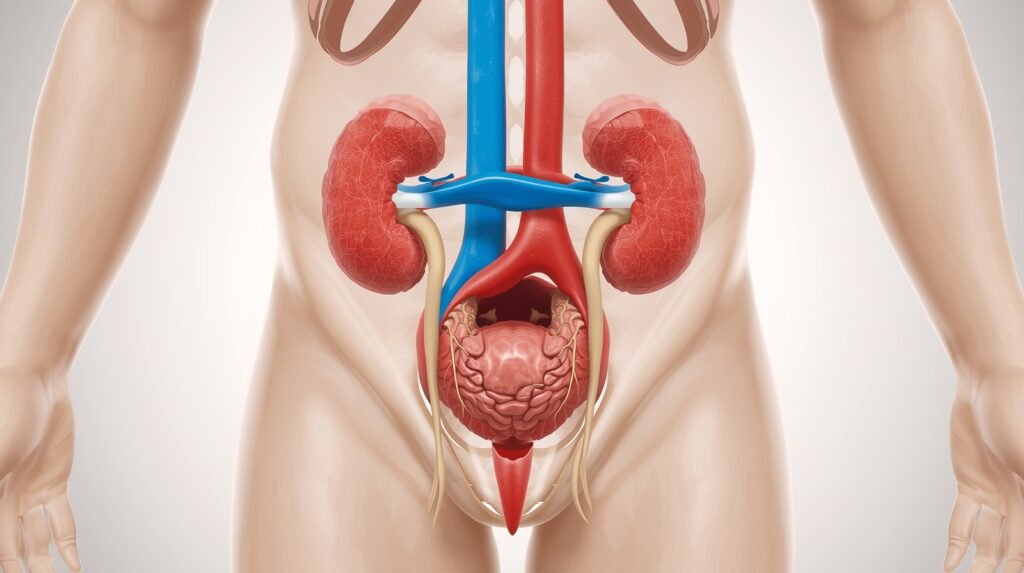
A urinary tract infection is an infection where bacteria enter and multiply anywhere along the urinary system. This includes:
- The urethra
- The bladder
- The ureters
- The kidneys
The majority of UTIs are lower UTIs, that is, those affecting the bladder or urethra. The bacteria in question, most commonly E. coli, usually reside harmlessly in the intestines.
The trouble starts when bacteria travel from the gut to the urethra. This movement is the key to understanding how UTIs happen, and how they don’t.
Are UTI Contagious From Toilet Seats? A Medical Reality Check
Let’s put it straight and scientific: are uti contagious from toilet seats?
The basic medical consensus is as follows: UTIs are not contagious, and toilet seats can’t transmit them.
There has never been credible clinical evidence showing that sitting on a toilet seat causes a urinary tract infection. This conclusion comes from decades of research in microbiology, urology, and infectious disease medicine.
To understand why, we must first look at how bacteria manage outside the body.
How Bacteria Actually Survive (and Die) on Surfaces
Bacteria that can lead to UTIs are not designed to live for very long outside the body on hard, dry surfaces like toilet seats.
Environmental Limitations
UTI-causing bacteria need:
- Moisture
- Warmth
- A nutrient-rich environment

Toilet seats offer none of these. Most are dry, exposed to air, and cleaned frequently. When bacteria land on these surfaces, they begin dying within minutes.
No Direct Entry Point
Even if bacteria were there, they would need a way into the urethra. Simply sitting down does not provide that access. The anatomy doesn’t allow it.
This biological reality alone answers why are uti contagious from toilet seats is a myth, not a medical concern.
The Role of Human Anatomy
Human anatomy is one of the strongest protections against UTIs from surfaces.
- The urethral opening does not touch the toilet seat
- Skin acts as a natural barrier
- Clothing is usually worn immediately after

For bacteria to cause a UTI, they must be introduced directly into the urethra. Passive contact with a surface does not accomplish this.
Why UTIs Feel “Sudden” and Get Blamed on Toilets
UTI symptoms often appear quickly:
- Burning during urination
- Urgent need to pee
- Pelvic discomfort
Symptoms can appear hours or even a day after bacteria enter the urinary tract, so humans “mentally rewind” their recent activities. One trip to a public bathroom seems memorable, even though the true culprit often transpired hours ago.
This timing gap fuels the belief behind are uti contagious from toilet seats, even though the connection isn’t real.
The Real Causes of UTIs (What Actually Matters)
Improper Wiping
Wiping from back to front can provide an opportunity for bacteria to travel toward the urethra. This is one of the most documented UTI causes.
Holding Urine
The urine washes bacteria out of the bladder. Allowing it to stand multiplies the bacteria.
Inadequate Hydration
Low fluid intake leads to reduced urination and less bacterial flushing.
Sexual Activity
Physical movement can transfer bacteria toward the urethra, especially without post-activity urination.
Hormonal Changes
Pregnancy and menopause can alter urinary tract defenses.
Not a single one includes toilet seats.

Real-Life Example That Justifies the Myth
One college student boycotted campus bathrooms entirely because she was sure using them would give her a UTI. She regularly held her urine for hours. Eventually, she developed recurring infections.
Her doctor explained that avoiding bathrooms not using them, was the real issue. Once she stopped holding urine and stayed hydrated, the UTIs stopped, even though she used public toilets daily.
Stories like this highlight how misunderstandings are uti contagious from toilet seats can actually increase risk.
Public Restrooms: Risk vs Reality
Public restrooms may look intimidating, but they are not UTI hotspots.
Ironically, avoiding public toilets can:
- Increase urine retention
- Concentrate bacteria
- Raise UTI risk
From a medical standpoint, using a clean public toilet is safer than holding urine for long periods.
Can UTIs Spread From Person to Person?
UTIs themselves are not contagious. You cannot catch one from:
- Sitting near someone
- Sharing a toilet
- Touching the same surfaces
This does not mean bacteria can’t be transmitted through unsanitary practices. That’s not contagion, it’s bacterial transfer.
This distinction is important when revisiting are uti contagious from toilet seats and addressing similar myths about infections from toilet seats. Contagious diseases spread easily between people. UTIs do not.
Special Populations and Risk Factors
Some people are more prone to UTIs:
- Women (shorter urethra)
- Older adults
- Pregnant individuals
- People with diabetes
- Those using urinary catheters
Even in these groups, toilet seats are not considered a risk factor by medical professionals.
Hygiene Habits That Actually Help
Forget about surfaces and concentrate on habits known to prevent UTIs:
- Drink water consistently
- Urinate when needed
- Wipe front to back
- Wear breathable underwear
- Urinate after sexual activity
These habits solve actual problems, not imaginary ones and can include simple steps like cranberry juice and UTI prevention.
Emotional Fallout of the Toilet Seat Fallacy
Fear-based hygiene can backfire. Constant anxiety about bathrooms may lead to:
- Chronic urine holding
- Dehydration
- Increased infection risk
Knowing the truth about are uti contagious from toilet seats helps us to replace that fear with a healthy attitude.
When to Seek Medical Care
You need to see a doctor if:
- Painful urination
- Frequent urge to urinate
- Blood in urine
- Fever or back pain
An early intervention is necessary to avoid complications and to treat infections with a high clearance rate.
Final Medical Summary
Anatomy, microbiology, clinical studies, and real-world evidence have all been examined; the conclusion is clear.
Are uti contagious from toilet seats?
No. They are not infectious, and toilet seats do not transmit them.
UTIs arise from bacteria entering the urinary tract, all a product of specific behavior and biology, not because you sat on a toilet.
Closing Thoughts
Knowing the ins and outs of UTIs can give you the power to make healthy decisions without undue fear. So the next time that you wonder, are uti contagious from toilet seats? Remember this: science has your back, not paranoia.
Use the restroom when you need to, stay hydrated, practice basic hygiene, and move on with confidence. Knowledge, not avoidance, is the healthiest choice.