
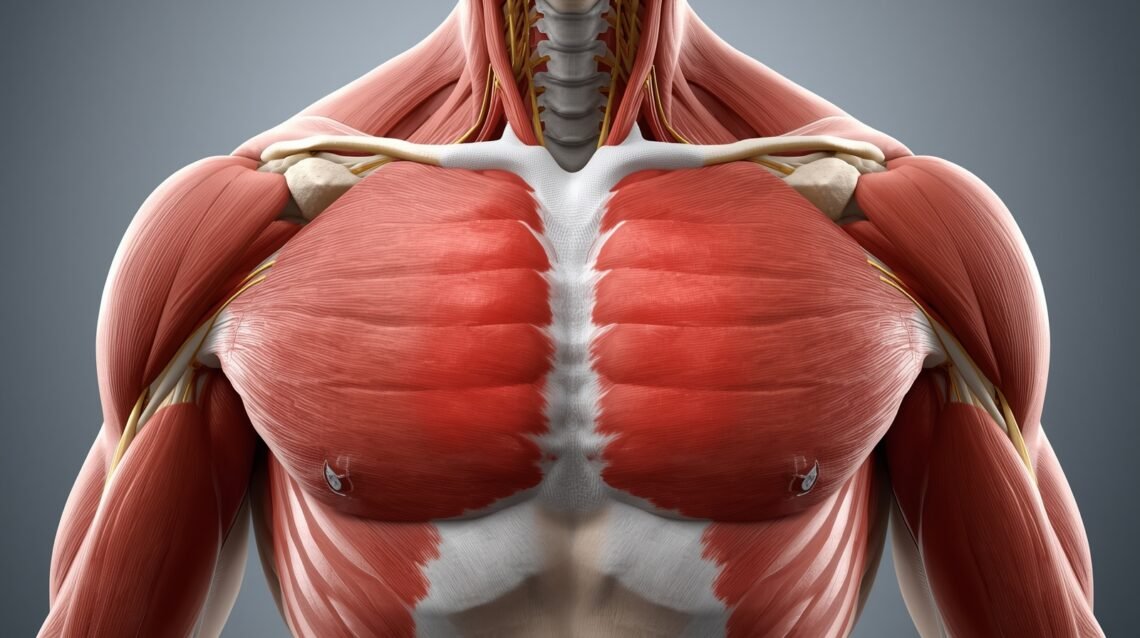
Chest wall pain ICD 10 refers to the diagnosis codes that are used to report or code for the discomfort that comes from the structures of the chest walls as opposed to being clustered in the heart, lungs, or internal organs. This includes pain originating from musculature, costal cartilage, rib joints, and the external aspect of the ribs. In the world of clinical medicine and medical coding, chest wall pain is a symptom (not a disease), and so it must be coded to the greatest degree of specificity documented in the record.
The need for correct ICD-10 coding of chest wall pain is paramount. Chest pain is a risk-intensive finding with life-threatening diagnosis, and the documentation and assignment of code should be distinct among musculoskeletal chest wall pain as opposed to cardiac, pulmonary, gastrointestinal,l or neurologic etiologies. Even the slightest lack of documentation can lead to selecting wrong code, denied claims, and the possibility of a dreaded audit.
What Chest Wall Pain Means in Clinical and Coding Terms
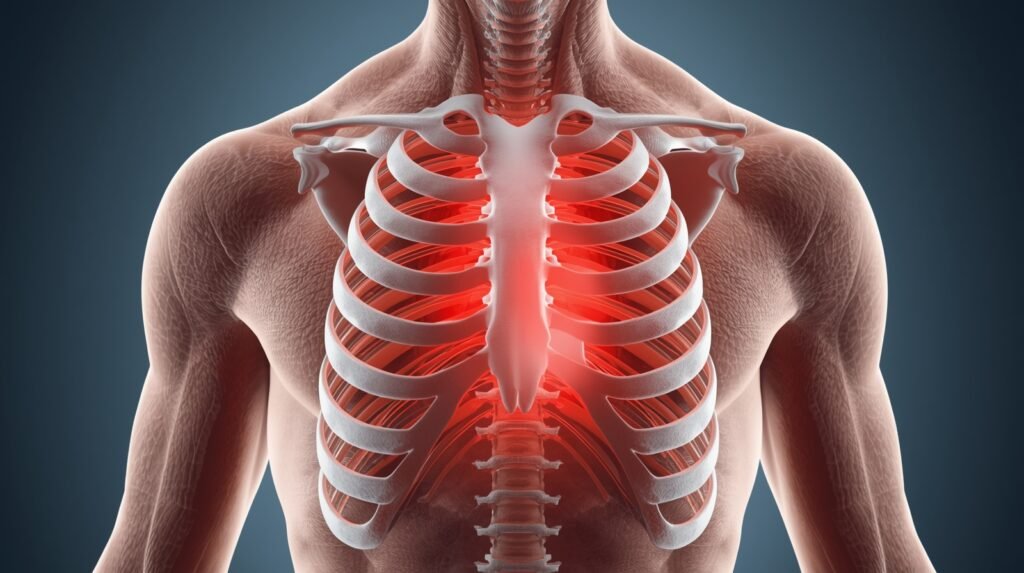
Chest wall pain is defined as that arising from the outer structures of the thorax, such as:
- Skeletal muscles of the chest
- Ribs and rib joints
- Costochondral and sternocostal cartilage
- Fascia and connective tissues
- Intercostal nerves
Clinically, chest wall pain is often described as:
- Localized rather than diffuse
- Reproducible with palpation
- Worsened by movement, posture, or muscle use
- Sharp, aching, or stabbing in nature
Coding-wise, these are very different entities that must be separated before we can jump into a musculoskeletal code. ICD-10 coding guidelines specify symptom codes to represent what has been documented at the time of the visit. Coders and clinicians should consult a comprehensive chest wall pain overview to better understand symptoms and causes when correlating clinical findings with Chest wall pain ICD 10 coding.
The Position of Chest Wall Pain in the ICD-10 Framework
ICD-10 organizes symptoms by body system and presentation. Chest wall pain is coded within:
- Chapter 18: Symptoms, signs, and abnormal clinical findings
- Category R07: Pain in throat and chest
The ICD-10 system does not provide a single code titled “chest wall pain.” Instead, coders must select the most appropriate R07 code based on clinical description and exclusions.
Knowing this format is important because ICD-10 codes are descriptive, not interpretive. Coders can never guess at the reason for chest pain – they must simply go by written documentation.
Primary ICD-10 Codes Used for Chest Wall Pain
R07.89 — Other Chest Pain
R07. 89 is the primary ICD-10 code to designate chest wall pain of musculoskeletal origin, and where documentation confirms lack of cardiac involvement.
This code applies when chest pain:
- Is localized to the chest wall
- Is reproducible with palpation or movement
- Is not pleuritic
- Is not cardiac or ischemic
- Is not otherwise specified under a more precise code
R07.89 includes descriptions such as:
- Anterior chest wall pain
- Musculoskeletal chest pain
- Non-cardiac chest pain (when supported by documentation)
This code is billable and valid for reimbursement when supported by adequate documentation.
R07.82 — Intercostal Pain
R07. 82 is appropriate for documentation that describes pain, or other symptoms (such as paresthesia), that include the intercostal spaces or the intercostal nerves.
This code is appropriate when pain:
- Follows the path between ribs
- Is localized to the intercostal spaces
- May have a nerve-related pattern
- In the setting of muscle strain, coughing, or posture
Intercostal pain is a form of chest wall pain, and documentation should specifically indicate that the intercostals are involved.
R07.1 — Chest Pain on Breathing
R07.1 when chest pain is predominantly pleuritic (i.e., it intensifies with breathing, coughing, or respiratory movement).
This code does not, in general, capture chest wall pain if there is a explicit documentation of respiratory-related PAIN being MSK-related and not pleural inflammation.
This is a warning to coders so that at least R07.1 for non-cardiac chest wall pain, unless there is clear documentation of a respiratory-dependent pain.
R07.9 — Chest Pain, Unspecified
R07.9, Not Otherwise Specified (NOS), is only used when there are gaps in the documentation preventing a more detailed code.
This code should be avoided whenever possible because it:
- Reduces data quality
- Increases audit risk
- May affect reimbursement
- Indicates incomplete documentation
R07.9 is appropriate only when the provider does not document pain location, quality, triggers, or exam findings.
Why Chest Wall Pain Requires Careful Coding
Chest pain is considered a high-risk presenting symptom. Because of this, auditors and payers expect clear documentation demonstrating that serious causes were considered and evaluated.
For chest wall pain, ICD 10 coding to be defensible, the medical record should reflect:
- A focused history
- A relevant physical examination
- Clinical reasoning
- Exclusion of cardiac causes when appropriate
Without this, assigning a non-cardiac chest pain code may be challenged. Accurate ICD-10 coding of chest wall pain also involves understanding structural abnormalities, such as female chest wall tumors, which may influence clinical assessment and documentation.
Key Documentation Elements That Support Chest Wall Pain Coding
1. Precise Anatomic Location
Documentation should specify the exact area of pain, such as:
- Left anterior chest wall
- Right lateral chest wall
- Parasternal region
- Intercostal space
Vague terms like “chest pain” are insufficient to support chest wall pain ICD 10 coding.
2. Pain Characteristics
The provider should describe:
- Quality (sharp, dull, aching)
- Intensity
- Duration
- Onset
- Aggravating and relieving factors
May be exacerbated by movement (lifting, twisting, posture).
3. Reproducibility on Physical Exam
Reproducible pain on palpation is one of the strongest indicators of chest wall pain. This finding should be clearly documented in the physical examination section.
4. Exclusion of Cardiac Etiology
Not all patients would require large numbers of cardiac tests, but the rationale for cardiac disease should be recorded and clinically excluded where justified.
Examples include:
- Normal ECG
- Normal cardiac enzymes
- Lack of cardiac risk features
- Clinical judgment based on presentation

This supports the use of R07.89 rather than other or cardiac-related codes.
Common Coding Errors With Chest Wall Pain
Error 1: Coding Chest Wall Pain Without Supporting Exam Findings
Assigning R07. 89 No palpation, movement-related pain, or musculoskeletal findings. Documentation without examination: The presence of 1 or more of the above group 8 code items are common reason for audit.
Error 2: Using Unspecified Codes When Detail Exists
If musculoskeletal chest wall pain is documented, R07.9 should not be used.
Error 3: Confusing Pleuritic Pain With Chest Wall Pain
Pain that is relieved only by breathing indicates pleural (and not chest wall) structures involvement. Coding must follow documentation exactly.
Error 4: Ignoring Trauma or Injury Codes
When chest wall pain follows trauma, strain, or injury, symptom codes alone may be insufficient. Injury codes may be required as the primary diagnosis.
Chest Wall Pain Related to Trauma or Strain
When chest wall pain results from:
- Muscle strain
- Blunt trauma
- Overuse injury
- Physical exertion
ICD 10 injury or musculoskeletal codes may also be applicable, and sometimes symptom codes if pain is still the primary issue.
The documentation must specify:
- Mechanism of injury
- Timing
- Affected structures
- Encounter type (initial, subsequent, sequela)
Failure to capture this detail can lead to incomplete coding.
Clinical Scenarios and Correct ICD-10 Code Selection
Scenario 1: Musculoskeletal Chest Wall Pain
Documentation:
These were localized midsternal chest pain reproducible with palpation, increased with arm movement, and were not associated with shortness of breath. Cardiac evaluation was normal.
Correct Code:
R07.89
Scenario 2: Intercostal Muscle Pain
Documentation:
Sharp pain between ribs following heavy coughing, tenderness along the intercostal spaces.
Correct Code:
R07.82
Scenario 3: Poorly Documented Chest Pain
Documentation:
Patient reports chest pain for two days. No further details provided.
Correct Code:
R07.9
Compliance and Audit Considerations
Chest pain diagnoses are frequently reviewed in audits. To withstand scrutiny:
- Documentation must support the chosen ICD-10 code
- The most specific code must be used
- Cardiac causes must be reasonably addressed
- Coding must reflect what is known, not assumed
Strong documentation protects both providers and coders.
Why Chest Wall Pain ICD 10 Accuracy Matters
Accurate coding affects:
- Reimbursement
- Clinical data integrity
- Quality reporting
- Risk adjustment
- Patient safety records
Mislabeling may distort clinical data and place practices at compliance risk.
Conclusion
Have the chest wall pain ICD 10 coding done correctly. Clinical documentation and ICD 10 definitions will have to be easily synchronized. The organism code is usually R07 in these circumstances.89 where documentation unequivocally indicates musculoskeletal chest wall and precludes alarming internal causes. More detailed codes, such as R07. 82, if documentation supports its use.
Comprehensive reporting relies on accurate documentation, appropriate clinical judgement, and compliance with ICD-10 coding guidelines. When chest wall pain is correctly documented, the coding is straightforward and compliant.