Sudden heating and cooling breakdowns can disrupt comfort, raise repair costs, and create stress when the weather is at its harshest. Most systems do not fail without warning; they often show small signs first, such as weak airflow, strange sounds, longer run times, uneven temperatures, or rising energy bills. Heating and cooling services help catch these problems before they turn into major failures. Through inspection, cleaning, testing, and timely repair, technicians can keep equipment operating more smoothly. Regular service helps homeowners avoid uncomfortable surprises and protect the system from unnecessary strain.
Prevention Starts Early
- Finding Worn Parts Before They Fail
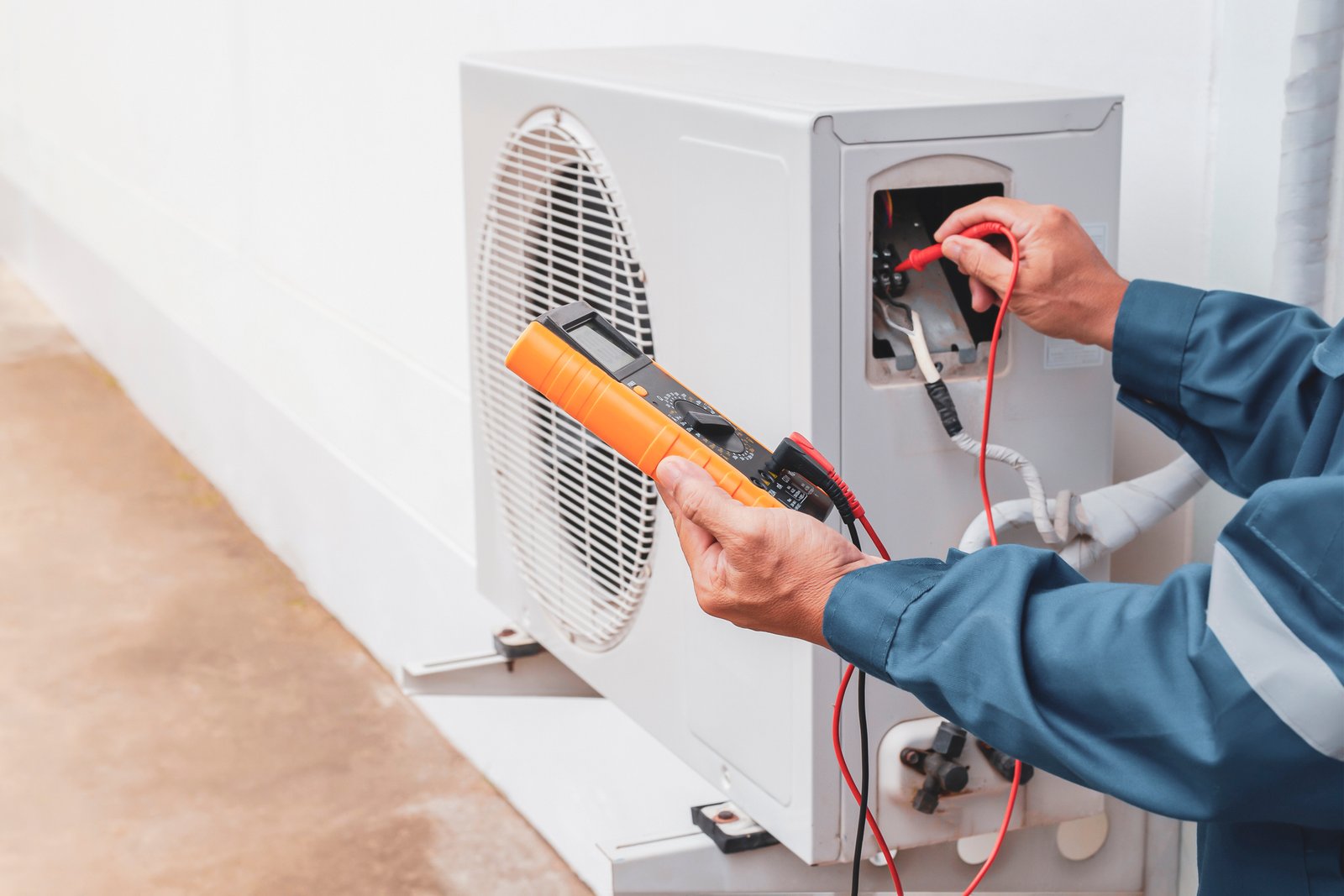
Heating and cooling services help prevent sudden breakdowns by identifying worn parts before they fail. Motors, belts, capacitors, relays, contactors, igniters, bearings, and fan components all wear down over time. A system may continue to run while one part weakens, but that weakness can put pressure on other components. During a service visit, a technician can check electrical readings, listen for unusual sounds, inspect moving parts, and look for signs of heat, vibration, or poor performance. Homeowners who schedule heating and cooling services with Semper Fi Heating and Cooling can reduce the risk of a system failure during peak use. Early repair is usually less disruptive than waiting until the unit shuts down. By replacing or adjusting weak parts at the right time, the system can maintain heating or cooling with greater stability and a lower risk of emergency issues.
- Keeping Airflow Clear and Balanced
Airflow problems are a common cause of sudden system failure because heating and cooling equipment depends on steady air movement. If filters are clogged, vents are blocked, ducts are leaking, or coils are dirty, the system must work harder to move conditioned air through the home. This extra effort can overheat motors, freeze coils, shorten run times, or force the equipment to operate longer than it should. Heating and cooling services help by checking filters, blower parts, return vents, supply registers, duct pressure, and coil condition. When airflow is corrected, the system can move air more freely and maintain comfort without constant strain. Balanced airflow also helps rooms feel more evenly heated, reducing the need for repeated thermostat adjustments. A system that breathes properly is less likely to shut down unexpectedly, trip safety controls, or damage important components during heavy seasonal demand.
- Cleaning Components That Affect Performance
Dirt and buildup can slowly reduce system performance until a breakdown occurs. Outdoor coils can collect grass clippings, dust, leaves, and debris, while indoor coils and blower parts can gather dust and residue. When these parts are dirty, heat transfer weakens, and airflow may decrease. The system then works harder to reach the thermostat setting, which increases wear on the compressor, blower motor, and fan motor. Heating and cooling services help prevent this by cleaning key components and checking whether buildup has already affected performance. Cleaning also helps technicians notice small problems that may be hidden under dirt, such as loose wires, worn insulation, blocked drain lines, or rusted areas. A cleaner system can operate with less resistance and more reliable output. This reduces the risk of sudden failure and helps the equipment maintain consistent comfort over long periods of use.
- Testing Safety Controls and System Operation
Heating and cooling systems include safety controls that protect the home and equipment when something goes wrong. Furnaces may have limit switches, flame sensors, pressure switches, and ignition controls, while cooling systems may rely on pressure controls, electrical protections, and drainage safety switches. If these parts are dirty, weak, or not responding properly, the system may shut down without warning or continue operating under unsafe conditions. Heating and cooling services include testing the full operation cycle to confirm that the system starts, runs, and shuts off correctly. Technicians may check thermostat signals, burner operation, refrigerant behavior, electrical connections, drainage, and temperature changes across the equipment. This type of testing is important because a system can appear to work while still carrying hidden risks. Confirming safe operation helps prevent unexpected shutdowns and gives homeowners more confidence before extreme weather arrives.
- Planning Repairs Before Emergency Conditions
Regular heating and cooling services help homeowners plan repairs before they become urgent. A technician can explain which parts are worn, which issues need immediate attention, and which concerns can be monitored during future visits. This allows homeowners to make decisions calmly rather than react during a hot afternoon or a cold night, when comfort is already compromised. Planned repairs also reduce the chance of secondary damage. For example, fixing a weak capacitor early can protect the motor, clearing a drain line can prevent water damage, and correcting low airflow can protect the compressor or heat exchanger. Service records also help track recurring problems, making future diagnostics easier. Instead of treating every visit as a new issue, technicians can understand how the system has changed over time. This organized approach keeps maintenance practical, reduces stress, and helps the equipment stay dependable through each season.
Heating and cooling services help prevent sudden breakdowns by finding worn parts, improving airflow, cleaning components, testing safety controls, and planning repairs before emergencies happen. Many system failures begin as small problems that grow when ignored. Regular service gives technicians a chance to correct those issues while the equipment is still running. This protects comfort, reduces strain, and helps homeowners avoid rushed repair decisions during extreme weather. A maintained system can operate more smoothly, use energy more wisely, and provide steadier heating and cooling when the home needs it most.