
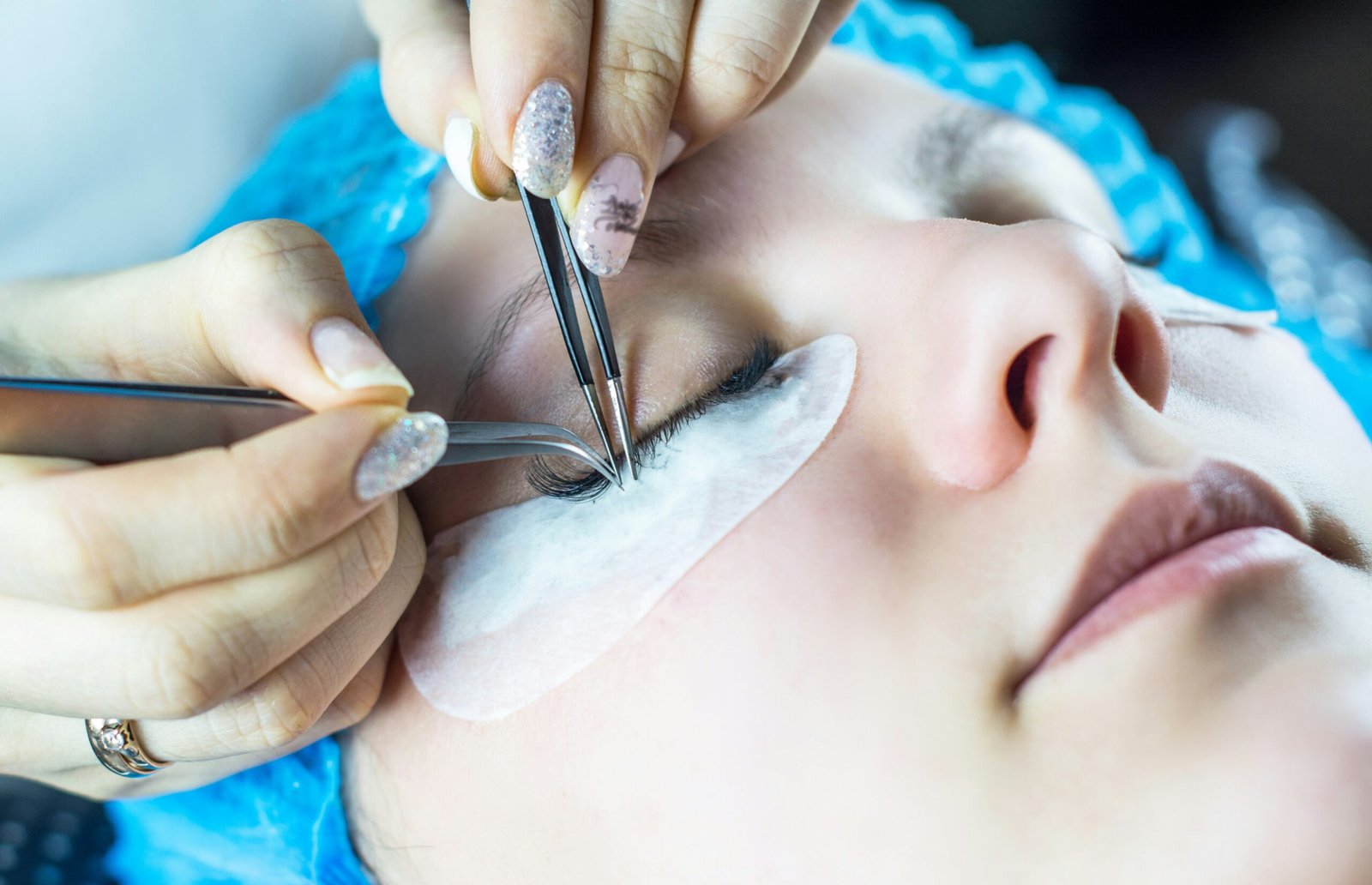
Most people would be surprised to know that they have eyelash mites on their skin. This is generally not a problem unless they get out of control, in which case they cause irritation, swelling, crusting on the eyelids, and discomfort in the eyes.
What Eyelash Mites Are
Eyelash mites are microscopic creatures called Demodex that live on or inside hair follicles and sebaceous glands.
They are microscopic and cannot be seen without magnification. Two types of these mites are commonly associated with humans: Demodex folliculorum and Demodex brevis.
Demodex folliculorum typically infest hair follicles, including those on eyelashes and eyebrows, while Demodex brevis usually occurs deeper within sebaceous glands alongside the eyelids. These mites consume dead cells and oil, which is why they tend to accumulate around the lash line.
Most people have these parasites on their eyelashes, but they cause damage only when the infestation becomes severe, leading to inflammation of the eyelids.
Why Eyelash Mites Matter
Eyelash mites are a serious problem as they can cause blepharitis, an inflammation of the eyelids that may lead to ongoing eye irritation and discomfort.
The complication of blepharitis is commonly misdiagnosed since it is often confused with dry eyes or an allergic reaction. As a consequence, patients are not brought to the doctor right away.
In the case of demodex blepharitis, the eyes may be red, itchy, and sore. The sufferer may also experience a burning sensation, and the rims of his/her eyelids may appear swollen and irritated. In addition, the patient’s lid margins may look red, inflamed, and encrusted with scales or flakes of dandruff that are yellow or white in color. Finally, an untreated eye infection may affect the ability to read, work on a computer, or wear contact lenses due to persistent discomfort.
Common Symptoms
The signs of eyelash mites can vary from mild to severe. Some people have only slight irritation, while others have persistent eyelid problems that keep coming back.
Common symptoms include:
- Itchy eyelids.
- Burning or stinging around the eyes.
- Red eyelid margins.
- Crusts or flakes near the eyelashes.
- A gritty or sandy feeling in the eyes.
- Watery eyes.
- Dryness that does not improve easily.
- Mild swelling of the lids.
- Lash loss in more advanced cases.
One of the most telling signs is debris around the base of the eyelashes. This can look like tiny sleeves or collars wrapped around the lashes. If that is present, eyelash mites are more likely to be involved.
What Causes Overgrowth
Having Demodex mites is not a problem per se. The issue occurs when there is an overgrowth of the mites due to the disruption of the balance. There are several reasons why this can happen.
The most common one is associated with the aging process. Demodex is more common in adults, and the number of mites increases with age. This is explained by the fact that the skin produces more oil and the immune system starts to fail. Another reason for the infestation is chronic eyelid inflammation.
Other possible contributors include:
- Poor eyelid hygiene.
- Heavy use of eye makeup.
- Not removing mascara or eyeliner properly.
- Oily skincare products near the eyes.
- Rosacea or seborrheic skin conditions.
- Contact lens irritation.
- Weakened immune function.
In many cases, several factors contribute to the condition rather than a single cause. That is why treatment often works best when it combines cleaning habits with professional care.
How It Is Diagnosed
An eye doctor usually diagnoses eyelash mites by examining the eyelids and lashes closely. They look for redness, crusting, lash changes, and the characteristic debris at the lash base. In some cases, a few lashes may be removed and viewed under magnification to confirm the presence of mites.
Diagnosis matters because eyelash mites can look like other eye problems. Dry eye, bacterial blepharitis, allergies, and skin conditions around the eyes can cause similar symptoms. A proper evaluation helps make sure the treatment matches the real cause.
Treatment Options
Treatment usually focuses on lowering the mite count, cleaning the eyelid area, and reducing inflammation. The best approach depends on how severe the condition is.
Eyelid hygiene
Daily eyelid cleaning is one of the most important steps. This helps remove debris, oils, and crusting that support mite growth. Warm compresses may also help loosen buildup and improve comfort.
A gentle lid-cleaning routine often includes:
- Washing hands first.
- Applying a warm compress to closed eyelids.
- Gently cleaning the lash line with a safe lid cleanser.
- Removing all eye makeup before sleeping.
- Repeating the routine consistently.
Medicated or targeted care
In some cases, it might be necessary to use particular drugs or topical treatments to get rid of the mites and alleviate the symptoms they cause. Note that such therapy usually requires the optometrist’s intervention since he or she will have to prescribe one of the available eye drops or medications containing tea tree oil extract to kill the mites on the eyelashes. However, only a healthcare professional can determine which treatments are safe for the delicate skin around the eyelids.
Besides, the doctor might prescribe some treatments to address the issues of dryness or inflammation of the eyelids if they are present. Such therapy would help to relieve the discomfort caused by dry eyes and promote the healing process of the eyelids.
Makeup and contact lens changes
If you wear eye makeup, pausing it during flare-ups may help. Old mascara and eyeliner should be replaced, since they can hold debris and bacteria. Contact lens wear may also need to be reduced temporarily if the eyes are very irritated.
Home Care Tips
Good home care can make a big difference. You can also explore our more eye health guides for additional tips on protecting your vision and maintaining healthy eyes. These habits help keep the eyelids cleaner and reduce the chance of flare-ups.
Helpful habits include:
- Remove makeup every night.
- Avoid sharing eye products.
- Replace mascara regularly.
- Wash pillowcases and towels often.
- Keep fingers away from the eyes.
- Use gentle products around the eyelids.
- Follow a daily lid-cleaning routine if recommended.
It also helps to avoid harsh scrubbing. The skin around the eyes is delicate, so the goal is to clean gently and consistently, not aggressively.
Prevention
Prevention is mostly about hygiene and habit control. Since eyelash mites often live harmlessly on the skin, the goal is not to eliminate every single mite. The goal is to keep them from multiplying and causing inflammation.
Practical prevention steps include:
- Clean the eyelids regularly.
- Remove makeup before bed.
- Avoid oily products near the lash line.
- Replace old eye cosmetics.
- Do not share mascaras or eye tools.
- Treat underlying skin conditions like rosacea if present.
- See an eye doctor if symptoms keep returning.
If you are prone to eyelid irritation, preventive care is especially important. A simple routine done every day can reduce the chance of recurring symptoms.
When to See a Doctor
You should get professional care if symptoms last more than a few days, keep coming back, or begin to affect your vision or comfort. If your eyelids become very red, swollen, painful, or develop heavy crusting, it’s important to see a healthcare provider.
It is especially important to see a doctor if:
- Your eyes feel constantly gritty or dry.
- You have repeated eyelid inflammation.
- Over-the-counter drops are not helping.
- Your lashes are falling out.
- You have recurring styes or eyelid crusting.
- Your symptoms worsen over time.
An eye exam can help determine whether eyelash mites are the cause or whether another problem is responsible.
Common Misunderstandings
A lot of people assume eyelash mites are rare or always a sign of poor hygiene. That is not true. Many adults have them naturally. The issue is not their presence alone, but their overgrowth.
Another common myth is that strong home remedies are the fastest cure. In reality, using random products near the eyes can make irritation worse. Safe, consistent care is more effective than harsh treatment.
People also sometimes think the mites themselves are visible. They are not. What you can usually see is the damage or debris they leave behind, not the mites directly.
Conclusion
Eyelash mites are normally benign microscopic parasites that reside in lash roots and meibomian glands. However, when their population gets out of control, these tiny creatures invade eyelashes, skin, and glands causing irritation to the eye similar to the one induced by dry eyes, also called the demodex blepharitis.
Luckily for us, this persistent unwelcome visitor can be easily removed by eyelid hygiene and properly maintained makeup routine and if not, the thorough hygiene of eyelids performed by an experienced professional can rid your lashes of the parasitic infestation for good and allow your eyes to rest in peace.
FAQs
Are eyelash mites normal?
Yes. Many adults have them naturally, and they are often harmless unless they multiply too much.
Can eyelash mites cause dry eyes?
Yes. They can irritate the eyelids and affect the tear film, which may feel like dry eye.
Are eyelash mites contagious?
They can spread through close contact or shared eye products, but not everyone exposed will develop symptoms.
How do I get rid of eyelash mites?
Daily eyelid hygiene, safe cleansing, and professional treatment when needed are the usual approaches.
Can I use tea tree oil on my eyelashes?
Not directly unless it is in a product made specifically for eyelid use and recommended by a professional.
Can eyelash mites disappear on their own?
Mild cases may improve, but ongoing symptoms often need consistent care to prevent recurrence.
Should I stop wearing makeup if I have eyelash mites?
During flare-ups, it is often helpful to pause eye makeup and replace old products.