

A latte is one of the most popular coffee drinks in the world, known for its smooth espresso flavor and creamy, velvety milk. While many people enjoy ordering lattes from their favorite coffee shop, making one at home is easier than you might think. With the right ingredients and a few simple techniques, you can prepare a café-style drink without needing professional barista training. Learning how to make a latte at home not only saves money over time but also gives you complete control over the flavor, strength, and milk you use.
The joy of making lattes at home is the freedom you have to customize every single detail. Whatever milk option you love – whether it’s cow’s milk, soy, oat, almond milk or other non-dairy alternatives – you can tailor every cup so it’s perfectly balanced to your tastes. Feel free to experiment with adding flavor syrups, a sprinkle of cinnamon or nutmeg, or a different variety of coffee beans for a personalized touch.
Even though the purest of lattes are made using a dose of espresso and milk, it is actually entirely possible to achieve the same satisfying results without the use of a dedicated espresso maker. A variety of home coffee brewing methods and manual brewers will provide the amount of “oomph” needed to provide the basis for your do-it-yourself latte.
What Is a Latte?
What Is a Latte? Understanding the Difference Between a Latte and Cappuccino helps explain why these popular espresso drinks have different textures and flavors.
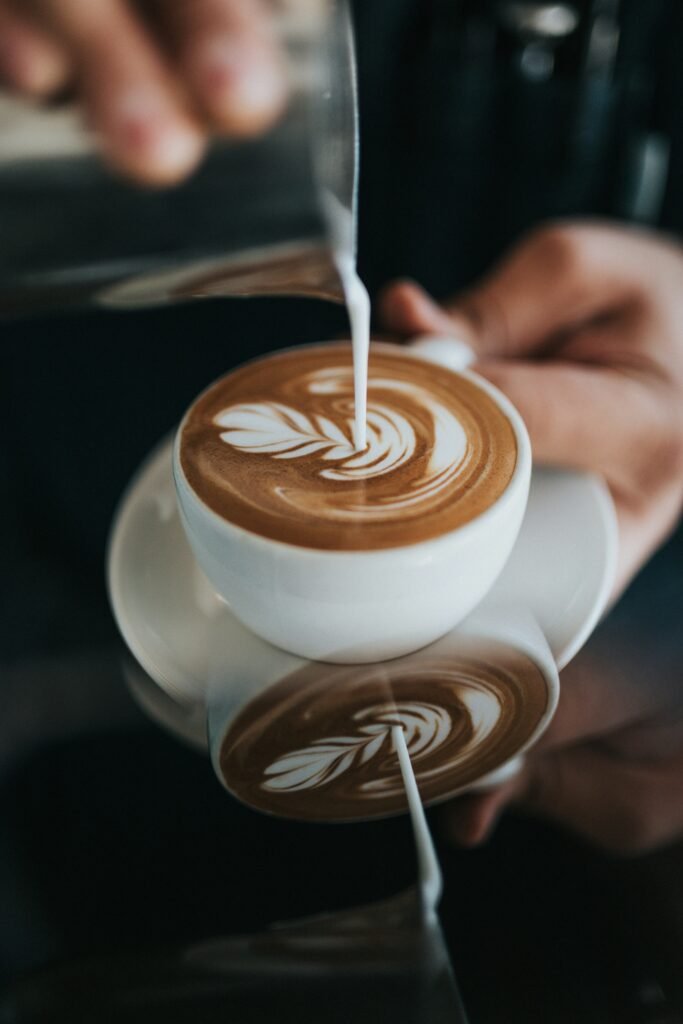
“Latte” comes from the shortened form of “caff latte.” A latte is a coffee based on espresso that typically consists of 1 or 2 shots of espresso along with steamed milk and a frothy topping of milk foam. The difference between the two drinks is the amounts of foam and milk in them: A latte is topped with milk foam but usually with less than a cappuccino and it’s silkier and creamier.
This 1 part espresso, 1-2 parts milk has a fairly mild taste profile making it enjoyable for beginners as well as expert coffee drinkers.
The milk balances the flavor of the espresso, which has led to lattes being the base of many drinks that are enhanced by the additions of other flavors (like a caramel, vanilla, hazelnut or pumpkin spice latte).
Understanding this simple composition is the first step in mastering how to make a latte at home successfully.
Ingredients You’ll Need
The ingredient list for a classic latte is surprisingly short, but using quality ingredients makes a noticeable difference in the final flavor.
For a traditional homemade latte, you’ll need:
- Freshly brewed espresso or strong coffee
- Milk of your choice
- Optional sweetener or flavored syrup
- Ground cinnamon or cocoa powder for sprinkling on top
Ideally, coffee from freshly roasted whole beans will result in a richer and more fragrant cup of coffee, or if you have a few extra minutes then grinding fresh just before brewing is also ideal. You’ll likely get a full, milky drink from the foam will remain with whole milk. There will be some options for non-dairy milks which will work and foam well, oat milk for example or barista quality almond milk.
Equipment That Makes the Process Easier
Best for Lattes: While a professional espresso machine will give you the most authentic latte, that’s not your only option. It is entirely possible to make a perfectly satisfying latte in a Moka pot, an AeroPress, a French press, or even a robust drip coffee maker. Though these won’t provide you with true espresso, they result in highly concentrated coffee which is a very acceptable stand-in.
To froth milk, you can use:
- A handheld milk frother
- An electric milk frother
- A French press
- A steam wand
- A tightly sealed jar and microwave
Each method introduces air into the milk, creating the light foam that gives lattes their signature texture.

How to Make a Latte at Home Step by Step
Learning how to make a latte at home becomes much easier when you break the process into simple steps.
1. Brew one or two shots of espresso or some strongly brewed coffee. You want this poured in a shot to your service cup while it’s hot.
2. Heat your milk until about 140 degrees to 150 degrees Fahrenheit (60 degrees Celsius to 65 degrees Celsius). Do not boil your milk, as overheating will affect its taste and consistency.
3. Froth your milk. You can do this via steam wand, milk frother, or French press. You want smooth microfoam. Frothy milk should shine.
4. Gently pour steamed milk onto your espresso. Try to hold back the thickest foam until you almost fill your mug, then pour a thin layer on top.
5. Serve hot, add vanilla syrup, caramel sauce, cinnamon, chocolate powder, etc if desired.
Tips for a Better Homemade Latte
Even small adjustments can noticeably improve your results when practicing how to make a latte at home.
Always Start With Fresh Coffee. Coffee loses its aroma and taste soon after it is brewed, so make sure that you prepare your coffee immediately prior to the actual latte preparation, and not more than 30 minutes in advance. Don’t Overheat The Milk.
Cooked-out milk results in a burnt-tasting drink and makes foam quality a problem.
Use a thermometer until you get comfortable with it. Freshly Roasted Beans Choose a variety of beans freshly roasted with flavor profile that suits your taste: Generally, lattes call for a medium to dark roasted bean variety. Darker roasts give you those chocolaty, nutty, or caramelized flavors that marry well with milk. Pour Your Milk Evenly Latte art is something that will come to you over time, but just pouring your milk steadily and at a consistent speed should bring a nice mixing of your espresso and your milk, and a well-balanced taste.
Popular Latte Variations to Try
Once you’ve mastered how to make a latte at home, you can easily experiment with different flavors to suit your preferences. A homemade latte serves as a versatile base for many popular coffee drinks.
Make it a vanilla latte by simply drizzling some vanilla syrup into the bottom of your cup, then topping with steamed milk. For a caramel latte, simply drizzle the caramel in, on the bottom, or on top of the foam. If the air is chill, try adding some pumpkin spice or cinnamon.
When the weather is hot, turn your favorite latte into a iced coffee by pouring the cold espresso over ice before filling with cold milk.
You can also sweeten things up with honey, maple syrup, or one of our flavored syrups.
Common Mistakes to Avoid
There are a few basic mistakes that even a simple coffee drink can be prone to.
One is using weak coffee for a strong base instead of a shot of espresso or a very strong cup of brewed coffee. The milk naturally dilutes the coffee flavor, so using weak coffee base would lead to a milky, unappetizing latte.
One common mistake is over heating the milk. If the milk is heated beyond a certain point, the milk becomes sweet and burnt-tasting. Gentle heating results in creamy milk.
Another basic error in beginning is having a “poor quality” foam. Many small bubbles create a large amount of airiness and this creates a dry, porous foam rather than the smooth micro-foam which constitutes a café quality latte. Slow frothing results in a richer foam.
Another problem is using too much flavor in one’s coffee, thereby drowning out the flavor of the coffee. Start with a small amount and add more gradually if needed, as it’s much easier to increase the flavor than to correct using too much at once.
How to Store Leftover Ingredients
Best to drink your latte right after you’ve made it, though storing the right ingredients in the proper place can still help for future lattes. Store your coffee beans in an airtight container that’s far from moisture, heat and the light of day. Don’t store them in the fridge as beans can take in the scent of the items around them.
Milk is a fresh product so you must always put it back in the fridge and don’t forget about expiry dates.
If you use plant based milk don’t forget to give your container a good shake prior to each pour. Your coffee machines too need a proper cleaning out after each use, since any leftover milk residue and coffee oils will alter the taste of any drink prepared afterward.
Choosing the Best Milk for a Homemade Latte
Choosing the Best Milk for a Homemade Latte becomes easier when you understand How Different Types of Milk Affect Coffee Foam and texture.
What Milk To Use for a Latte You would not believe how your choice of milk impacts the creamy or foamy result of your latte. Most whole milk (or even 2 percent) will produce the richest, creamiest latte you can ask for. Whole milk is most of what the local cafe uses due to the overall mouthfeel.
However you will get decent foam from non-fat or low-fat milks – just not as creamy.
For non-dairy milk, oat is likely your best option for achieving that super- creamy texture and smooth foam. In fact, barista blend almond or soy milks will also complement your coffee.
Conclusion
Learning how to make a latte at home is a practical skill that allows you to enjoy café-quality coffee whenever you like. With freshly brewed espresso or strong coffee, properly heated milk, and a reliable frothing method, you can prepare a smooth and flavorful latte in just a few minutes.
Once you have mastered this beverage, experiment with different types of coffee beans, milk, and flavor syrups until you find the combination that suits you. Whether you want a basic latte, an extra shot of flavor, or an iced latte, you can make it all at home, where it is both cheaper and easier.
FAQ:
Can I make a latte without an espresso machine?
Yes, if you do not have access to an espresso maker, you can use a Moka pot, AeroPress, French Press, or any other method that can give you a shot of coffee. It will not be as thick and strong as usual, but you will still be able to make a latte.
What is the best thing to use when making a latte?
The best option for making a latte is whole milk since it will give you a better consistency and a richer taste. Barista-style oat, almond, or soy milk are also a good choice.
How do I froth milk without a milk frother?
You can start by warming the milk in a sealed jar until it is warm.Next, shake it vigorously until the milk becomes light, frothy, and full of foam. You can also use the microwave to firm it up a bit.You can also froth the milk using a French press for a rich, creamy texture.
What is the difference between a latte and a cappuccino?
The difference between a latte and a cappuccino is that the former contains more steamed milk, while the latter has more milk foam.
Is it possible to make a latte with instant coffee?
Yes, technically, it is possible, but it is not recommended. With that said, if you still want to do it, you can use instant coffee powder to make a latte. You should, however, use the best instant coffee you can find. It should also be brewed like espresso.
Why does my milk not froth?
The most probable reason why your milk does not froth is that it is either too hot or too cold. Another possibility is that you are using the wrong type of milk. Whole milk and barista-style milk are the best options for frothing.
How many shots of espresso are in a latte?
It depends on how much you want your latte to be and how strong you want your coffee to be. In general, there is one or two shots of espresso in a latte.