
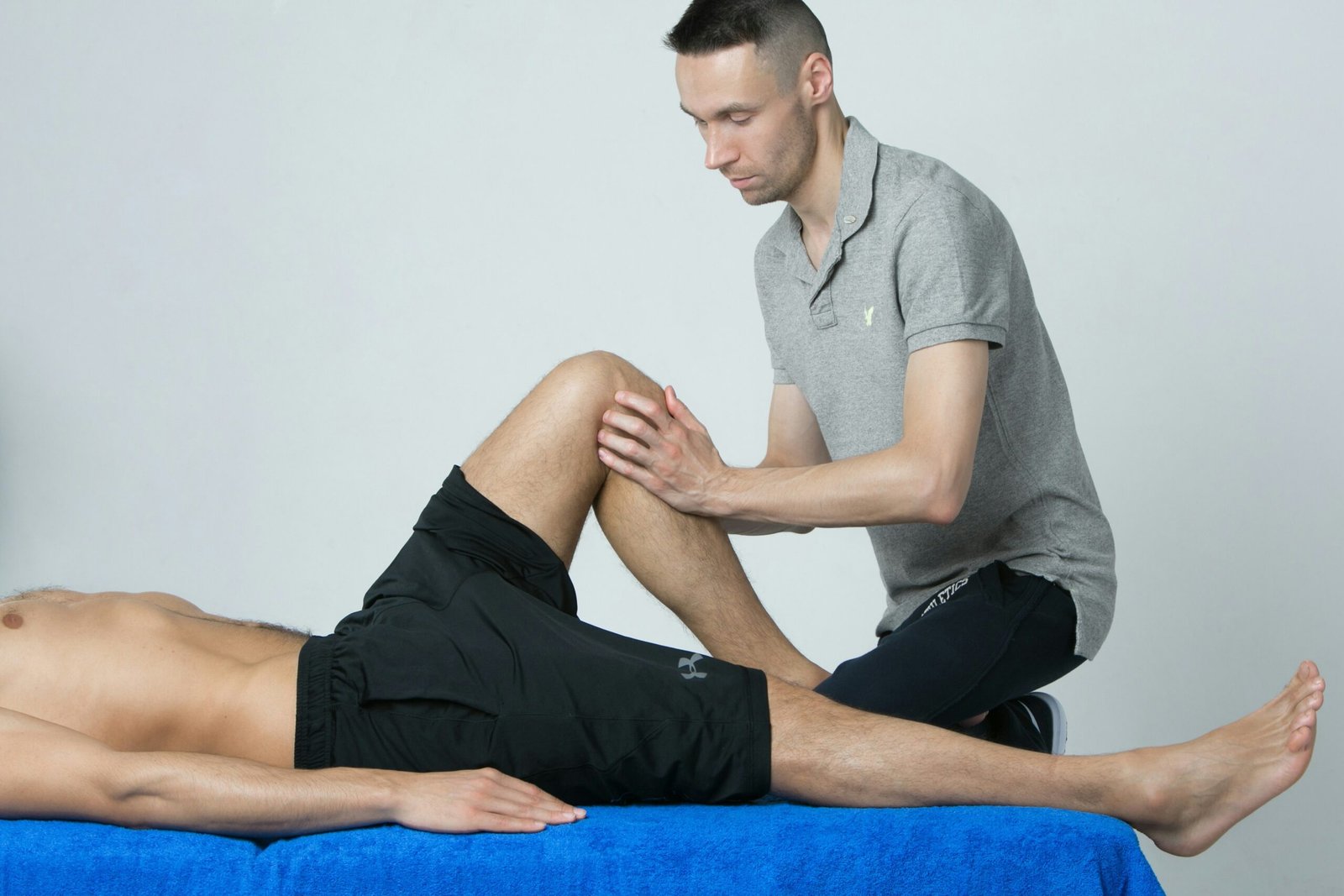
The piriformis is a small muscle in the buttock that plays a large role in stabilizing the hip and lower limbs. While it is much smaller and less powerful than the gluteal muscles, damage to the piriformis can cause debilitating pain. Sitting, walking, climbing, and exercising can all become challenging or even impossible when the piriformis is inflamed or damaged.
Most people are not familiar with the piriformis muscle, and many have never even heard the name. This is why people with piriformis syndrome often mistake their condition for a spinal issue, such as sciatica. In order to receive the appropriate treatment for piriformis syndrome, it is important to understand how this muscle works and what goes wrong when it becomes damaged.
This article will discuss the piriformis muscle, its function, the causes and treatments of piriformis syndrome, and how medical professionals diagnose this condition.
What Is the Piriformis Muscle?
The piriformis is a small, pear-shaped muscle located beneath the large gluteal muscles. It originates from the front of the sacrum, the triangular bone at the base of the spine, and passes through the greater sciatic notch to the top of the femur (or thigh bone).
While small in size, this muscle is vital in connecting the pelvis to the hip joint. In addition, it allows the hip to rotate and enables you to stand, walk, and change directions.
The unique feature of the piriformis muscle is that the sciatic nerve passes below it in most people. However, in some individuals, the nerve is either passing through the middle or on top of the muscle. This explains why sciatic nerve pain is frequently associated with piriformis syndrome, even though several other conditions can produce similar symptoms.
Why the Piriformis Muscle Matters
The piriformis muscle works continuously during daily movement, even though most people are unaware of it.
Its primary functions include:
Hip Rotation
When the hip is extended, the piriformis muscle rotates the thigh outward. This movement occurs while turning the foot away from the body or changing direction during walking and sports.
Hip Stabilization
The muscle helps keep the hip joint stable while standing on one leg, climbing stairs, or maintaining balance during movement.
Supporting Walking and Running
Every step requires multiple muscles to coordinate movement. The piriformis muscle contributes by controlling hip motion and supporting smooth leg movement.
Assisting Athletic Performance
Activities such as tennis, soccer, basketball, dancing, hiking, and running require repeated hip rotation and stabilization, making the piriformis muscle especially important for athletes.
Understanding Piriformis Syndrome
One of the most well-known conditions involving the piriformis muscle is piriformis syndrome.
Piriformis syndrome develops when the piriformis muscle presses on or irritates the nearby sciatic nerve. This irritation can produce symptoms similar to sciatica, including pain that radiates from the buttock into the back of the thigh and, in some cases, farther down the leg.
Diagnosing piriformis syndrome can be challenging because its symptoms often resemble lumbar spinal stenosis, herniated discs, and other conditions affecting the lower back. For this reason, healthcare providers often evaluate the spine, hips, and surrounding muscles before confirming the diagnosis.
Common Causes of Piriformis Muscle Pain
Pain involving the piriformis muscle may develop gradually or appear suddenly after an injury.
Overuse
Repeated activities such as running, cycling, rowing, or prolonged walking can place continuous stress on the muscle, leading to tightness or irritation.
Prolonged Sitting
People who spend many hours sitting at a desk or driving may place constant pressure on the piriformis muscle. Over time, this can contribute to stiffness and discomfort.
Sports Injuries
Quick changes in direction, sudden twisting movements, or falls may strain the muscle.
Muscle Imbalance
Weak gluteal muscles often force the piriformis muscle to work harder than intended, increasing the risk of overuse.
Poor Posture
Improper sitting posture and abnormal walking mechanics may gradually increase stress on the hip muscles.
Trauma
A direct blow to the buttock during sports or an accident can injure the piriformis muscle and surrounding tissues.
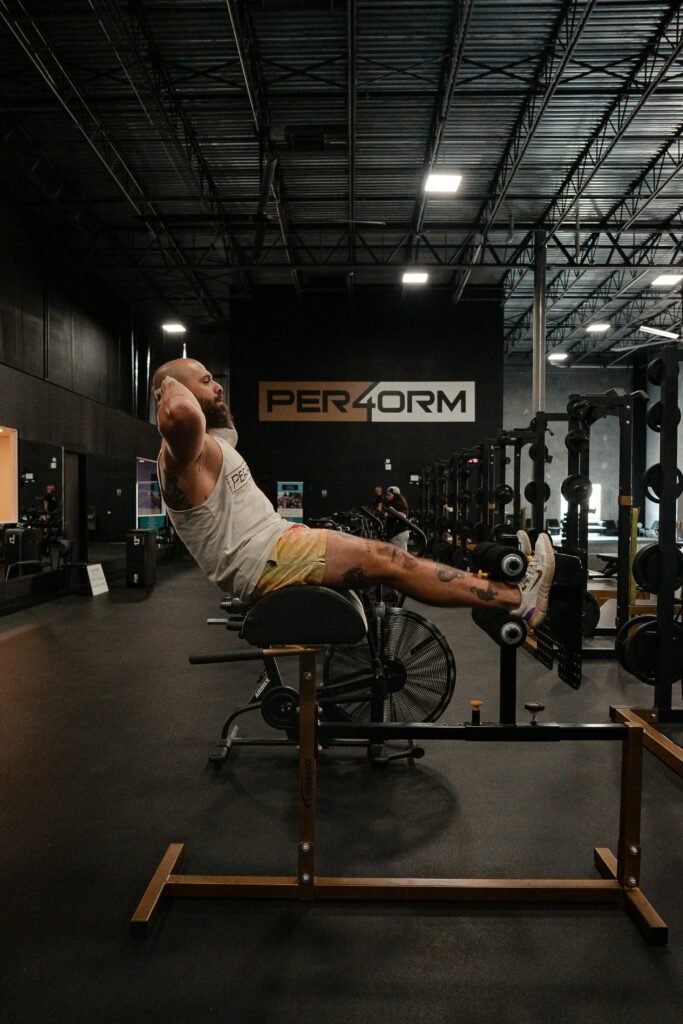
Symptoms of Piriformis Muscle Problems
Symptoms vary depending on the severity of the condition and whether the sciatic nerve is involved.
Common symptoms include:
- Deep pain in the buttock
- Tenderness over the hip area
- Pain while sitting for long periods
- Discomfort when climbing stairs
- Pain during running or walking
- Reduced hip flexibility
- Difficulty rotating the leg
- Pain that may travel down the back of the thigh
- Tingling or numbness if the sciatic nerve becomes irritated
Some people notice that standing up after sitting for a long period temporarily increases discomfort before movement gradually becomes easier.
Risk Factors
Certain individuals have a greater likelihood of developing piriformis muscle problems.
These include:
- Runners
- Cyclists
- Long-distance walkers
- Office workers
- Truck drivers
- Athletes who perform repetitive hip movements
- Individuals recovering from hip injuries
- People with poor flexibility
- Those with weak core or glute muscles
Having one or more of these risk factors does not mean an injury will occur, but it can increase the likelihood.
How Doctors Diagnose Piriformis Muscle Conditions
Diagnosing problems involving the piriformis muscle begins with a detailed medical history and physical examination.
A healthcare provider typically asks about:
- Where the pain started
- Activities that worsen symptoms
- Previous injuries
- Exercise habits
- Pain while sitting or walking
During the examination, the provider may gently move the hip through different positions to identify movements that reproduce symptoms.
Since there is no single test that definitively confirms piriformis syndrome, imaging studies such as MRI or ultrasound are often used to rule out other conditions rather than directly diagnose the muscle itself.
In some cases, additional tests may be recommended if symptoms suggest spinal disorders or other causes of sciatic nerve irritation.
Initial Treatment Options
Most cases involving the piriformis muscle improve with conservative treatment.
Activity Modification
Reducing activities that aggravate symptoms allows irritated tissues time to recover while maintaining gentle movement to avoid stiffness.
Rest
Short periods of relative rest may help during the early stages of injury. However, prolonged inactivity is generally discouraged because it may lead to muscle weakness.
Ice Therapy
Applying an ice pack for 15–20 minutes several times daily during the first couple of days may help reduce pain after an acute injury.
Heat Therapy
For ongoing muscle tightness, gentle heat may help relax the piriformis muscle and improve flexibility.
Over-the-Counter Pain Relief
Some individuals may benefit from nonprescription pain relievers if recommended by their healthcare provider. These medications should be used according to label directions and are not appropriate for everyone.
Why Early Treatment Matters
Neglecting to address buttock pain can lead to muscle tightness becoming more difficult to manage. In particular, if the piriformis is compressing the sciatic nerve, you may experience increased discomfort restricting you from engaging in work, exercise, and other activities.
It’s important to seek care as soon as possible in order to identify the underlying cause of your discomfort and determine an effective course of treatment. In most cases, patients are able to find significant relief through stretches, physical therapy, and lifestyle modifications before exploring more intensive interventions.
Exercises and Stretches for the Piriformis Muscle
For some people, specific stretching and strengthening exercises are recommended. They must be done carefully and should be discontinued if they cause sharp pain. If the pain is severe, or it radiates down the leg, it is necessary to consult a doctor.
Piriformis Stretch
One of the easiest stretches is to lie on your back and cross the affected leg over the other knee. Then, slowly bring your supporting leg towards your chest until you feel a gentle stretch in your buttocks (not pressure in your knee). Keep the stretch for 20-30 seconds and repeat several times.
Figure-Four Stretch
The figure-four stretch is another effective way to improve flexibility in the piriformis muscle. This stretch targets the deep hip muscles and can be performed on the floor or while sitting in a chair, making it suitable for people who spend long hours at a desk.
Hip Rotator Stretch
Gentle hip rotation exercises help improve mobility around the hip joint and reduce stiffness. These movements should be slow and controlled to avoid placing unnecessary stress on irritated tissues.
Glute Strengthening
Weak gluteal muscles often contribute to excessive strain on the piriformis muscle. Exercises such as bridges, clamshells, and side-lying leg raises help strengthen the surrounding muscles and improve hip stability over time.
Core Stability Exercises
A strong core supports proper posture and reduces unnecessary stress on the hips and lower back. Physical therapists frequently include core-strengthening exercises as part of a comprehensive recovery program.
Physical Therapy and Advanced Treatment
If symptoms do not improve with home care, a healthcare provider may recommend physical therapy. A physical therapist can assess movement patterns, identify muscle imbalances, and develop a personalized rehabilitation plan.
Treatment may include:
- Guided stretching exercises
- Progressive strengthening programs
- Manual therapy techniques
- Posture correction
- Balance and movement training
- Education on preventing future injuries
For persistent cases, additional options such as image-guided injections may be considered by a specialist. Surgery is uncommon and is generally reserved for carefully selected patients whose symptoms do not respond to conservative treatment.
Recovery Timeline
Recovery from piriformis muscle problems varies depending on the underlying cause, symptom severity, and consistency of treatment.
With proper rest and rehabilitation, mild muscle strains often heal within a few weeks.. More persistent cases, especially those involving sciatic nerve irritation, may require several weeks or months of structured physical therapy.
Returning to sports or strenuous activity too early increases the risk of reinjury. A gradual return to activity is usually recommended once pain has improved and normal strength and flexibility have returned.
Preventing Future Piriformis Muscle Problems
While not every injury can be prevented, healthy habits can lower the risk of recurring symptoms.
Always warm up before exercising and cool down when you’re finished. Gentle stretching before and after physical activity helps maintain flexibility.
Avoid sitting for prolonged periods. If your work requires extended sitting, stand up and walk around every 30 to 60 minutes.
Strengthen your gluteal muscles, hips, and core regularly. Balanced muscle strength reduces excessive strain on the piriformis muscle.
Maintain proper exercise technique. Whether lifting weights, running, or playing sports, correct movement patterns help protect the hips.
Increase training intensity gradually. Sudden increases in distance, speed, or workout intensity are common causes of overuse injuries.
Wear supportive footwear that promotes proper lower-body alignment during walking and running.
Common Mistakes to Avoid
One of the biggest mistakes is assuming every case of buttock pain is caused by the piriformis muscle. Similar symptoms can result from lumbar disc problems, sacroiliac joint dysfunction, hip arthritis, or hamstring injuries. A proper medical evaluation is important if symptoms persist.
Another common mistake is stretching too aggressively. Gentle, controlled stretches are more beneficial than pushing through painful movements.
Some people also return to sports immediately after their pain improves. Without restoring muscle strength and flexibility, the injury may recur.
Ignoring posture is another issue. Poor sitting habits, especially during long workdays, may continue to place stress on the hip muscles even while treatment is underway.
Expert Recommendations
Healthcare professionals generally recommend a balanced approach rather than relying on one treatment alone.
Combining activity modification, stretching, strengthening, posture correction, and gradual return to activity often produces the best long-term results.
If symptoms continue despite several weeks of conservative treatment, further evaluation may be needed to identify other possible causes of pain.
Individuals with diabetes, arthritis, previous hip injuries, or chronic lower back pain should work closely with their healthcare provider to develop an appropriate treatment plan.

Frequently Asked Questions
1. What does the piriformis muscle do?
The piriformis muscle helps rotate the hip outward, stabilize the hip joint, and support movements such as walking, running, and changing direction.
2. Where is the piriformis muscle located?
It is located deep in the buttock, extending from the sacrum to the upper part of the femur near the hip joint.
3. Can the piriformis muscle cause sciatica?
Yes. If the muscle irritates or compresses the nearby sciatic nerve, it may produce symptoms similar to sciatica, including pain, tingling, or numbness that travels down the leg.
4. How is piriformis syndrome diagnosed?
Diagnosis is based on medical history, physical examination, and sometimes imaging studies to rule out other conditions. There is no single test that definitively confirms piriformis syndrome.
5. Can walking help piriformis muscle pain?
Gentle walking may help some individuals by improving circulation and reducing stiffness. However, if walking significantly increases pain, activity should be modified until symptoms improve.
6. When should I see a doctor?
Seek medical advice if your pain is severe, lasts for several weeks, causes weakness or numbness, follows a significant injury, or interferes with normal daily activities.
7. Can piriformis muscle pain come back?
Yes. The condition can return if underlying issues such as muscle weakness, poor posture, prolonged sitting, or incorrect exercise technique are not corrected.
Conclusion
Although one of the smallest muscles in the human body, the piriformis plays a critical role in the function of the hips and lower limbs. Its inflammation, spasm, or irritation can cause intense pain and discomfort in the affected area and disrupt the function of the sciatic nerve.
Luckily, most cases of piriformis syndrome can be treated using conservative methods. You can also explore our more health and fitness guides for additional tips on improving mobility, preventing injuries, and supporting overall muscle health. A timely medical intervention, along with a course of stretching and strengthening exercises for the piriformis muscle, reduces discomfort and prevents recurring issues. In addition, seeing a medical professional is the best option in case of persistent pain, which might indicate further complications.