

What makes the base of your foot tingle out of nowhere? Lots of people feel that. An irritated heel isn’t usually serious, yet repeated flare-ups bring frustration – sometimes unease too. Often, the urge to scratch creeps in once evening arrives, moments after slipping out of footwear, or during stillness without warning. The surface may appear flushed, perhaps flaking slightly. Other times, there’s nothing to see, but that itch just won’t quit.
Here’s the thing: the bottom of your foot is built differently from the rest of your body. The skin’s thicker down there—it has to be, with all the pressure and friction. Feet carry countless sweat glands yet zero oil ones. This mix leaves skin either cracking quickly or soaked through with moisture buildup. Trapped inside footwear day after day, they face warmth, wetness, and steady friction against fabric and material surfaces. All of this messes with the skin and can make your nerves extra sensitive.
Bottom-of-foot itching? Could be skin trouble, could be internal shifts – either way, check both. Often harmless, sure, yet sometimes persistent nagging hints at hidden triggers lurking beneath. When the sting grows sharp or refuses to fade, deeper causes may be pulling strings. This piece maps frequent instigators behind sole irritation, clues to catch them early, plus real moves that ease discomfort without guesswork.
Why Does the Bottom of My Foot Itch? Understanding the Itch Mechanism
But let’s back up a second. What is an itch anyway? Doctors call it pruritus. Something stirs as sensors under your skin react. Dryness might be at play, inflammation could join, or perhaps an infection lurks nearby – sometimes allergies step in, or odd substances drift through your system. When these nerves wake, signals race upward, threading along the spine toward the thought centre, that’s when you feel the itch and the almost impossible urge to scratch.
Foot bottoms hold dense clusters of nerves tuned to touch. Because of this, tiny annoyances often spark strong itching urges. A scratch interrupts the messages racing toward your head – this break brings short relief.
When people keep wondering why their lower foot itches, clues often show up as redness, broken skin, germs moving in, or nerves acting up. Figuring out which one’s at play makes fixing it possible.
Dry Skin (Xerosis): A Common but Overlooked Cause
Feet often itch because the skin gets too dry. Since oil-making glands are missing underfoot – unlike elsewhere on the body – the soles miss out on natural protection. Without those built-in helpers, dampness from outside plays a big role. Hydration sticks around only if the surroundings lend support.
Slow shifts bring dryness over time. Hot baths that last too long kick it off – so do harsh cleaning bars. Skin thins with age, opening doors to rough patches. Winter air pulls moisture without warning. Bare feet dragging on gritty floors add strain day by day. A faded appearance settles in, texture turning patchy like old paint. Tiny splits sneak into view when least expected, mostly near the back edge of the foot.
Even minor dryness will affect the outer layer of the skin, making it more susceptible to entry by outside particles. When irritation happens, the body reacts with swelling and a need to scratch. Moisturising often matters – especially when the cream has no scent. Thick layers go further on tough foot skin. Products built with urea or ceramides stick well where feet bear weight. Repair takes time, but consistency makes a difference.
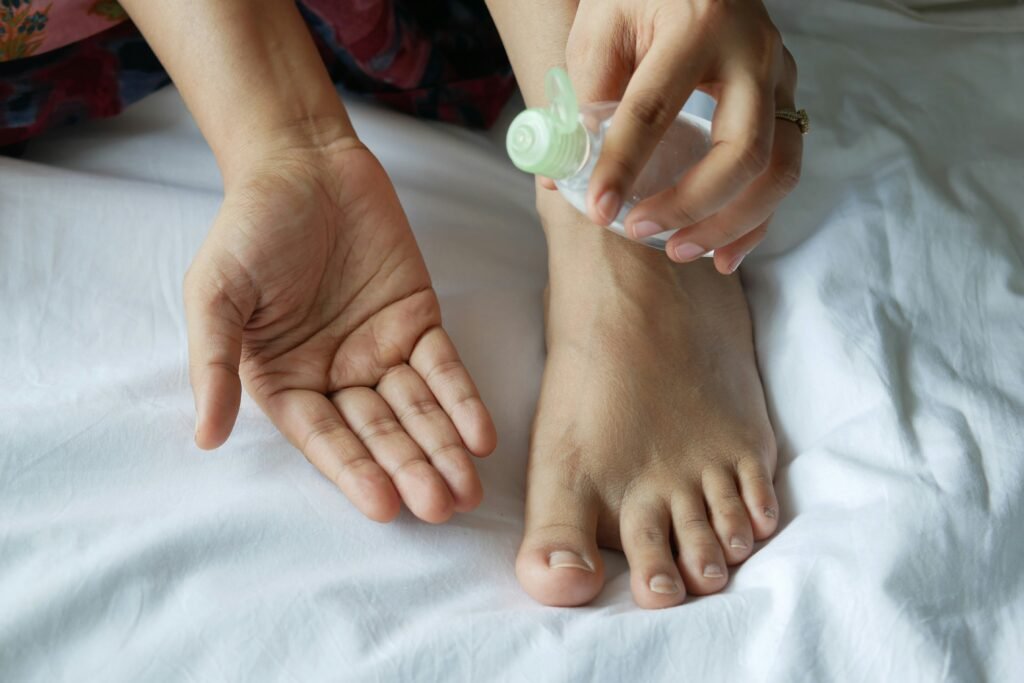
Athlete’s Foot (Tinea Pedis): A Fungal Explanation
Athlete’s foot is a pretty common reason people ask. Fungal infections often settle where it’s moist and warm. These are common fungal skin infections. That spot on your sole? Perfect real estate for dermatophytes. These tiny invaders thrive right there, feeding quietly beneath the surface.
Most times, it skips the spaces between toes entirely. A form known as the moccasin variety takes over the entire bottom of the foot instead. Skin turns rough, flakes heavily, itches without letup, and often wears a dusty appearance. Different strains bring irritation, shedding layers, or tiny raised spots on occasion. “This often overlaps with cases of bottom of my foot peeling.
Scratching feels stronger once shoes come off. When dampness dries away, raw spots show up – this is when the feeling hits hardest. Wearing snug footwear makes it more likely, as does moist skin on feet. Going barefoot in public washrooms adds risk, too.
Most times, treatment means using antifungal cream every day for several weeks. Skin might look better quickly, yet stopping too soon risks a return. Stick to the full plan because leftover fungus can flare again later. Completing all steps helps block another outbreak down the line.
Contact Dermatitis: Irritation from Materials or Chemicals
A rash appears – something brushed against the skin and triggered it. Could be rubber at fault, possibly with glue tagging along or even leather that’s been chemically handled. Dyes used in shoes can play a part, too, along with leftover detergent chemicals clinging after washing.
Foot creases might trap debris during daily movement. Overnight flare-ups often follow fresh footwear or swapped soaps. Redness shows up first, maybe puffiness too. Tiny bubbles under the skin appear now and then. Flaking patches join in without warning.
A reaction kicks off inside the body when certain skin meets a trouble-causing trigger. This sensitivity sets immune cells into motion against an otherwise harmless thing. Skin problems show up after long-term rubbing or chemical exposure because the outer layer loses strength.
Funny how a fresh pair of shoes can start an itch – checking what they’re made of, plus how often they get washed, could explain things. Most times, skipping whatever’s causing it tends to clear up the problem.
Eczema and Chronic Skin Sensitivity
Called atopic dermatitis too, eczema shows up on the feet sometimes. While it sticks around long term, redness often flares without warning. Inflammation drives the rash, making skin rough or sore. Not everyone gets it on their souls, yet some do. This condition behaves differently depending on the person.
Itchy patches often signal eczema. Dryness shows up alongside rough, raised areas. Fingers keep moving across it, slowly making the spot rougher. If that grinding never stops, what forms looks like tree trunk skin.
When life gets tense, skin might react. Dry air does not help either. Touching harsh stuff often makes it worse. Those who wheeze or sneeze a lot tend to deal with this more. Lotion every day keeps things calm most days. If redness stays, doctors may give special creams to quiet inflammation.
Dyshidrotic Eczema: Small Blisters with Intense Itching
Blisters full of liquid sometimes show up on the sides or soles of feet – this patchy skin issue often hits palms too. Called dyshidrotic eczema, it sticks to the hands along with the lower limbs.
Scratching brings little relief once that burn sets in, almost as if tiny needles dance beneath the surface. Days pass before the swollen spots crust over, slowly peeling off in thin layers. Still, tenderness lingers long after the flakes are gone, whispering of what was there.
Moisture buildup might set off eczema – stress plays a role, sweat adds to it, and allergies join in. Fungal infections often look like eczema, so getting the right diagnosis matters before any care starts.
Psoriasis of the Soles
Patches of rough, flaky skin show up when the body attacks its own cells by mistake. When feet are affected, hard patches in shades from red to light pink appear – edges clear, surface dotted with silver flakes.
Most people feel itchy, though some find stinging takes over instead. Rough patches show up clearly, unlike everyday dry skin. Walking can make splits worse, leading to soreness. Clear borders mark where psoriasis sits, different from general irritation.
Genes can play a role, though only a small number of folks carry those linked to psoriasis. If patches show up – dry, itchy – the chance goes up when family members dealt with the same thing. Close inspection by a doctor usually follows once these signs appear. Their assessment may lead to answers after looking at patterns passed through families.
Excessive Sweating and Skin Maceration
Foots sweat on its own, just trying to cool things down. Yet when dampness never seems to quit – thanks to overactive glands – the damp lingers without pause. Moist layers sit too long, turning tender where they should stay firm. Irritation sneaks in once texture shifts beneath friction.
Floating up near the surface, mushy skin tends to lose its usual shade, developing thin lines or a fragile texture. With dampness sticking around, bacteria find their spot – this brings on an urge to scratch.
Fewer soggy moments happen when footwear gets switched out regularly. Breathable fabrics let feet stay drier through the day. Powders that pull moisture help too – especially between toes.
Nerve-Related Causes of Itching
Even when skin appears normal, itchiness can stick around. Sometimes nerves are behind it. Conditions like peripheral neuropathy often show up with diabetes. Odd sensations – itching, heat, prickling – are typical signs.
Folks often skip creams since nerves drive the itch. These treatments just miss the mark when tingling runs deep. Relief rarely shows up in jars if signals misfire below skin level. Rather, it is associated with altered nerve signals. If there is accompanying numbness, then it is wise to see a doctor.
Systemic Health Conditions and Internal Causes
Funny how a persistent itch, even without a visible rash, might actually signal something going on inside – like trouble with the liver, kidneys, or thyroid.
Usually, when itching happens here, it shows up beyond just the bottom of the feet.
If, after a few rounds of “why does the bottom of my foot itch,” you still do not find an external source of itchiness, then blood tests may be performed to rule out underlying causes. However, it is more likely that itchy feelings are the result of local skin problems.
Psychological and Stress-Related Factors
When stress hits, the body answers with hidden shifts beneath the surface. Chemicals flow during tense moments – ones that quietly turn skin more reactive. Sensations might flare where they already bother you, sometimes sparking discomfort where none lived before.
When evening comes, some find that itching feels stronger. With less around to grab attention, small itches can grow louder in the mind. Stillness lets sensation swell without competition.
When tension plays a role, calming methods, rest, or steady habits might ease it – yet I’d guess their impact on itching isn’t direct. Still, something shifts beneath the surface when rhythms settle.
When Should You Be Concerned?
Feet often itch for harmless reasons – yet certain signs mean a doctor should take a look. Red areas growing across the skin, sharp discomfort, splits in the heel deep enough to weep, fluid leaking out, or an itch that won’t quit after weeks… these shift the situation. Not every sore sole needs urgent care. When changes worsen despite home efforts, though, waiting too long can backfire.
When itchiness makes sleeping or getting through the day tough, talking to a doctor can prevent problems while bringing relief. A visit might just ease the worry, along with the discomfort.
Practical Steps for Relief and Prevention
Most itch problems start when the skin dries out between the toes or on the soles. A soft wash using a gentle cleanser makes a difference over time. Water needs to run off fully before wrapping feet in cloth. Lotion goes on best while pores stay open from warm water. Thick cream applied each morning seals in hydration through the day.
Step into airy footwear instead of tight ones, and swap out your socks every morning. Never pass used shoes to someone else. At the first sign of a fungus problem, begin treatment without waiting.
Start soft. Scratching too hard causes harm. Trim nails regularly. Tap instead – gentle contact protects skin. Harsh movements lead to breaks. Care matters most.

Conclusion
And if you ever wonder why the bottom of my foot itches, the answer is quite simple. In most cases, itchy soles result from dryness, fungus, eczema, or contact reactions and sweats. In a few cases, it could also be related to nerves or other systems.
It is also quite easy to see why itchy soles seem to be a problem that comes so easily to this area of our body. Frequently, scratching on the feet eases fast when cleaned well, skin stays soft, because someone learns what triggers it.
Most times, scratchy feet aren’t dangerous – just bothersome for a short while. Yet seeing a doctor makes sense if the itching sticks around too long.



One response to “Why Does the Bottom of My Foot Itch? 11 Hidden Causes & Fast Relief”
[…] won’t quit often shows up between the toes when someone has athlete’s foot, and understanding why the bottom of my foot itches can provide helpful insights. Once shoes come off, the urge to scratch might increase sharply. […]