
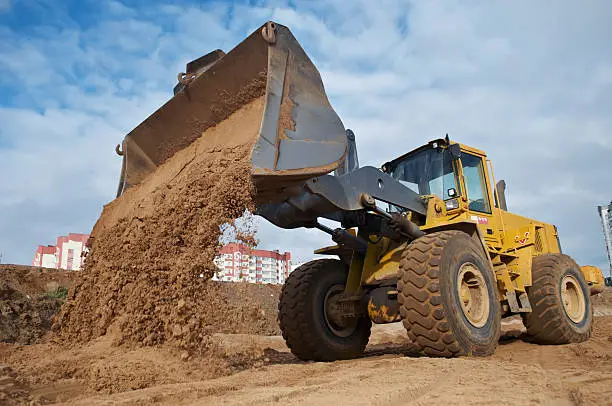
Clearing and shaping the ground comes first, every time work starts on a new structure. A home, an office lot, even just a path through backyard terrain – each begins with moving soil. When trees come down, slopes shift, or dirt gets flattened, those choices shape what follows. How flat the base sits, how water will run off, whether foundations settle evenly – all hinge on that initial prep. Even farmland upgrades rely on careful grading before anything else takes root.
Starting with soil isn’t just about shovels or heavy trucks. Machines need skilled hands behind them, people who know how land behaves under pressure. Planning comes before any wheel turns, measuring every slope and hidden root below. Uneven terrain might slow things down, while wet spots demand attention early on. Rock layers or old foundations surprise many jobs, halting careless work. Access routes too narrow? That changes everything – timing, tools, even where equipment parks. Clay holds water like a sponge, making footing tricky when machines roll through. Trees leave stubborn roots that fight back against blades. Professionals spot risks others miss, adjusting moves before mistakes happen.
Solid groundwork sets the stage for everything that follows.
When earthmoving hits the right mark, what comes next stands firm. Uneven soil leads to trouble down the road – think cracks, shifted structures, puddles after rain. Foundations need steady support, just like retaining walls and paved areas. Without careful shaping and compaction, nature takes over slowly but surely. Water finds weak spots. Soil slips when least expected. Driveways sink. Landscaping warps. Preparing the terrain well means fewer headaches later. A flat, tight base keeps things where they belong. It’s not flashy, yet it holds up the whole effort. Strong beginnings hide underground.
Water pooling near buildings often comes down
When runoff has nowhere to go, it gathers close to foundations, walkways, paths, gardens. Eventually, that lingering moisture softens dirt, weakens walls, creates slick spots, brings extra repair work. Shifting terrain just right helps guide liquid off instead of letting it settle. Because of thoughtful grading, rainfall flows where intended rather than causing trouble.
Most jobs need solid groundwork before anything else happens. People who run big machines know exactly where to dig, level, or shift soil without mistakes. Because they do it right the first time, others arrive on schedule – carpenters, pipe layers, garden teams, even road crews. Once the dirt work finishes cleanly, every following step flows easier. A clear path across land means tools, trucks, and workers get where they must go. Working with an experienced earthmoving company gives property owners, builders, and developers confidence that the job will be completed with the right equipment, planning, and attention to detail.
Heavy gear moves through dirt everyday.
Yet when machines dig, surprises wait below – wires, slopes that shift, floors that give. Those who’ve spent years behind the wheel spot danger before it shows teeth. They guide steel without rushing, keeping fences, workers, foundations out of harm’s path. Nearby activity doesn’t rush their rhythm.
Most people do not realize how much depends on who handles the digging work. When seasoned teams take charge, those involved – whether building homes or managing land – feel more at ease knowing machines are suited to tasks, schedules stay tight, details get checked twice. Heavy machinery moves soil best when guided by steady hands.
Starting with dirtwork?
It might be what holds up your whole build. From digging trenches to shaping driveways, moving soil sets the stage. Done right, things sit firmer, last longer, stand straighter. Skip shortcuts early, and later steps go smoother. A flat yard today means fewer headaches tomorrow. Foundations behave when the ground beneath knows its job.