
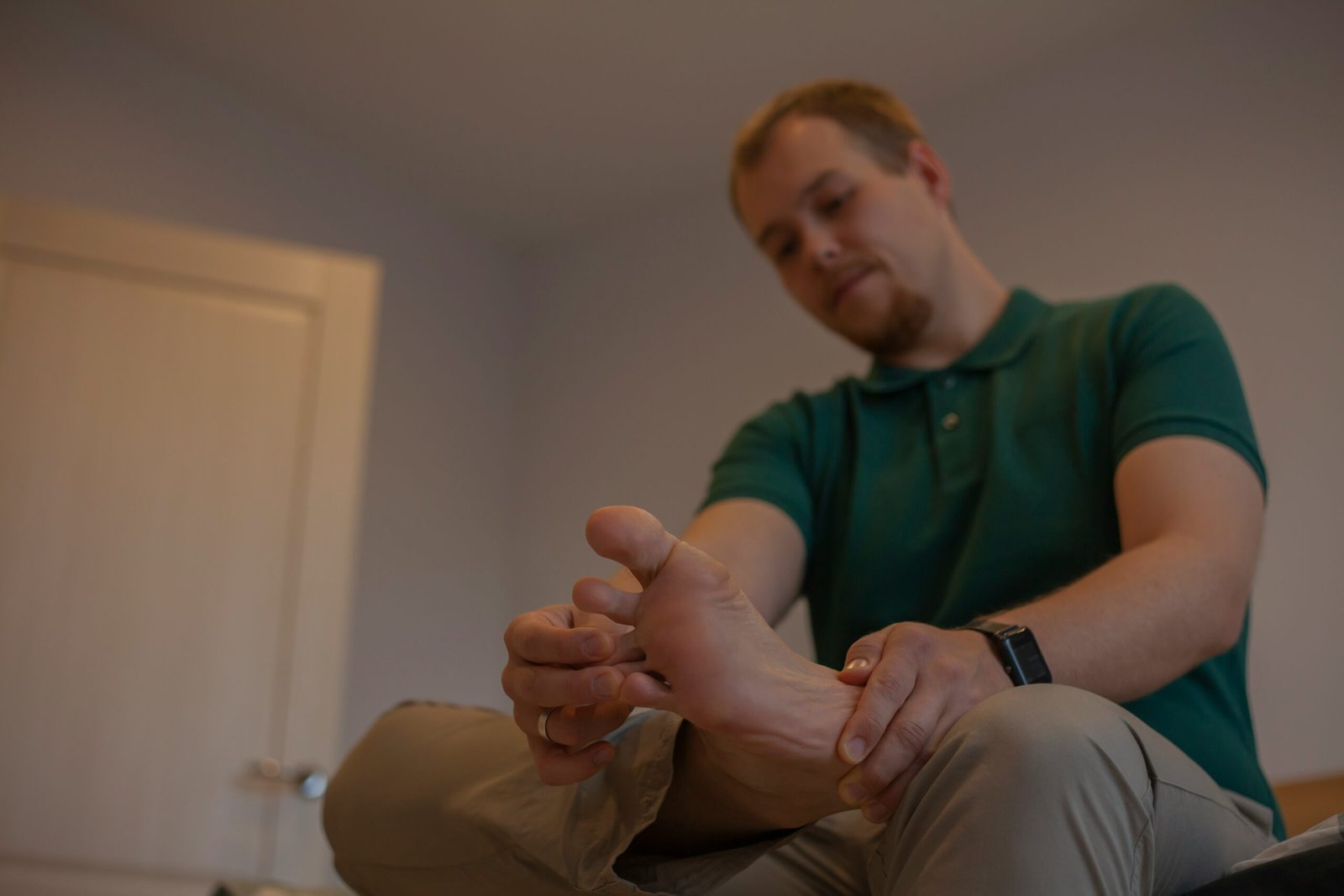
Athlete S Foot Compared to Dry Skin Key Differences Explained
As far as foot discomfort is concerned, one common question that people ask is about athlete’s foot vs dry skin. Flaky patches appear, maybe some redness creeps in, an urge to scratch builds slowly. Often, folks assume it’s mere dryness without digging deeper. Yet sometimes, a stubborn fungus hides beneath the surface, needing separate care. Spotting the difference matters more than most realize. Since what works for one won’t necessarily help the other.
Most likely, slathering on lotion won’t fix a fungus. Cream meant for fungi may do little if your skin is just parched. This guide lays out what leads to each issue, how they show up, who’s more prone, plus ways to handle them – clear facts without clutter. Details unfold step by step so you see the full picture.
Athlete s Foot Compared to Dry Skin
Before looking at how they differ, understanding each one matters. A fungal issue called athlete’s foot – also known as tinea pedis – affects the feet. This infection comes from dermatophytes, types of fungus loving moist, warm places. Skin’s top layer holds keratin, a protein these organisms use as food.
Most of the time, dry skin isn’t caused by germs at all. It shows up when moisture runs low and essential oils go missing. The bottoms of your feet? They’re extra vulnerable since oil glands aren’t found there. Without those, they lean heavily on external help – like lotions or protective coverings – to stay balanced. Flakes on the head might look alike, yet what’s happening beneath isn’t the same at all. Because of this, telling athlete’s foot apart from dry skin comes down to root reasons, not just symptoms. One wrong guess changes everything.
Causes of Athlete’s Foot?
Fungus taking hold between toes often marks athlete’s foot. Damp spots like wet socks or cramped footwear give it just what it needs. Locker room floors, shared showers – places people walk without shoes – feed its growth. Skin contact with someone who has it might pass it along. Stepping into a gym shower with bare feet increases the chance of picking it up. Towels or footwear borrowed from an affected person could carry the organism too.
Wet skin stays weak longer when soaked. When damp too long, feet lose their natural shield. Fungi find this soft tissue easy to invade. People stuck in tight footwear most hours face higher risk. Sweating heavily does not help either.
Causes of dry skin on feet?
Frosty air, steamy baths, plus indoor heating – each steals hydration slowly. Skin loses its slickness when winter winds blow. As years pile up, glands slack off, leaving less grease behind. Step after step, pavement presses back against barefoot strides. Sandals rub, pressure builds, and surfaces stiffen overnight. Cracks appear where tension gathers most. Moisture fades before you notice it’s gone.
Fresh air can make some patches worse – moisture loss shows up when things get too still. Not catching on like fungal trouble does, this type of roughness stays put because layers lack drink plus guard.
Athlete S Foot Compared To Dry Skin How Symptoms Differ
There are major differences between athlete’s foot vs dry skin, though symptoms can overlap.
Itching that just won’t quit often shows up between the toes when someone has athlete’s foot, and understanding why the bottom of my foot itches can provide helpful insights. Once shoes come off, the urge to scratch might increase sharply. Redness appears, along with a flaky texture – sometimes the area turns wet or soggy. Tiny blisters pop up in certain cases. Split skin and flakes are frequent features of this condition.
Cracks often show up across the sole or near the heel when skin lacks moisture. Instead of clumping in one spot, they spread fairly evenly. Texture turns stiff or peels, yet rarely burns bright red. That itchy feeling? Usually mild – goes away once the cream soaks in. Say you apply heavy lotion every day for a stretch, and things get better – that points straight to dryness. But should signs stick around or ramp up, something else might be feeding the issue.
Differences in Appearance
Visual clues are often helpful when examining athlete’s foot vs dry skin.
Foot fungus often shows up first in the spaces between toes, sometimes moving toward the sole. Redness might show there, sharp at the edges. When it takes the shape of footwear, flakes trace the foot’s underside and sides, almost forming a boot-like outline.
Not quite smooth, dry skin often appears lifeless, coming off in loose bits along uneven edges. Peeling shows up gently, minus any angry color or puffiness. Between the toes, fungus can leave skin feeling mushy, soaked from lingering damp. Texture shifts entirely when it is just dryness – think rough, almost like worn leather.
Differences in Sensation
How a symptom shows up might hint at what’s behind it.
Foot fungus often brings itchiness, yet it can sting or burn, too. Relief might come from scratching, although this tends to worsen the discomfort afterward.
Fresh air on bare patches can leave some people feeling itchy, maybe even a bit stretched. Hours pass, and most feel better once they’ve applied cream. When damp rooms make things worse – or sweat brings sharper irritation – chances are higher that something fungal is at play.
Risk Factors to Consider
Folks who sweat a lot often face higher risks of athlete’s foot. Wearing snug shoes day after day opens the door to it just as much. Walking barefoot in shared showers plays a role, too. A body struggling to fight off germs? That sets the stage even further.
Older folks often deal with dry skin, especially if they’re stuck in chilly areas. Harsh soaps strip moisture, making things worse for some. Long hours spent upright on unyielding floors can lead to rough patches underfoot. When it’s unclear whether feet are cracked from fungus or just a lack of moisture, looking at lifestyle clues helps tell them apart. Identifying these risk factors may help clarify athlete’s foot vs dry skin when symptoms are ambiguous.
Treatment Options for Athlete’s Foot
Fungus causes athlete’s foot, so fighting it means using medicine that kills fungal growth. Products found on store shelves often contain clotrimazole or work through terbinafine in cream form.
Most times it lasts weeks, though the signs might get better fast. Keeping your feet clean matters while healing happens. Air out shoes now and then instead of leaving them shut. Socks need switching every day without skipping. If you want more details on proper care and prevention, reputable sources explain athlete’s foot symptoms and treatment thoroughly for better foot health.
Fungi need more than dampness to thrive. Actually, heavy lotions without fungus-fighting ingredients might hold in wetness, leading to bigger problems.
Treatment Approaches for Dry Skin
Morning and night, dry skin thrives on steady moisture. Right after a bath, most people find thick lotions without scent do the job well. Instead of water loss, these barriers lock it in – urea, glycerin, ceramides make that possible. Moisture comes back more easily when those ingredients stay close.
Hot showers often make things worse, so trying lukewarm water might bring faster changes. Cleansing products that are harsh tend to strip moisture, whereas milder ones support recovery. When flakes build up heavily, lightly rubbing the area removes dullness and opens space for creams to work deeper. Athlete’s foot lingers much longer than rough patches do. Simple care routines typically clear dry zones quickly once started.
When Both Conditions Align
This is because in certain cases, differentiating athlete’s foot vs dry skin can be difficult, as both might exist simultaneously. Someone whose skin tends to be dry could develop a fungus right where the flakes are already showing.
When lotion fails, and discomfort stays, it might be time to talk to someone who knows skin. Should the itch grow stronger or move across areas, getting advice makes sense. Someone trained can look closely, maybe take a small sample to rule out fungal causes.
Prevention Strategies
Staying ahead of trouble means sticking to a steady skin care habit. Each day, washing the feet well – then drying them completely – cuts down on fungus chances. Shoes that let air flow, paired with socks pulling sweat away, work together to avoid dampness. Even so, applying lotion often fights extreme dryness and splits in the skin. Just these moves, done right, support strong defenses against infections.
When to Get Medical Help
When things stay bad despite regular attention, getting expert advice makes sense. Sharp red areas, puffiness, spreading skin changes, or sore splits shouldn’t be brushed aside. Long-lasting issues often require medicine from a doctor. Treating the wrong problem leads straight to ineffective results.
Conclusion
Key Differences Between Athlete’s Foot vs Dry Skin Although they can both cause flaking and itching, the causes, sensations, and treatments are quite different for each condition. Fungus causes athlete’s foot, needing special creams, plus keeping feet dry. Lack of water in the skin leads to dryness, fixed by locking in moisture and shielding the surface.
Noting where the itch shows up, how strong it feels, maybe whether lotion helps – this info might point to what’s really going on. Sometimes just shifting your foot routine a little makes a big difference.
When something feels off or seems unrealistic, talk to experts trained in how bodies work – get clarity first, so regrets later won’t stick around. Dealing with issues the right way keeps them manageable, most of the time.