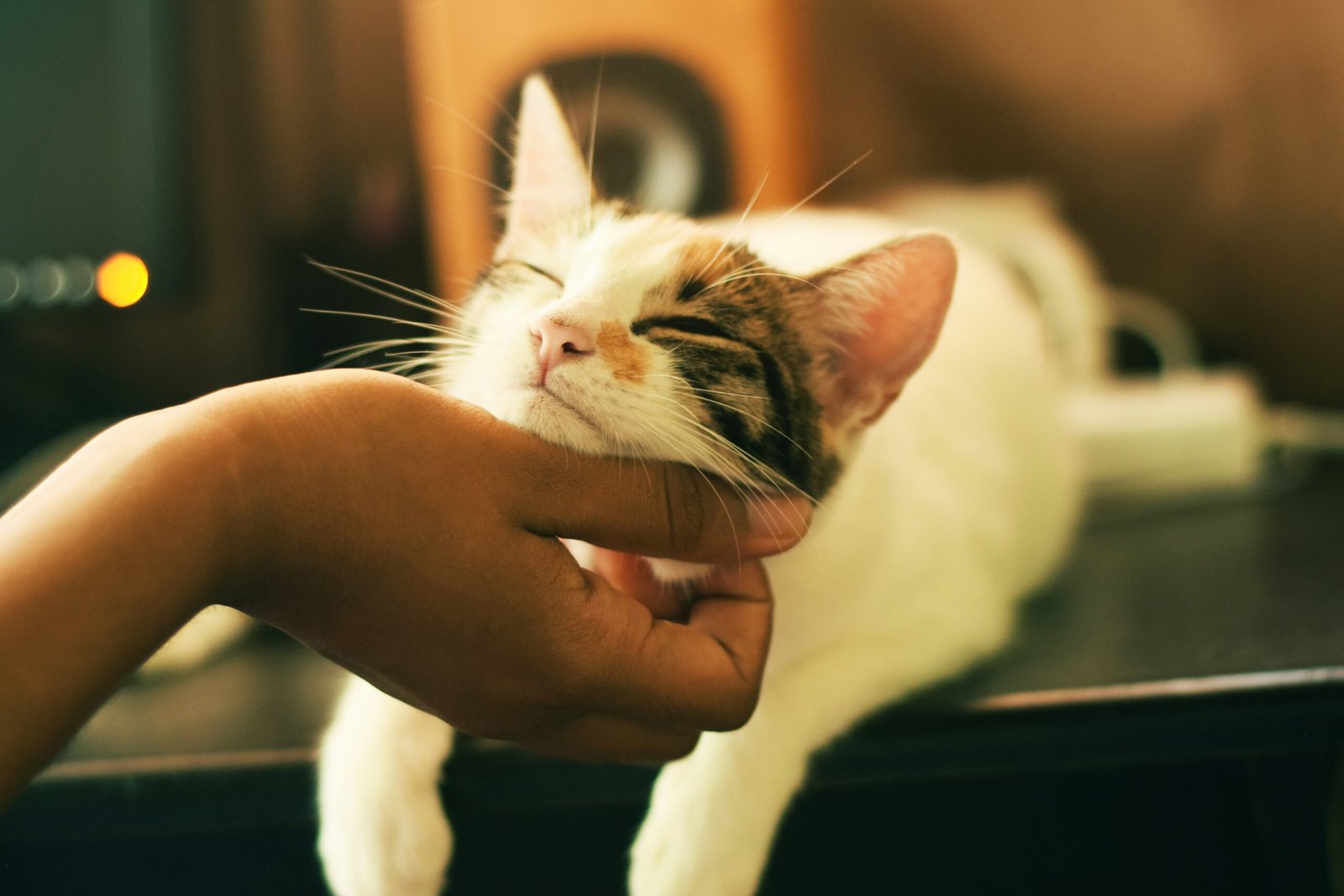
If you’ve ever watched your cat rhythmically push its paws into a blanket, pillow, your lap, or even another pet, you’ve probably wondered, why do cats make biscuits? Because the movement looks like a baker working dough before it goes into the oven, cat owners often call it “making biscuits.”
Although the behavior looks simple, kneading is one of the most fascinating actions in feline behavior and communication. It reflects millions of years of instinct, early kitten development, communication, comfort, and even emotional well-being. Some cats knead every day, while others rarely do it. Some purr loudly during kneading, while others become completely focused and silent. Every cat develops its own habits, but the reasons behind the behavior are surprisingly consistent.
Understanding why do cats make biscuits can help owners better understand their pet’s emotions, needs, and overall health.
What Does “Making Biscuits” Mean?
“Making biscuits” is an informal phrase for kneading—the alternating motion of a cat pressing one front paw and then the other against a soft surface.
During kneading, many cats also:
- Purr continuously.
- Close their eyes.
- Stretch their toes.
- Extend and retract their claws.
- Slowly relax their body.
- Rub their face against nearby objects.
- Curl their tail comfortably.
To people unfamiliar with cats, the movement may seem unusual. To feline behavior experts, however, kneading is considered one of the most natural behaviors a domestic cat can display.
The Behavior Begins in Kittenhood
One of the biggest reasons why do cats make biscuits is rooted in the earliest weeks of life.
Newborn kittens rely entirely on their mother for warmth, protection, and nutrition. While nursing, kittens instinctively press their tiny paws against their mother’s abdomen. This gentle pressure stimulates milk flow, making feeding easier.
Because nursing is one of the safest and most comforting experiences in a kitten’s life, the brain begins associating kneading with feelings of security and contentment.
Even after kittens are fully weaned, many never lose this instinct. Instead, they continue kneading throughout adulthood whenever they feel safe and relaxed.
This explains why adult cats often knead just before falling asleep or while sitting with a trusted owner.
A Sign of Comfort and Happiness
For most cats, kneading is simply a sign that they feel completely comfortable.
When a cat climbs into your lap, begins purring, and starts kneading your legs, it isn’t trying to hurt you. Instead, it’s displaying trust.
Cats are naturally cautious animals. In the wild, showing vulnerability can be dangerous. A cat that relaxes enough to knead around you is demonstrating that it feels protected.
This is one of the clearest answers to why do cats make biscuits—because they associate the moment with comfort, warmth, and emotional security.
Cats Also Knead to Prepare a Resting Spot
Long before cats became household pets, their wild ancestors often rested in tall grass, leaves, or soft vegetation.
Before lying down, they would press repeatedly on the ground to flatten plants and create a comfortable sleeping area.
Many animal behaviorists believe modern domestic cats have retained this instinct.
When your cat kneads a blanket, comforter, couch cushion, or pillow before lying down, it may simply be performing an inherited behavior passed down through countless generations.
Although your living room doesn’t require nest-building, your cat’s instincts haven’t completely disappeared.

Scent Marking Plays an Important Role
Cats communicate using scent marking in cats far more than people realize.
Special scent glands are located between their paw pads. Every time a cat kneads a surface, tiny amounts of scent are released.
Humans cannot detect these scents, but other cats certainly can.
This means kneading isn’t only about comfort—it can also serve as a way to mark territory.
When your cat starts kneading a soft surface or your lap, it may be trying to tell you something like this:
“This belongs to me.”
Rather than showing possessiveness in a negative way, this behavior reflects familiarity and security.
Why Do Cats Knead Their Owners?
Many owners wonder why their cat chooses to knead them instead of a blanket.
The answer usually comes down to emotional attachment.
Cats often reserve kneading for people they trust the most.
When your cat curls into your lap and begins kneading your legs or stomach, it is combining several comforting experiences:
- Physical warmth.
- Familiar scent.
- Relaxation.
- Bonding.
- Security.
This combination reminds the cat of the safety it experienced as a kitten.
In many cases, kneading your lap is actually considered a compliment.
Why Some Cats Purr While Kneading
Purring and kneading frequently occur together because both behaviors are associated with relaxation.
Scientists still debate every function of purring, but evidence suggests it serves multiple purposes.
Cats may purr when they are:
- Comfortable.
- Greeting someone.
- Nursing.
- Recovering from stress.
- Experiencing mild pain.
- Seeking attention.
When kneading and purring occur simultaneously, they usually indicate deep contentment.
It’s one of the strongest signs that your cat feels safe in its environment.
Why Cats Knead Blankets More Than Other Objects
Soft materials often trigger kneading more than hard surfaces.
Common favorites include:
- Fleece blankets.
- Wool throws.
- Plush pillows.
- Soft sweaters.
- Heated blankets.
- Beds.
- Thick comforters.
These textures resemble the warmth and softness of their mother’s fur during early life.
Because of this association, many cats instinctively begin kneading almost immediately after touching certain fabrics.
Some owners even notice that a specific blanket becomes their cat’s favorite comfort object.
Is Kneading Different in Every Cat?
Yes.
Just as every cat has a unique personality, kneading behavior also varies.
Some cats knead daily.
Others knead only before sleeping.
Some use both front paws equally.
Others strongly favor one paw.
Some extend their claws.
Others keep them retracted.
Certain cats drool while kneading, especially if they become extremely relaxed. Although this surprises many owners, occasional drooling during kneading is generally considered normal if the cat is otherwise healthy.
Why Do Some Cats Never Make Biscuits?
Not every cat kneads regularly.
Several factors may influence this:
- Individual personality.
- Breed tendencies.
- Early socialization.
- Age.
- Past experiences.
A cat that rarely kneads isn’t necessarily unhappy.
Some express comfort in different ways, such as slow blinking, purring, gentle head bumps, following their owners, or sleeping nearby.
Like people, cats show affection differently.
Can Kneading Ever Be a Sign of Stress?
Most of the time, the answer to why do cats make biscuits is positive. Kneading usually reflects comfort, affection, or relaxation. However, like many animal behaviors, context matters.
Other cats will use kneading as a way of soothing themselves during stressful situations. If your cat has recently relocated, been introduced to new people and animals, or has had any recent veterinary visits or sudden changes to his routine he may be kneads as self-soothing behavior to make himself feel safer in his new surroundings.
Overall, pay attention to the full context. If your cat’s kneading is accompanied by purring, eating normally, grooming, or otherwise acting normally then you have very little to worry about. If his kneading occurs in combination with hiding, refused to eat, meowing excessively, or any sudden shifts in behavior you may want to discuss them with your veterinarian.
Why Do Some Cats Knead and Bite Blankets?
Most cat owners will notice another unique quirk about their furry little friends. Does your feline associate comfort and security by kneading a blanket as it nibbles or even suckles on it? When cats knead during these periods, they’re reminding themselves of their first memories.
Kneading begins during kittenhood while nursing, which is why many cats continue the habit as a sign of comfort and relaxation.
Plush toys or a fleece blanker will bring back those fond memories. This blanket sucking generally shouldn’t concern you unless your cat is continuously chewing fabric or swallowing pieces of thread, in which case, visit your veterinarian right away since ingesting the item can cause a bowel obstruction.
Why Cats Knead Before Sleeping
When you see your cat preparing to go to sleep, no doubt you notice the process: walk back and forth, smell at the blanket, paw at the carpet (or wherever they’re settling in), hop in, and curl into a tight bundle to get some shut eye. That whole scenario is just a part of a whole sequence of events related to cats-it’s about nesting and security. While it helps them make the bed more to their liking, kneading may be a signal that the bed or the space feels secure enough.
And because most cats are a little hesitant of danger, there’s an entire selection process involved with places for them to sleep.
Many indoor cats continue their pre-sleep kneading ritual.
Should You Stop Your Cat from Kneading?
In most situations, no.
It is a completely harmless, natural instinct for cats to demonstrate security and comfort through Kneading. In an attempt to Punish this behavior could leave your cat confused and lead to resentment. It will lead to a lost of Trust The most we can do to address the issue is not necessarily stopping their behavior as they have not necessarily done any wrong, but addressing the issue, e.g.
Keeping their nails trimmed, placing a comfy blanket on your lap when they will be around you etc.
No yelling, shoving of your cat as they can’t & don’t usually understand that there is something wrong with acting on instinct.
Can Breed Influence Kneading?
While we all know every cat is unique and will be more prone to knead regularly (regardless of their breed), there are a few anecdotal observations that seem popular. According to owners of various breeds and cat enthusiasts, cats that are more naturally affectionate and owners as central in their life – like Ragdolls, Burmese, and Siamese, – will be more vocal when they knead and knead for longer durations than more independent and aloof cats. However, there is little scientific study about the differences between breeds, and this fact alone suggests the environment and past environment of your feline should more or likely play a part in their knead frequency!
Common Myths About Cat Kneading
Due to how popular kneading is amongst cats there are numerous myths which have popped up over the years. • That kneading is just something kittens do: This is totally untrue as many perfectly healthy adult cats still knead throughout their life. • That kneading always indicates that a cat is hungry: The vast majority of adult cats that knead on people aren’t actually looking for food but rather something else and this usually only happens between mother cats and their kittens while feeding them. • That kneading shows an adult cat dominance: This theory isn’t commonly held by cat behaviour specialists and is not the usual behaviour when it comes to your fluffy house panther.
Understanding Your Cat’s Body Language
Kneading is simply not the only aspect to the way a feline communication. Keeping a look on additional body language signs can provide a lot clarity toward in case a cat truly feelings at ease with individuals to him. If your relaxed kitty begins to knead, look for indications of slower eye movements, forward-facing ears, a mellow waggingtail, soft wh
Expert Perspective
There is quite a bit of agreement among feline behavioral experts that kneading is a natural and functional feline behavior with several likely purposes, not just a one-size-fits-all theory but rather several interacting causes. Those interacting causes include kittenhood history, inherited genetic behavior patterns, olfactory signalling (communication with scent), and comfort. Each individual episode may have a somewhat unique reason for occuring-a cat on her favorite bed blanket purring a hole in the material might be creating her “nest” for the evening whereas the same cat kneading the lap of her human counterpart is establishing or reinforcing a social bond. That variety is another factor making kneading one the fascinating subjects of feline behavioral science.
Conclusion
So, why do cats make biscuits?The explanation is more complex than it first appears. Cats begin kneading as kittens, pressing their paws against their mother’s abdomen to encourage the release of milk during nursing. As cats mature, many continue kneading because it is associated with comfort, relaxation, and security.
Kneading may also help cats mark familiar objects with scent, prepare a comfortable resting place, or strengthen bonds with people they trust. Although every cat has its own personality, making biscuits is generally considered a positive sign that a cat feels safe and content.
Understanding why do cats make biscuits gives owners a deeper appreciation of their cat behavior and pet care. What looks like a simple rhythmic movement is actually a fascinating combination of instinct, communication, and emotional expression that has been passed down through generations of felines.
Frequently Asked Questions
1. Why do cats make biscuits on blankets?
Soft blankets resemble the warmth and texture associated with comfort during kittenhood. Many cats instinctively knead these surfaces before relaxing or sleeping.
2. Why does my cat make biscuits on me?
When a cat kneads your lap or chest, it usually indicates trust, affection, and a sense of security. Your cat feels comfortable enough to express a natural, calming behavior around you.
3. Is kneading normal for adult cats?
Yes. Many adult cats continue kneading throughout their lives. It is considered a normal feline behavior and is not limited to kittens.
4. Should I let my cat knead with its claws out?
Yes, although trimming your cat’s nails regularly can make kneading more comfortable. If the claws become painful, place a folded blanket between you and your cat rather than discouraging the behavior.
5. Why does my cat purr while making biscuits?
Purring and kneading often occur together because both behaviors are linked to relaxation, comfort, and positive emotional experiences.
6. When should I be concerned about kneading?
Kneading itself is rarely a problem. However, consult a veterinarian if it is accompanied by sudden behavioral changes, persistent fabric eating, signs of illness, or other unusual symptoms.