
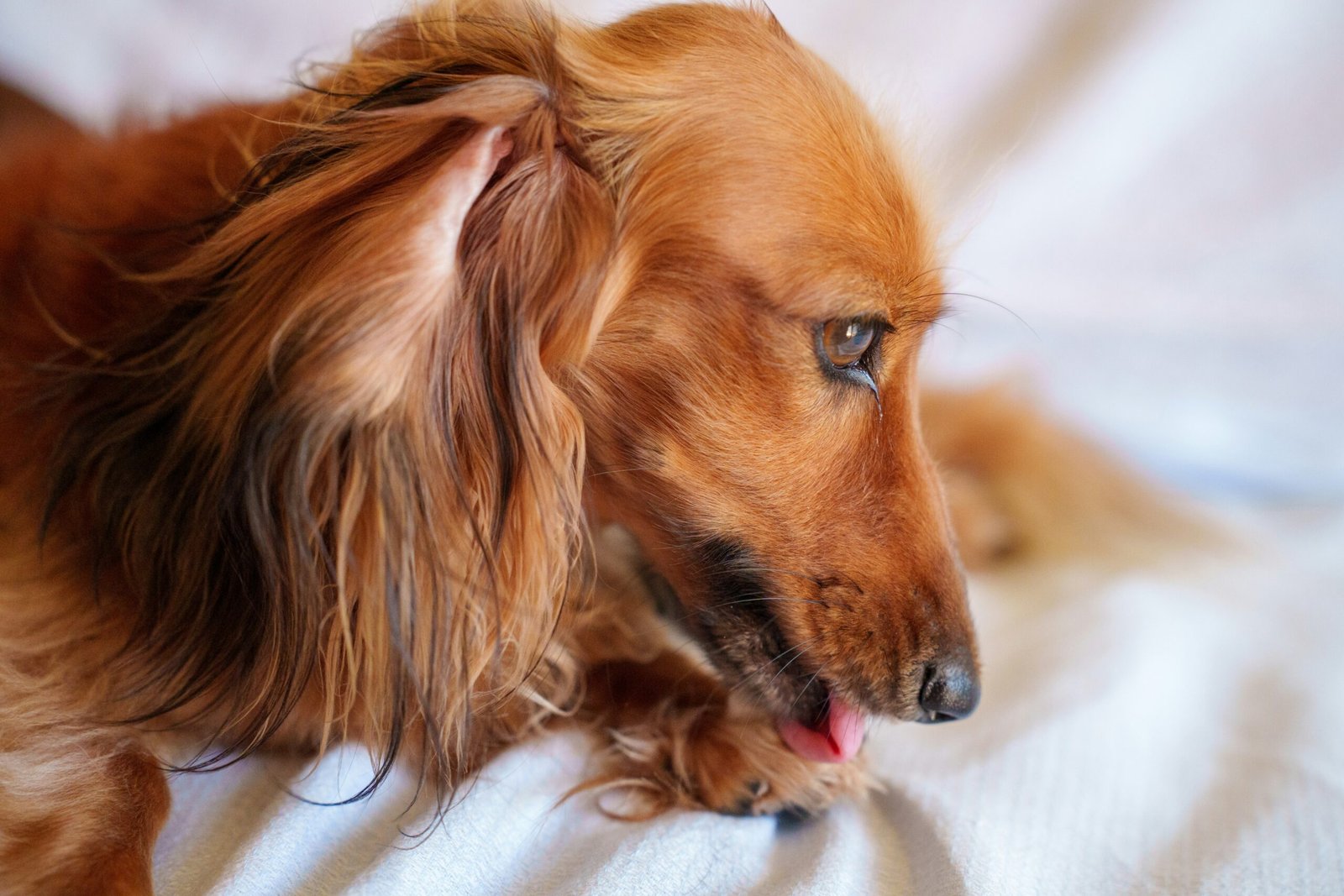
If you’ve ever been greeted by your dog with an enthusiastic shower of kisses, you’ve probably wondered, why does my dog lick me so much? While an occasional lick is a normal part of canine behavior, some dogs seem to lick their owners constantly. They may lick your hands, face, feet, or even continue licking long after you’ve tried to stop them.
Although many people interpret licking as a simple sign of affection, the behavior is often more complex. Dogs use licking as a way to communicate, explore their surroundings, express emotions, and interact with the people they trust. In some situations, frequent licking may even point to boredom, anxiety, or an underlying medical issue.
Understanding why does my dog lick me so much requires looking at your dog’s overall behavior rather than focusing only on the licking itself. Factors such as age, breed, environment, daily routine, and emotional state can all influence how often a dog licks its owner.
This guide explains the most common reasons dogs lick people, when the behavior is completely normal, and when it may be worth discussing with a veterinarian or animal behavior professional.
Licking Is a Natural Part of Canine Communication
Licking is arguably one of the oldest forms of dog communication. Even when they are first born, maternal canids spend time grooming and cleaning their new litter with licks, promoting healthy breathing and physical development. Throughout their time in the den, puppies lick each other to improve social bonds.
This behavior doesn’t diminish when puppies become mature adults either.
Many adult dogs utilize a little bit oflicking to diffuse awkward situations, convey friendly intentions or even form stronger connections to humans and other canids. This is precisely why dogs greet their families with a lick after they’ve been away for a period.
Affection Is One of the Most Common Reasons
One of the simplest answers to why does my dog lick me so much is affection.
Dogs form strong emotional bonds with the people who care for them. Licking may be one way they express excitement, comfort, trust, and attachment.
Many owners unknowingly reinforce this behavior by smiling, talking to their dog, petting them, or laughing whenever they receive kisses. To a dog, licking is often rewarded with attention, which encourages the behavior to continue.
Although affection is a major reason for licking, it is rarely the only explanation.
Your Dog May Be Gathering Information
Dogs experience the world primarily through smell, but taste also provides valuable information.
Our skin has residue of everything you use – sweat, your skin oils, bits of food, lotion, every smell from nature. The more youlick you give their masters – that’s another data point about where you went, what you handled, and even small changes in your body chemistry! Since dogs have the ability to smell at very high concentrations (it is called hyperosmia) even a small trace amount of the natural salty sweat your body produces would invite repetition. Licking helps dogs to perceive the world aound them.
Attention Can Become a Powerful Reward
Dogs quickly learn which behaviors produce results.
If licking consistently leads to petting, conversation, eye contact, or playtime, the behavior becomes rewarding. Even asking your dog to stop may provide the attention it seeks.
Over time, some dogs discover that licking is one of the fastest ways to get their owner’s focus, especially in busy households where attention is limited.
This learned behavior explains why some dogs lick more frequently than others despite living in similar environments.
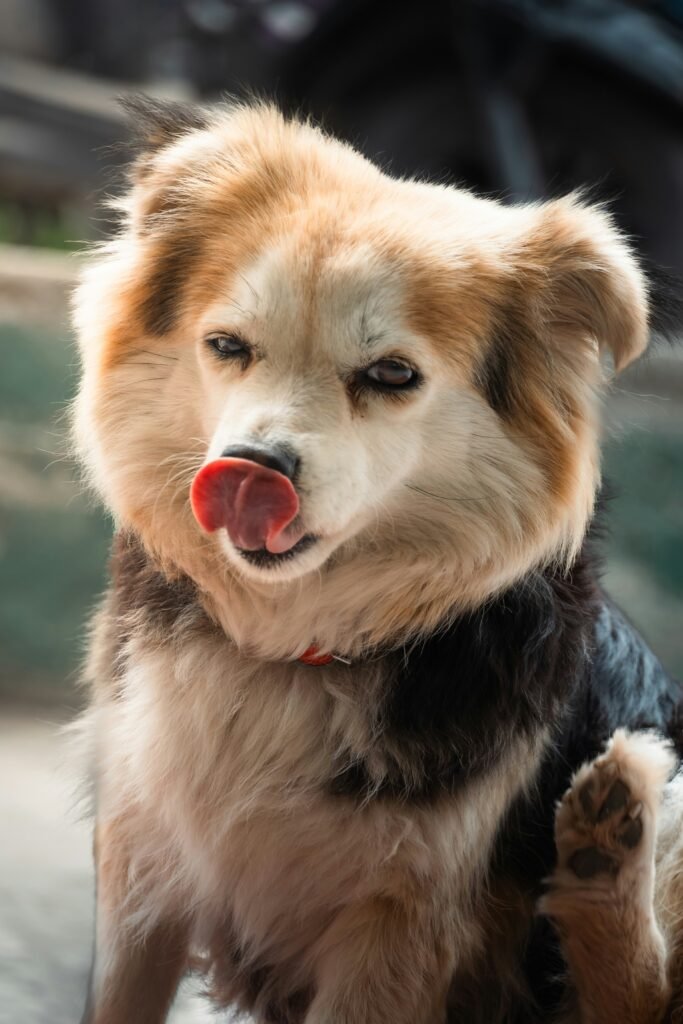
Stress and Anxiety May Increase Licking
Not every lick is a sign of happiness.
Some dogs lick excessively when they feel anxious, uncertain, or stressed. Changes such as moving to a new home, introducing another pet, loud noises, unfamiliar visitors, or spending long hours alone may trigger repetitive licking.
In these situations, licking may help the dog calm itself. Repetitive behaviors can sometimes provide temporary comfort during periods of emotional stress.
If licking suddenly increases alongside other behavioral changes, considering your dog’s emotional well-being is just as important as evaluating physical health.
Boredom and Lack of Mental Stimulation
Dogs require regular physical exercise and mental enrichment.
When they lack opportunities to explore, play, solve problems, or interact with family members, they may develop repetitive habits to occupy themselves.
Licking can become one of these habits, especially when dogs are not getting enough mental stimulation for dogs.
High-energy breeds are especially likely to benefit from activities such as obedience training, scent games, puzzle feeders, interactive toys, and daily walks. Increasing mental stimulation often reduces attention-seeking behaviors, including excessive licking.
Some Dogs Simply Enjoy the Taste
Human skin naturally contains salt produced through perspiration.
Many dogs find this salty taste appealing, particularly after exercise or during warm weather. Lotions, sunscreen, food residue, or scented products may also encourage licking.
Although taste alone rarely explains persistent licking, it often contributes to why dogs repeatedly lick hands, arms, or feet.
Breed and Personality Can Influence Licking
Every dog has its own personality.
Some breeds are naturally more people-oriented and physically affectionate than others. Individual temperament also plays a significant role.
While one dog may greet its owner with a wagging tail, another may combine tail wagging with enthusiastic licking. Neither behavior is necessarily abnormal.
Understanding your own dog’s normal personality helps determine whether its licking is simply part of its temperament or represents a recent behavioral change.
Could Excessive Licking Indicate a Medical Problem?
Sometimes it can.
If your dog suddenly begins licking you much more than usual, especially when accompanied by changes in appetite, energy level, or behavior, a medical issue should be considered.
Pain, nausea, dental disease, gastrointestinal discomfort, allergies, hormonal disorders, or neurological conditions can occasionally contribute to increased licking behaviors.
Although these conditions do not always cause dogs to lick people, they may increase repetitive oral behaviors in general.
Any sudden or dramatic change should be discussed with a veterinarian to rule out underlying health concerns.
When Does Licking Become Excessive?
For the typical dog, lick habits do increase and then subside through the day. It’s only when your dog’s licking starts to get intense where it interferes with his everyday activities or he appears incapable of stopping. When you find that your dog follows you from room to room only so he can lick your hand (even when redirected) or that the dog’s face needs a constant licking of you or people, you should look at other indicators.
Licking excessively often goes with behaviors such as pacing, whining, becoming fidgety, destructive behaviors or modifications to your dog’s sleeping patterns.
In general look for the complete behavior when trying to analyze why your dog licks.
If you’re wondering why does my dog lick me so much, paying attention to when the licking occurs can offer valuable clues. Does it happen after you return home, during stressful situations, or only when your dog is bored? Identifying patterns often makes the underlying cause easier to recognize.
Should You Stop Your Dog From Licking You?
Not necessarily.
Occasional licking is absolutely a normal way for dogs to talk and show you they love you. Most people love having this affection from there dog, it’s generally nothing you need to curb at all as long as every one is okay with it.
This behavior can get out of hand when it becomes excessive, spreads germs, becomes annoying and invasive, or turn into a fixation.
Instead of scolding your dog, choose exactly how much you wish the licking to take place and when you’ve had enough, just try to gently distract your dog to something else rather than overreacting. Be consistent with all family members – you cannot be loving when Fido licks but your spouse can’t tolerate it, or on one day you’ll allow it and the next you won’t, it will be harder to train.
Positive Training Works Better Than Punishment
Dogs learn most effectively through positive reinforcement dog training techniques.
Instead of scolding your dog every time it licks you, teach an alternative behavior that earns praise and rewards. For example, ask your dog to sit before greeting you or reward calm behavior with treats, toys, or attention.
If your dog begins licking excessively, quietly stand up, step away, or redirect it toward a favorite toy. Once the licking stops, reward the calm behavior.
Over time, your dog learns that remaining calm produces better outcomes than excessive licking.
This approach not only reduces unwanted behavior but also strengthens the trust between you and your pet.
Mental and Physical Exercise Make a Difference
Many behavior problems improve when dogs receive enough daily activity explore more pet wellness guides in our Pet Care page.
Regular walks, games of fetch, scent work, agility exercises, and obedience training provide healthy outlets for both physical energy and mental stimulation.
Interactive puzzle toys can also keep dogs occupied when owners are busy. Food-dispensing toys encourage problem-solving and reduce boredom, making attention-seeking behaviors less likely.
For many active breeds, increasing daily enrichment significantly reduces repetitive licking.
Hygiene Considerations
Although most healthy dogs carry bacteria in their mouths that rarely cause problems for them, owners should still practice good hygiene.
Avoid allowing your dog to lick open cuts, surgical wounds, or sensitive areas of the face. Individuals with weakened immune systems should be especially cautious because animal saliva can occasionally transmit bacteria.
Washing your hands after prolonged licking and discouraging licking around the eyes, nose, or mouth is a sensible precaution.
These hygiene measures do not mean dogs are “dirty.” They simply reflect good health practices for both people and pets.
When Should You Contact a Veterinarian?
While licking is usually harmless, certain situations deserve professional attention.
Schedule a veterinary examination if your dog:
- Suddenly begins licking much more than usual.
- Shows signs of pain or discomfort.
- Develops vomiting, diarrhea, or appetite changes.
- Loses weight unexpectedly.
- Licks obsessively despite training efforts.
- Shows anxiety or behavioral changes that continue to worsen.
A veterinarian can perform a physical examination and determine whether allergies, digestive disorders, dental disease, skin conditions, or other medical problems may be contributing to the behavior.
If no medical cause is found, a certified animal behavior professional may help develop a personalized training plan.
Common Myths About Dogs Licking People
Many myths surround canine licking.
Here’s what I know; a widely shared theory about the reason for all licking is that dogs want to show you they “love” you – in fact that this is one reason they do, but as it turns out these can also do so out of curiosity, habit, and tocommunicate, alleviate anxiety, or just because they simply “taste good.” Also… Contrary to popular opinion not all canine mouths are free of germs – some researchers, it’s stated, found evidence in their studies that dogs’ saliva actually includes antiseptic agents that would be good for the mouth, as a well as more…
It’s just an ingrained behavior-no you don’t simply dismiss this as an act of excessive attention; an unexpected spurt in licking could even signal extreme anxiety or poor physical health-if something about the behavior suddenly causes concern to you.
Understanding these misconceptions helps owners respond more appropriately to changes in their dog’s behavior.
Building a Stronger Relationship With Your Dog
Learning why does my dog lick me so much can actually strengthen your relationship with your pet.
Rather than viewing licking as simply a habit to stop, consider it another form of communication. Your dog may be expressing excitement, seeking reassurance, asking for attention, or simply enjoying time with you.
Responding calmly, providing regular exercise, maintaining consistent routines, and using positive reinforcement create an environment where healthy behaviors naturally develop.
The better you understand your dog’s communication, the easier it becomes to recognize when something changes.
Conclusion
If you’ve been asking why does my dog lick me so much, the answer is rarely limited to a single reason. Dogs lick to express affection, communicate, explore their environment, seek attention, relieve stress, and sometimes because they enjoy the salty taste of human skin. For most dogs, occasional licking is completely normal and reflects the close bond they share with their owners.
That doesn’t mean you should simply ignore licking — particularly if it happens suddenly or excessively, it may be indicating anxiety or a need to be entertained or even a underlying medical issue that requires investigation.
Ultimately, understanding why does my dog lick me so much helps you respond in ways that support both your dog’s well-being and your relationship together.
Frequently Asked Questions
1. Why does my dog lick my face so much?
Dogs often lick faces as a sign of affection, greeting, or social bonding. Some are also attracted to the scent or taste of your skin.
2. Is it normal for my dog to lick me every day?
Yes. Daily licking is normal for many dogs as long as it is not obsessive or accompanied by other concerning behavioral or medical signs.
3. Why does my dog lick my hands after I pet them?
Your hands carry scents from food, other animals, and the environment. Dogs often lick them to gather information or continue social interaction.