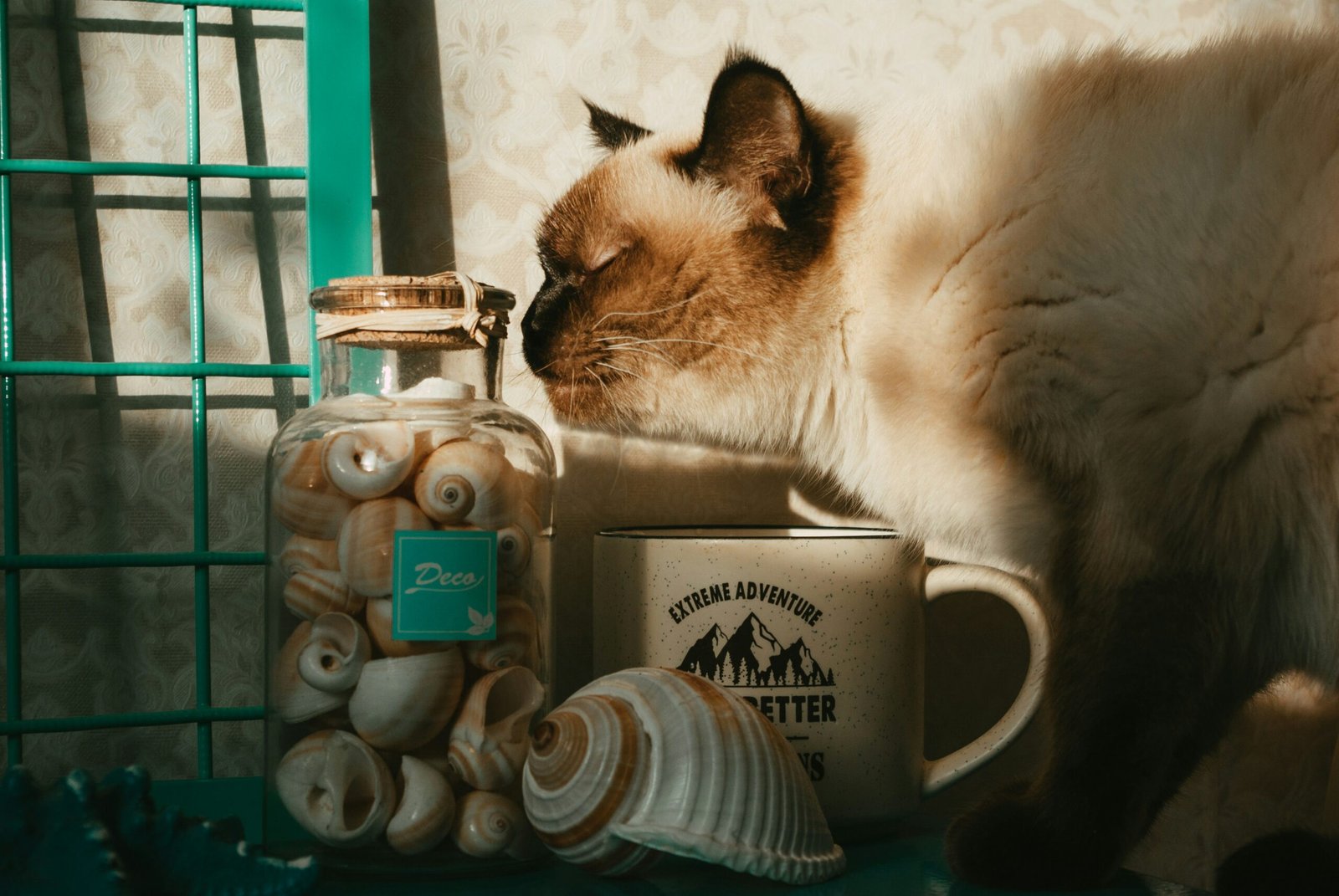
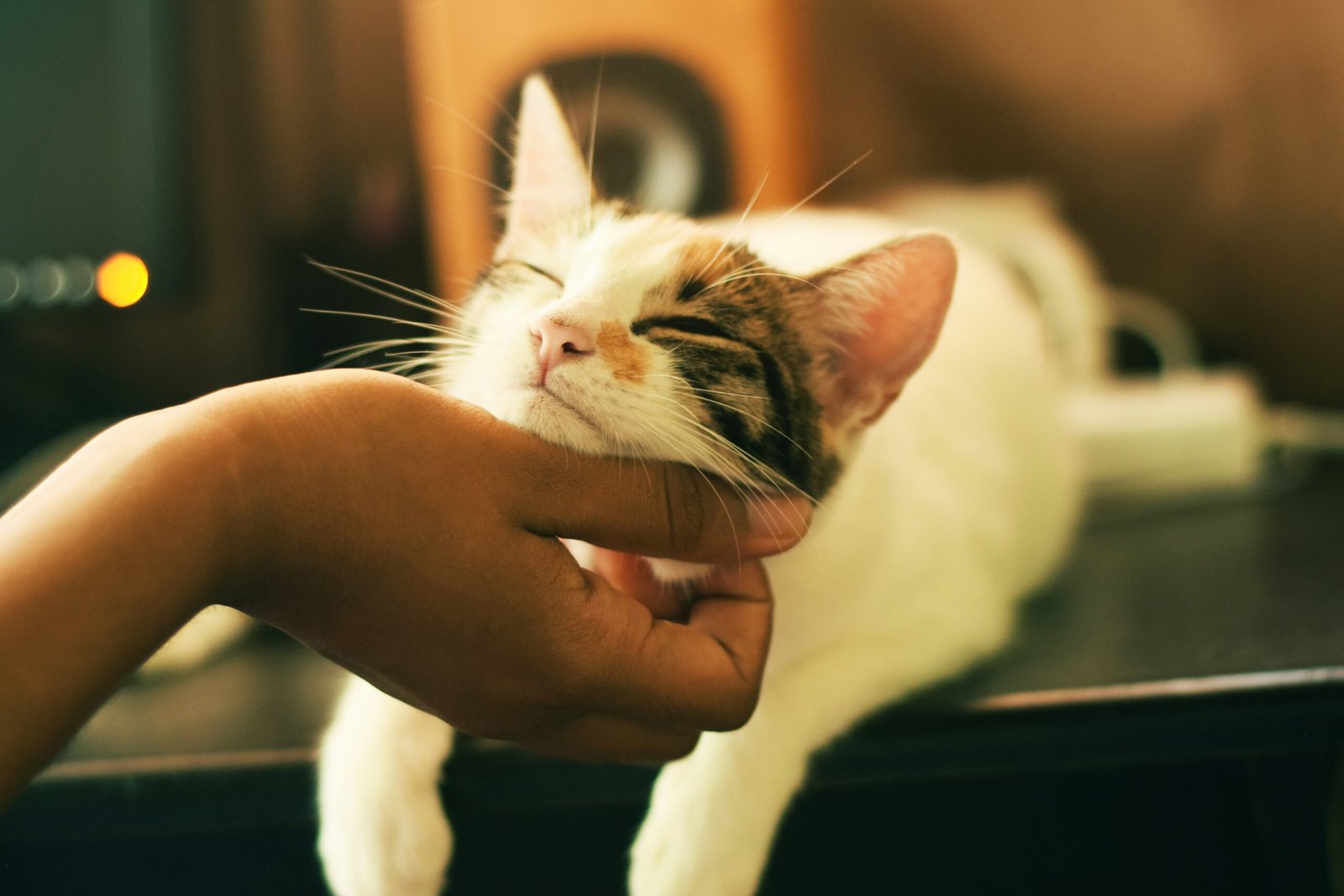
Among the myriad sounds in the world, few create the same immediate sensation of calm as the smooth purr of a cat. Whether it’s the vibration that surrounds a kitten in its mother’s arms, or the one that radiates from a feline settling onto a person’s warm, inviting lap, such noises communicate bliss. Yet despite centuries of living alongside humans, scientists continue to study exactly why do cats purr and what this unique behavior truly means.
It is generally understood that whenever cats purr they are content. However, it has been revealed by scientists that this isn’t actually so. If you’ve ever wondered why do cats purr, the answer goes beyond simple satisfaction.As every cat owner likely knows, cats don’t only purr because they’re content or having a nice stretch on the windowsill. Many cat owners have reported observing that their pets are purring after injuries, during unpleasant vet appointments and in the midst of childbirth-pretty complicated for such a seemingly simple expression.
Such varied circumstances have prompted scientists to consider whether there might be other motivations-both biological and behavioral-behind our felines’ rumbling – asides of only joy. Knowing more about why cats purr could really help us all understand when they feel comfortable and when they’re struggling just by listening. If you’ve ever asked why do cats purr, it’s important to know that a purr does not always signal happiness.
Don’t think of each and every purr as simply reflecting your cat’s desire for adoration; in context with your cat’s body language, environment, and the context of the moment, these gentle rumbles may reveal a different agenda. For example, understanding your cat’s purr can help owners better know whether he is asking for reassurance or love, rather than expecting an attentive pet or vet on duty! In this guide, let us go into how felines create such beloved music, leading theories as to its purpose, its many forms of expression, and how to read that one characteristic cat expression better.
The Mystery Behind a Cat’s Purr
Cats Purr: It’s Not Just Happiness The signature rumbling we so intimately associate with feline affection is quite unlike a dog’s bark, a bird’s tweet, or a cat’s plaintive meow. It emanates through purring: a constant, low-frequency vibration that comes through when the animal breathes in or out, resulting in one long continuous rumble. Though scientists have analyzed it for decades, only recently have researchers agreed there is no one sole reason a cat is purring at any given time.
Their current thinking is that cats evolved purring as a communication mechanism for a variety of situations during a cat’s lifetime.
Whether for a newborn kittens communicating with their mother, stressed out adults making amends with another cat, the tool is used in many contexts. Interesting to note, happy healthy, neurotic cats, injured cats, even dying cats have been observed purring so clearly, it is certainly more then just indicating joy.
How Do Cats Produce a Purr?
The precise workings are not fully understood by researchers but scientists’ understanding to date centers on a cat’s larynx (voice box), muscles in the throat and electrical activity from the cat’s brain.
The process works roughly like this:
- The brain sends rhythmic signals to muscles surrounding the larynx.
- These muscles rapidly contract and relax many times per second.
- The vocal folds vibrate as air passes through during both inhalation and exhalation.
- These vibrations create the continuous humming sound recognized as a purr.
Whereas yowls only manifest during exhalation, purring happens during the cat’s complete respiratory cycle, resulting in the rhythmic cadence of their low-frequency purr. Researchers have identified those frequencies as falling into the range believed to impact muscles, bones and tissues in biologically advantageous ways, although a definitive medical link has yet to be proven and research is ongoing.
The Most Common Reason: Contentment and Comfort
When people ask why do cats purr, the first answer is often the correct one—many cats purr because they feel safe, comfortable, and relaxed.
A content cat may purr while:
- Sleeping beside its owner
- Being gently stroked
- Sitting in a warm sunny window
- Resting after a meal
- Curled comfortably in a favorite bed
Purring during these instances is frequently seen with non-threat displays like half-closed eyes, relaxed muscles, slow blinking, kneading with the paws, or even the flicking of an tail. Veterinarians who concentrate on behaviour often theorize this’ purring’, helps to forge strong connections involving the cat plus the reliable human and many also educate feline pals it will bring you positive feedback on their own behaviour (like pets!).
Purring Begins in Kittenhood
There is only one kind of sound a kitten ever makes that does not involve a squeak or meow that seems remarkably out of place – its purr. A kitten is born blind as well as deaf, so communication with its mom during the first few weeks of life is particularly crucial.
Amazingly enough, within just days of being born the Kittens begins to purr while nursing; the thrum mingles with kitten snuffles to create their own unique purring soundtrack, while in exchange mama cat purr at kitten purr and other cats purr, which sounds too soft to alert any lurking predators. As early in a kitten’s life as it uses a purr, many observers would reason that this phenomenon was adapted first for communication between mother and kittens before its general adult signaling use developed.
Purring as a Form of Communication
Cats communicate in remarkably subtle ways. Their tails, ears, whiskers, posture, facial expressions, scent marking, and vocalizations all contribute to conveying information.
Purring is one piece of this larger communication system.
Adult cats often purr to interact with:
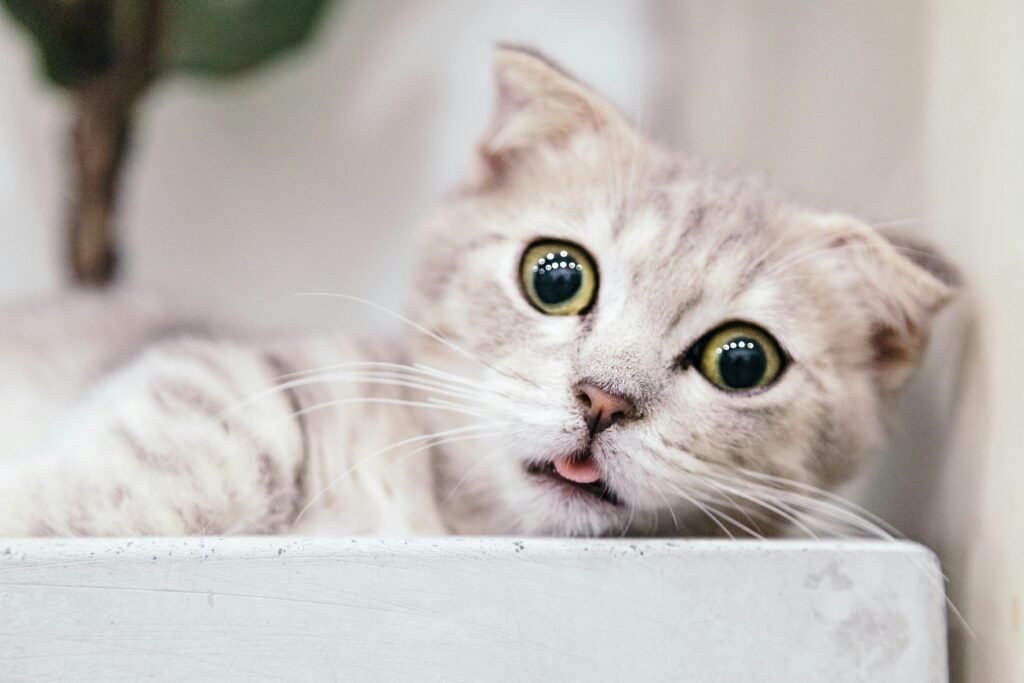
Their Owners
Many cats greet familiar people with a combination of purring, rubbing against their legs, and raising their tails. Together, these behaviors communicate friendliness and trust.
Other Cats
Cats, being adults for the most part, do tend to be somewhat less communicative of each other than they are with their human companions – nevertheless, when cats have built an excellent relationship with each other they could well have happy purring together, whether that is in between grooming sessions, when resting on each others, or snuggling when resting at the same time.
Mother Cats
Even after kittens grow, it’s still used for social signaling in much the same way as it is in infancy-to show contentment and good company. According to most cats experts it isn’t language or words per se; it’s a comfort to have their companion to know that things are alright and it indicates we both feel safe in partnership.
Why Do Cats Purr When They’re Scared or Stressed?
One of the biggest surprises for many owners is discovering that cats don’t reserve purring for happy moments.
Veterinarians frequently observe cats purring during:
- Medical examinations
- Recovery after surgery
- Transportation in carriers
- Encounters with unfamiliar animals
- Painful injuries
- Childbirth
At first glance, this seems to make no sense-why would a scared or painful cat make the exact sound that indicates calm? Behavior experts suggest it’s a coping mechanism. “In the context of fear or pain, rhythmic vibrations could provide calming sensations,” the American Society for the Prevention of Cruelty to Animals explains.
Like repetitive motions do for people, it can help the cat manage difficult emotion.
Of course, it is not something one should evaluate alone. Scared purr: It goes together with back ears, wide pupils, tucked posture and a desperate effort to disappear.
Can Cats Purr When They’re in Pain?
One of the oddities of cat behavior is that cats often purr even when experiencing discomfort and/or pain or they feel afraid/stressed out or traumatized. We are not certain how this helps them-we are fairly sure purring do not have anything to do with pain relief, but not that it necessarily means our cat feels any sense of relief or is happy. We think purring might be nature’s little helper for our felines, enabling them to cope better with the physiological and psychological stress related to pain, illness, and injury.
We’ve all heard stories about injured or sick cats purring during rest; owners need to monitor any other sign they notice like lower or lack of appetite, hiding behavior, the cat’s posture and the way it moves, fatigue, nausea and vomiting or problems with breathing.
Could Purring Help Cats Heal?
Perhaps the purr acts on certain parts of the body in other ways.
The frequency at which our pet feline typically purrs is known to have beneficial effects when applied to bone, muscles, tendons, ligaments and all of those connective bits in a therapeutic setting. Many scientists theorise that cat purrs may help keep cats’ muscles well-conditioned during long periods of immobility or help to keep injuries healthy while the cat recovers from one.
Although, as scientists are always the first to remind us, having evidence that we think is supporting something. So we aren’t sure whether our cats actually speed up the rate of their injury healing processes and actually help the body to heal. We don’t have much evidence, either.
Whatever reason our wonderful pets perform their gentle mechanical song for, the potential of purring to work on two levels-communication and physical health- is still very interesting to hear about from our feline friends.
Different Types of Purring
Not every purr sounds exactly the same.
Experienced cat owners often notice subtle differences depending on their pet’s mood and circumstances.
The Relaxed Purr
This is the gentle, steady vibration most people associate with a comfortable cat resting quietly beside them.
It usually appears alongside:
- Slow blinking
- Soft body posture
- Kneading
- Half-closed eyes
- Gentle stretching
The Attention-Seeking Purr
Certain cats make a deeper, more insistent purr to beg for their food, cuddles, attention or play. Scientists have noted a so-called “solicitation purr” with a bit of additional, higher frequency wailing that could even be geared toward coaxing their owner’s sympathy.
The Stress Purr
A stressed out cat might have a purring vocalization of a quieter and more incessant kind when you are visiting your veterinarian or are at an unusual place. For purposes of purring communication, one needs to be more adept with the body language.
Why Some Cats Purr More Than Others
If you’ve owned multiple cats, you’ve probably noticed that some seem to purr constantly while others rarely do.
Several factors may influence this difference.
Personality
Confident, affectionate, and social cats often purr more frequently around people they trust.
Breed Differences
Although every individual cat is unique, some breeds known for their sociable nature—such as Ragdolls, Burmese, and Maine Coons—are often described by owners as frequent purrers.
Environment
Cats living in calm, predictable homes may display relaxed behaviors, including purring, more often than cats experiencing chronic stress.
Individual Communication Style
Like cats, like their owners, they have their preferred vocal languages or body parts. They meow, they purr, they twist.
Do All Cats Purr?
Like Most Cats Purr, But the Mannerism Is the Only Commonality For the most part, purring is a capability of all housecats. Big and small, but big is complicated … (also a part). For smaller, wild housecats-like bobcats, lynxes, servals, and cheetahs-purring comes easy.
Big guys are more complicated: Though the big four-lions, tigers, leopards, and jaguars-are renowned for their iconic roar, it seems to come at a cost: They can’t generally make the type of continuous purring sounds that housecats achieve at every given inhales and exhales.
They are capable of creating purr-sounds, sometimes with a limited degree of purr. Some argue that it’s anatomically too demanding to roar and purr the same way.
Common Misconceptions About Cat Purring
Despite being one of the best-known feline behaviors, several myths continue to circulate.
Myth 1: Cats Purr Only When They’re Happy
Reality: Happiness is only one possible explanation. Cats also purr when anxious, frightened, injured, or seeking comfort.
Myth 2: A Purring Cat Never Needs Veterinary Care
Reality: Ill or injured cats may continue purring despite serious health problems. It’s important for owners to assess their cat’s behavior and overall physical health.
Myth 3: Every Cat Purrs the Same Way
Reality: The volume, rhythm, and frequency of purring vary considerably between individual cats.
Myth 4: Loud Purring Always Means Greater Happiness
Reality: Some cats naturally produce louder purrs than others. Volume alone doesn’t accurately measure emotional state.
How to Tell What Your Cat’s Purr Means
Instead of focusing only on the sound itself, consider the entire situation.
Ask yourself:
- Is your cat eating normally?
- Does it appear relaxed or tense?
- Are the ears forward or flattened?
- Is the tail loose or tucked?
- Is the cat seeking attention or hiding?
- Has its behavior changed suddenly?
Seeing these combined symptoms paints a picture that is much more vivid than a simple purr. For instance, a cat curled beside you after a meal on an evening, with a loose, sprawled posture might indicate a feeling of comfort, safety and relaxed confidence. On the other hand, one trying to hide beneath the sofa bed while Purring and ignoring the feeding schedule, would be far less likely to be feeling cheerful.
When Should You Be Concerned About Purring?
Purring itself is not a medical problem, but changes in purring behavior can sometimes indicate that something is wrong.
Contact your veterinarian if your cat is purring while also experiencing signs that may require veterinary emergency care.
- Loss of appetite
- Difficulty breathing
- Sudden lethargy
- Persistent vomiting
- Limping or signs of injury
- Noticeable weight loss
- Difficulty using the litter box
- Major changes in personality or activity level
A veterinary examination can determine whether the purring is simply part of normal behavior or associated with an underlying health condition.
Understanding context is the key. A healthy, relaxed purr is very different from a purr accompanied by signs of pain or illness, and following healthy pet care habits can help owners recognize when normal behavior changes require attention.
Conclusion
The question “why do cats purr” has fascinated pet owners and scientists for generations, and the answer is more nuanced than many people realize.Although purring has always been considered a sign of affection, it turns out to be another useful communication method and could even be used to help the feline alleviate his feelings of stress, fear, pain or a possible injury. This behavioral reflex appears at birth, with the arrival of the first kitten, until they live an old age to give cuddles. If only there was a clear translation to a good purring!
Modern science recognizes that cats purr for many reasons, rather than for one single purpose, and understanding feline behavior helps explain these complex forms of communication.
All these explanations are consistent because cats vary purr behaviour depending on what they are experiencing.” For example, you may see cats that will feel pleased laying on an air warm balcony, while a purring cat to his the vétérinaire might seem happy, in the same way as the one that he would feel pleased receiving care in their favorite armchair, the opposite of a scared one…
Because of this reason, vets and feline experts suggest observers not to pay attention to the sound but also to their body expression, their habits, appetite, and activity. If the kitty continues to be as active and eating as us all, we could possibly think there is no need to “interpret” each purr, but also to “listen” to what our pet is feeling, just to check his activity patterns to see if there’s anything to worry about…
Purring in all cases strengthens relationships, it helped them survive from their infancy and to establish their family bonds. It helps them expressing confort, joy, affection, and is even useful for easing them during tough situations.
Frequently Asked Questions
1.What Does It Mean When a Cat Purrs While You Pet It?
Typically cats do purr when you are petting them as this shows that the cat trusts and is contented at the level that you are petting them and they are enjoying the moment of petting. Physical affection or touch can help in solidifying your feline’s trust. Nevertheless, we all know, not all of the feline species love to be petted at every area of their furry body, every cat has their personal choices.
2. Why do cats purr while sleeping?
Cats often continue purring as they drift off to sleep or while resting because they are relaxed and feel secure. Light purring during rest is generally considered a normal behavior in healthy cats.
3. Do cats purr only when they’re happy?
No. Although happiness is one of the most common reasons, cats also purr when they are anxious, frightened, injured, recovering from illness, or seeking comfort. The surrounding circumstances and body language provide a better indication of what the purr means.
4. Why do kittens purr?
Just a few days after birth, kittens begin to purr. Purring helps them communicate with their mother during nursing and allows the mother cat to locate and reassure her young.
5. Can sick cats still purr?
Yes! Whether sick, in pain, or undergoing a new treatment; they may continue their purr while requiring attention. Contact a veterinarian if they show any additional signs that could suggest they need professional help. Signs include anorexia/poor appetite, increased effort or difficulty breathing, lethargic or depressed activity, vomiting or regurgitation, and changes in their normal demeanor.
Are Lions and Tigers Able to Purr?
Lions, tigers, and many of the other roaring members of the cat species are not able to achieve the sustained purring sound of house cats, though many may be able to make somewhat related sounds at certain times.
7. Is a loud purr a sign that a cat is happier?
Is a very loud purr equal to a happy cat? No not always. All cats purrs are different in amplitude (sound volume) so not all really happy kitties give that much for volume.