
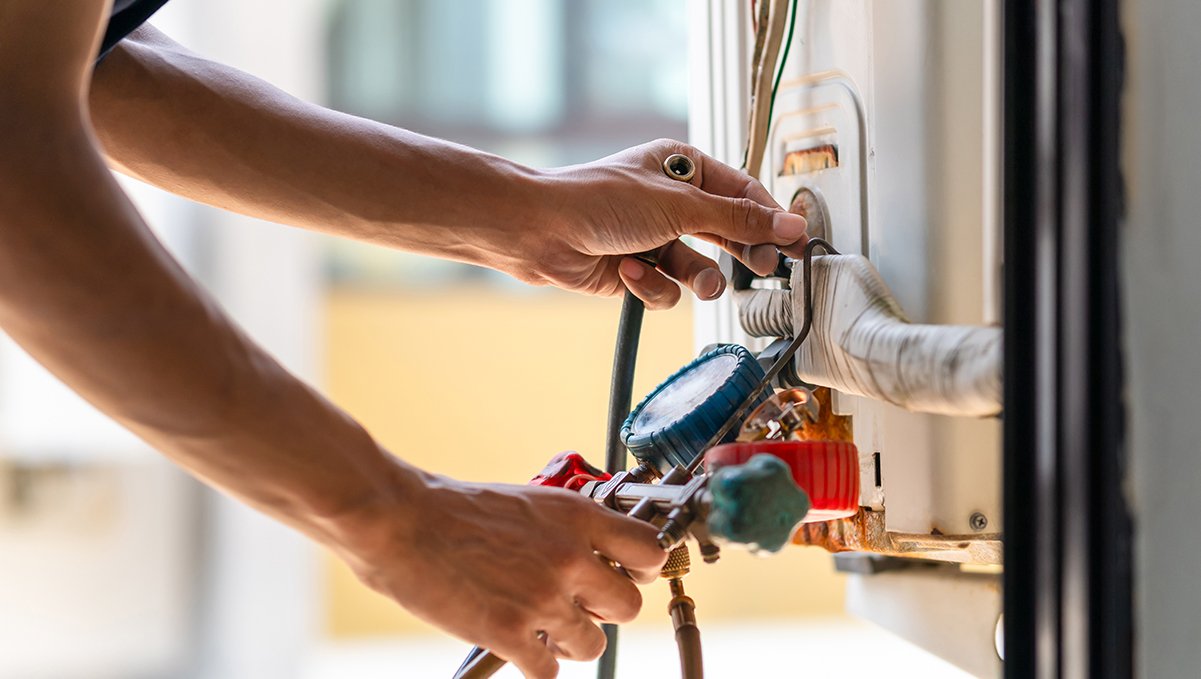
A central heating system is crucial for maintaining comfort during colder months, and early detection of issues can prevent breakdowns and costly repairs. Subtle changes in system performance often indicate that maintenance is needed. These signs may include uneven heating throughout the home, fluctuating temperatures, or longer cycles to reach desired warmth. Strange sounds, such as banging, clanking, or whistling, from the furnace or radiators may indicate mechanical stress or trapped air in the system. A sudden increase in energy bills can also be a warning that the system is operating inefficiently. Observing these initial warning signs allows homeowners to schedule maintenance before minor problems escalate into more significant failures that could disrupt household comfort.
Recognizing Initial Warning Signs
- Monitoring Performance and Efficiency
Monitoring the system’s performance over time helps identify patterns indicating maintenance is required. Reduced airflow, slower heating, or unusual temperature differences between rooms may indicate issues such as clogged filters, malfunctioning blowers, or blockages in the ductwork. Visual inspections can also reveal signs of wear, such as rust on pipes, leaks in the heat exchanger, or discolored flames in gas furnaces. Even irregular thermostat readings can indicate that components are not responding properly. Maintaining awareness of these indicators allows homeowners to take proactive steps. Regular service of Central Heating systems ensures that minor problems are corrected before they impact efficiency or safety, reducing the risk of unexpected failures during peak usage periods.
- Unusual Noises or Odors
Strange noises or odors coming from the system often signal internal issues that require attention. Clanging, popping, or buzzing sounds can indicate loose or failing components, air in the system, or thermal expansion problems. A burning smell may suggest dust accumulation on heating elements, while a gas-like odor could indicate a leak in fuel-powered systems, which requires immediate attention for safety reasons. Any unusual sound or scent should be investigated promptly, as ignoring these indicators can lead to more severe damage or hazardous conditions. Technicians can identify the source of the problem and recommend cleaning, repairs, or component replacement to restore safe and reliable operation, helping maintain consistent heating performance throughout the home.
- Checking Airflow and Heat Distribution
Inconsistent airflow or uneven heat distribution is another early indicator that the heating system may need maintenance. Cold spots in certain rooms or ducts that remain cooler than others can indicate blockages, duct leaks, or blower motor issues. Reduced airflow can strain the system, forcing it to work harder, increasing energy costs, and accelerating wear on key components. Homeowners may also notice that the system takes longer to reach the desired temperature or cycles more frequently than usual. Prompt inspection of airflow and distribution by a technician ensures that the system operates efficiently and maintains balanced heat throughout the home, preventing discomfort and extending the lifespan of the heating components.
- Inspecting Components and Connections
Routine inspection of the system’s components can reveal early signs of potential failures. Worn belts, corroded connectors, or loose wiring can impair operation and pose safety risks. Similarly, the buildup of dust, debris, or mineral deposits on heat exchangers, burners, or coils can reduce efficiency and affect indoor air quality. Identifying these issues early allows for cleaning, tightening, or replacing parts before they cause a breakdown. Inspecting connections and mechanical elements is particularly important for older systems, where wear and tear accumulate over time. Timely maintenance of these components helps prevent costly repairs, improves system efficiency, and ensures that the heating system continues to provide reliable warmth throughout the colder months.
- Monitoring Safety Features
Safety features such as limit switches, pressure valves, and carbon monoxide detectors are critical in maintaining a secure heating system. Malfunctioning safety mechanisms can pose serious risks if the system overheats or leaks combustible gases. Early signs of compromised safety include frequent system shutoffs, irregular flame patterns, or pilot lights that fail to ignite properly. Regular testing and monitoring of these safety components ensures that they function correctly and protect both the household and the system itself. By addressing safety concerns early, homeowners can prevent accidents, improve reliability, and maintain confidence in the system’s operation, even during extended periods of heavy use in colder months.
Early Detection Maintains Comfort and Safety
Spotting early signs that a central heating system needs maintenance helps homeowners avoid costly repairs and maintain consistent indoor comfort. Monitoring performance, airflow, and component condition helps identify issues such as uneven heating, unusual sounds, or system inefficiencies before they escalate. Timely inspection and maintenance of mechanical parts, connections, and safety mechanisms improve reliability, efficiency, and overall system lifespan. Addressing minor problems early helps prevent unexpected breakdowns, reduces energy consumption, and maintains a safe environment. Proactive care ensures that central heating systems continue to operate effectively, providing dependable warmth throughout the cold season.