
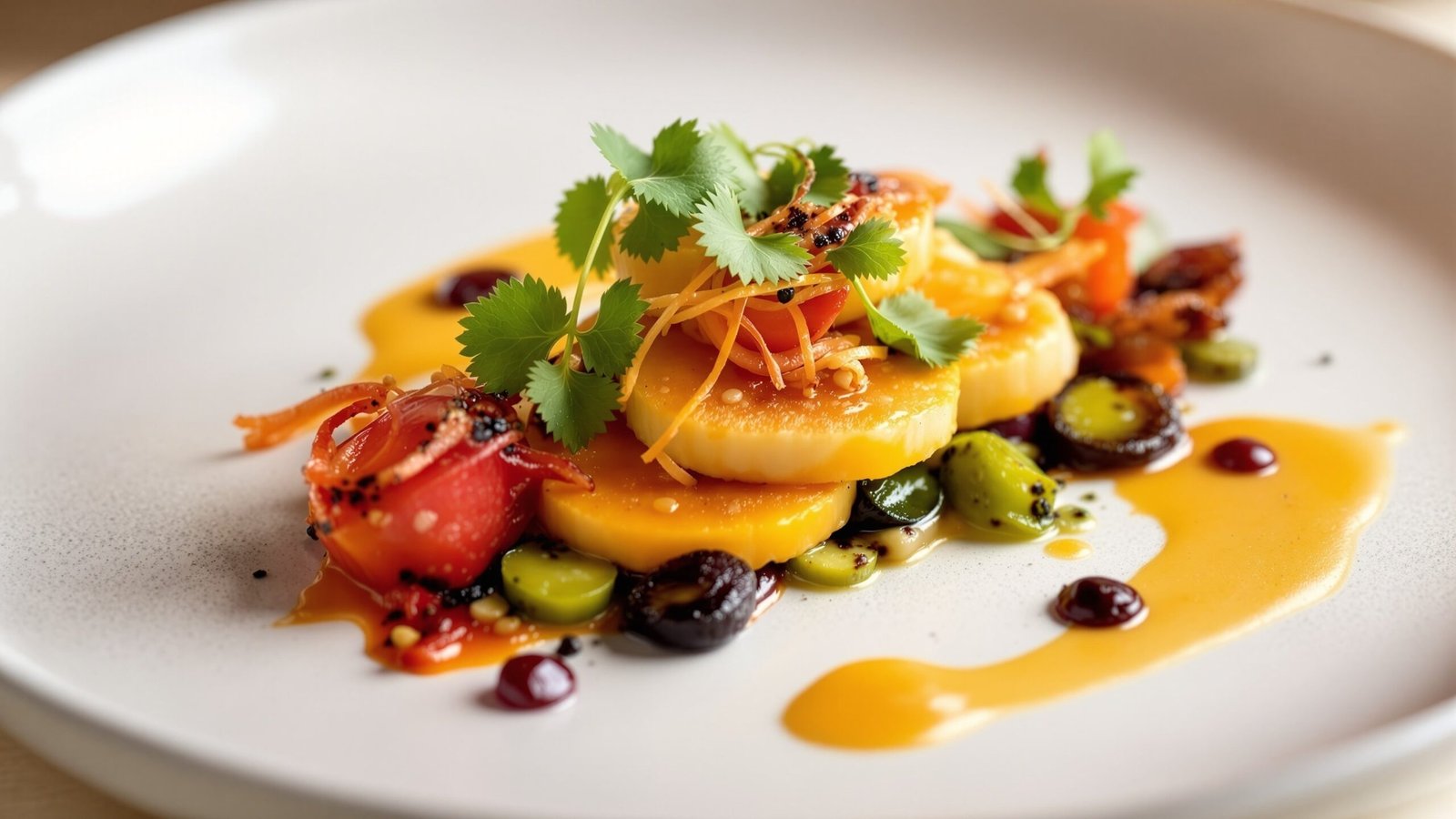
Michelin-starred cuisine demands a delicate balance between honoring culinary traditions and introducing innovative ideas. Chefs must respect classical techniques, regional ingredients, and established flavor profiles while exploring new textures, presentations, and combinations that surprise and delight diners. Maintaining this equilibrium ensures that the dishes are both familiar and inventive, appealing to the palate and evoking a sense of discovery. Creative reinterpretation of traditional recipes allows chefs to showcase technical skill, imagination, and cultural understanding simultaneously. In this context, each dish becomes a dialogue between history and innovation, offering diners an experience that is both comforting and memorable while maintaining the standards expected in Michelin gastronomy.
What This Article Covers
- Preserving Heritage Through Technique
Traditional cooking techniques form the foundation of Michelin cuisine, providing structure, consistency, and a connection to culinary heritage. Chefs rely on classical methods such as braising, sous vide, fermentation, or emulsification to highlight the natural flavors of high-quality ingredients. Mastery of these techniques allows for precision and control, ensuring that each element of a dish is executed flawlessly. While tradition guides the fundamental preparation, chefs also use it as a springboard for creative reinterpretation. By understanding the rules of classical cooking, they can make deliberate adjustments, introduce unexpected elements, or modify presentations while preserving the integrity of the original recipe. Respect for heritage ensures that innovation complements rather than overshadows the culinary lineage.
- Ingredient Innovation and Flavor Pairing
Balancing creativity with tradition often involves experimenting with ingredients while staying true to classic flavors. Chefs may introduce rare or seasonal ingredients, molecular techniques, or cross-cultural influences to enhance or reinterpret traditional dishes. The challenge lies in maintaining harmony and authenticity, avoiding combinations that overpower or disrupt the essence of the original recipe. Attention to sourcing, seasonality, and quality is essential, as the foundation of Michelin cuisine relies on exceptional ingredients. Diners engaging with a Michelin dining experience at The Chef’s Table at Brooklyn Fare encounter innovative flavor profiles that respect classical roots while pushing the boundaries of taste and texture. Thoughtful pairing and presentation enable chefs to create memorable experiences that honor tradition while captivating the senses.
- Presentation and Aesthetic Considerations
In Michelin cuisine, the visual presentation of dishes is as important as flavor. Chefs must design plates that communicate the essence of the recipe while demonstrating creativity in arrangement, color, and structure. Maintaining a connection to traditional plating methods ensures that the dish is recognizable and respectful of its culinary origins. Creative presentation, however, allows chefs to challenge expectations, incorporating asymmetry, layered textures, or innovative serving vessels. The balance between familiar forms and artistic innovation enhances the dining experience, creating anticipation and appreciation for both the heritage and ingenuity of the cuisine. This visual dialogue complements the taste, ensuring that the chef’s artistry is evident in every element of the dish.
- Menu Structure and Storytelling
A Michelin menu often reflects a carefully curated narrative, balancing traditional courses with innovative interludes. Chefs must sequence dishes to honor the classical progression of a meal while incorporating modern techniques, flavor contrasts, and unexpected textures. Maintaining harmony in pacing, portion, and thematic development requires both technical skill and creative judgment. Traditional elements provide structure, such as classic amuse-bouche, soups, or main courses, while innovative dishes showcase culinary imagination and contemporary interpretations. Thoughtful menu design ensures that the entire dining experience flows cohesively, allowing guests to appreciate both historical context and forward-thinking innovation. Through this structured storytelling, chefs can simultaneously respect tradition and demonstrate creativity in a comprehensive sensory journey.
- Technique Adaptation and Risk Management
Innovation in Michelin cuisine often requires adapting traditional techniques to accommodate new ingredients, technologies, or presentation styles. Chefs must balance experimentation with predictability, ensuring that new methods do not compromise safety, taste, or consistency. Precision is crucial, as diners expect impeccable execution in both classic and inventive dishes. Successful adaptation allows chefs to introduce novelty without losing the essence of the original recipe. By testing techniques in advance and refining execution, chefs manage risk while expanding their creative palette. This calculated approach ensures that each plate is reliable, visually impressive, and flavorful, demonstrating that innovation can coexist with the principles of classical culinary craftsmanship.
- Consumer Expectations and Experience
Diners at Michelin restaurants seek both familiarity and excitement, expecting high-quality execution and inventive ideas. Balancing tradition and creativity addresses these dual expectations by delivering dishes that evoke cultural memory while offering new sensory experiences. Chefs must understand their audience, ensuring that novel presentations or flavor combinations enhance rather than alienate diners. Feedback and observation guide iterative refinement, allowing chefs to calibrate the degree of creativity while preserving the essence of traditional recipes. This alignment of innovation and tradition results in a harmonious experience in which flavor, presentation, and narrative converge, reinforcing Michelin dining’s reputation as both technically proficient and artistically imaginative.
Chefs achieve balance in Michelin cuisine by respecting traditional techniques while introducing innovation in ingredients, presentation, and menu design. Mastery of classical methods provides a foundation for experimentation, ensuring that creative efforts complement rather than overshadow heritage. Thoughtful ingredient selection, plating, and sequence maintain cohesion and authenticity while engaging diners with new experiences. Managing risk, observing audience expectations, and maintaining precise execution allow chefs to push boundaries safely. By combining creativity with tradition, chefs deliver a culinary experience that is both comforting and novel, enhancing enjoyment, appreciation, and the overall value of the Michelin dining experience.
<iframe src=”https://www.google.com/maps/embed?pb=!1m18!1m12!1m3!1d59711.337208583536!2d-74.08411505136719!3d40.73212880000001!2m3!1f0!2f0!3f0!3m2!1i1024!2i768!4f13.1!3m3!1m2!1s0x89c25a4d00525589%3A0xa0ddf3ff54eadbcd!2sThe%20Chef's%20Table%20at%20Brooklyn%20Fare!5e1!3m2!1sen!2sus!4v1768232976022!5m2!1sen!2sus” width=”600″ height=”450″ style=”border:0;” allowfullscreen=”” loading=”lazy” referrerpolicy=”no-referrer-when-downgrade”></iframe>