
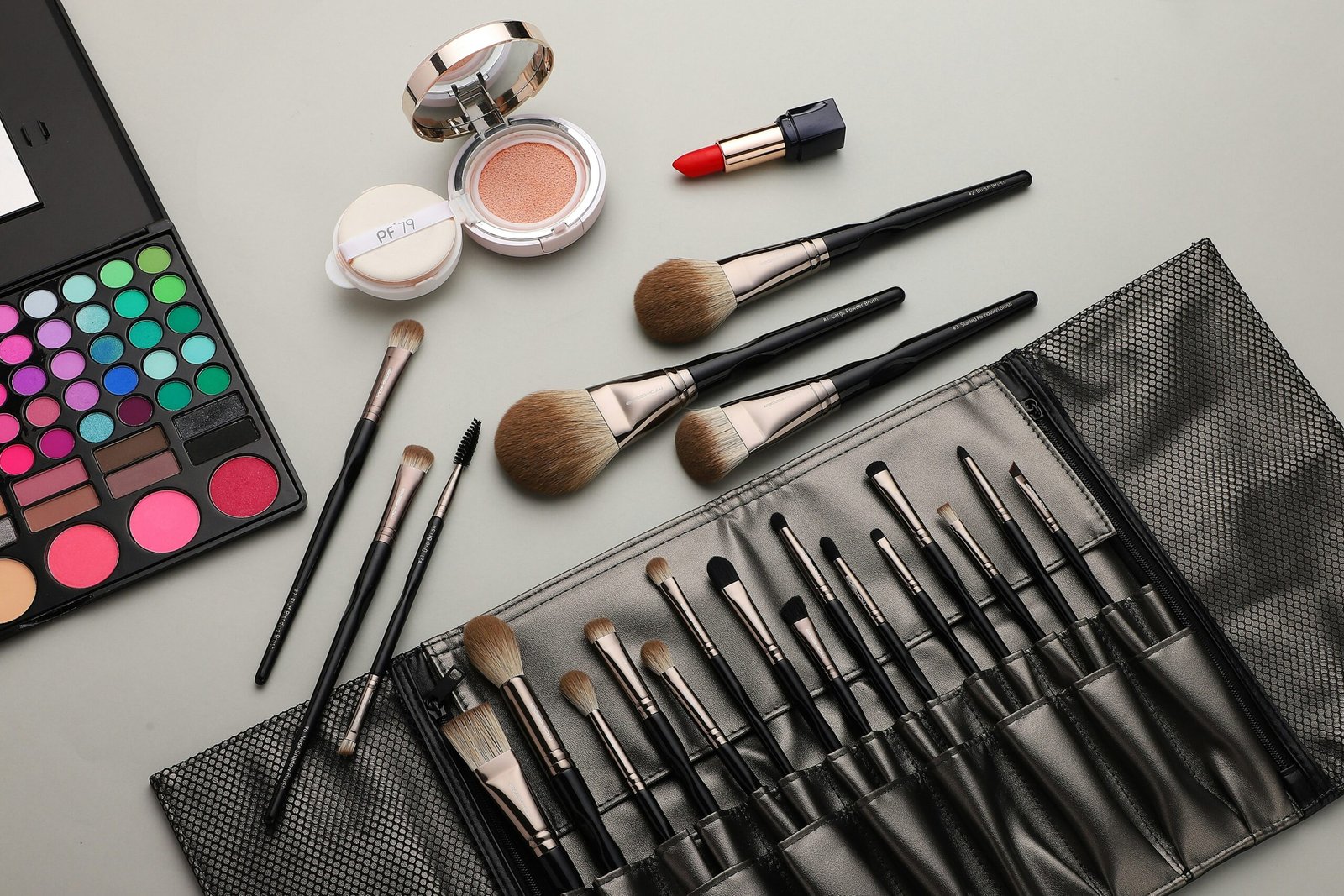
The makeup brushes are an essential component of any makeup artist, while being a critical source of bacteria that can damage the skin if not properly maintained. Therefore, learning how to clean makeup brushes is a necessary skill for any person who takes care of their appearance.
The mentioned characteristic makes brushes a difficult tool to work with, as they tend to hold old foundation, concealer, powder, oil, dead skin cells, and other debris, making them a favorable place for bacteria to develop. This, alongside improper cleaning methods and maintenance, can make brushes unhealthy for the skin and ruin the cosmetic outcome due to uneven blending or clogged pores. However, the task of cleaning the makeup brushes can be easily achieved with minimal effort and resources.
While many people opt for high-quality brushes that are perfect for delicate skin, they often neglect the maintenance and cleaning process. In turn, the brushes become ineffective, holding excess oil and dirt that can be harmful to the skin and degrade the appearance of the finished makeup look. No matter how often you wear makeup, knowing how to clean makeup brushes is essential for maintaining healthy skin and ensuring your brushes perform at their best.
Why Cleaning Makeup Brushes Is Important
Understanding how to clean makeup brushes begins with recognizing what happens every time a brush touches your face.
When you swipe the brush through each of the mentioned, it will automatically pick up on oil residue from your face, sweat, dirt, micro- particles on your skin and remnants of cosmetics. Accumulation of each one on your brush over a period will make the cleaning of your brush very challenging.
A clean brush offers several advantages and supports healthy skincare habits by reducing the buildup of makeup residue and impurities.
- More even makeup application.
- Better blending of foundation and powders.
- Reduced product buildup.
- Softer, longer-lasting bristles.
- Lower risk of transferring dirt and bacteria to the skin.
- Improved overall brush performance.
Keeping brushes clean is also beneficial for preserving expensive cosmetic products since clean bristles distribute makeup more evenly and require less product, making proper makeup brush maintenance an important part of any beauty routine.
Gather the Right Cleaning Supplies
Before starting how to clean makeup brushes, collect everything you’ll need. Using gentle products helps protect the brush fibers while effectively removing makeup residue.
Common cleaning supplies include:
- Mild liquid soap or gentle brush cleanser
- Lukewarm water
- Small bowl
- Microfiber towel or clean hand towel
- Silicone brush cleaning mat (optional)
- Soft cleansing pad (optional)
Be mindful of extreme temperatures, abrasive soaps, and alcohol-based cleaning agents. Unless directed on product instructions, as these can compromise your brush head adhesives and cause drying of natural bristles.
Prepare Your Brushes for Washing
The first practical step in how to clean makeup brushes is sorting your brushes based on how heavily they are used.
Foundation and concealer brushes, and cream makeup brushes typically hold on to the most product than your powder and blush brushes. Brushing this type of brush with brushes of similar kind can help organize things. Remove the excess powder and debris.
With a dry brush, gently brush on to your towel before adding water.
This will remove surface residue of excess powder or dirt that has build-up and keep your water from being an extremely thick mess. Harden product at the root of the bristles, loosen with your finger before adding water.
The Best Way to Wash Makeup Brushes
One of the most effective methods for how to clean makeup brushes involves using lukewarm water and a gentle cleanser.
While keeping the brush’s handle angled down, wet only the bristles. Getting water to enter the ferrule, or the metal piece between the handle and bristles, may loosen the adhesive. Swirl your dampened brush around a drop or two of cleaner in your palm or on a silicone cleaning mat until the make-up lifts off.
Gently work the bristles through the cleaner from the base to the tips (don’t swirl aggressively, which may cause damage).
Rinse under cool water until water is clear. Do the same for any brushes that have been used to apply very rich creams..
Dry Brushes the Right Way
An often-overlooked part of how to clean makeup brushes is proper drying.
After rinsing squeeze excess water from your bristles gently with your fingers or a clean towel, and absolutely do not wring or twist them, you could do permanent damage to your brush fibers. Reform your brushes into their original shapes, then lay the brush flat onto a clean towel allowing the brush tip to hang off a counter just slightly so air can circulate. Try to resist drying your brush standing up when it is wet. Water can get down into the ferrule and weaken the glue.
Allow the brushes to air-dry naturally before using them again.
Recommended Brush Cleaning Schedule
| Brush Type | Recommended Cleaning Frequency | Reason |
| Foundation Brushes | Once a week | Removes liquid makeup, oils, and bacteria |
| Concealer Brushes | Once a week | Prevents product buildup and uneven application |
| Powder Brushes | Every 2 weeks | Removes powder residue and dust |
| Blush & Bronzer Brushes | Every 1–2 weeks | Maintains even color application |
| Eyeshadow Brushes | Weekly or after bold colors | Prevents color transfer between shades |
| Lip Brushes | After each use or weekly | Maintains hygiene and color accuracy |
Common Mistakes to Avoid
Learning how to clean makeup brushes also means avoiding habits that can shorten their lifespan.
Some of the most common mistakes include:
- Using extremely hot water.
- Soaking the entire brush in water.
- Drying brushes upright while wet.
- Using harsh household cleaning chemicals.
- Skipping regular cleaning for weeks or months.
- Storing damp brushes in closed containers.
By avoiding these mistakes and following a consistent cleaning routine, your makeup brushes will remain softer, cleaner, and more effective. Regular maintenance not only improves makeup application but also supports healthier skin by reducing the buildup of dirt, oil, and cosmetic residue over time.
How to Keep Makeup Brushes Clean Between Washes
Learning how to clean makeup brushes doesn’t end with deep cleaning, just as following a consistent personal care and hygiene routine helps maintain healthier daily habits. Daily care between washes helps reduce product buildup and keeps your brushes in better condition for longer.
After each makeup application, lightly brush off any excess product with a clean, dry tissue or microfiber cloth. Doing this once a day will help keep powders and creams from getting hard in the bristles, and will save you lots of time in the weekly cleaning.
Keep your makeup brushes in a dry, clean container away from humidity and dust. It is best if they stand in a container upright once they are entirely dry. This helps preserve the integrity of the bristles, while protecting them from dirt.
If you are traveling, it is a good idea to place your brushes in a case, or a holder to keep your makeup brushes clean in your makeup bag.
Signs Your Makeup Brushes Need Cleaning
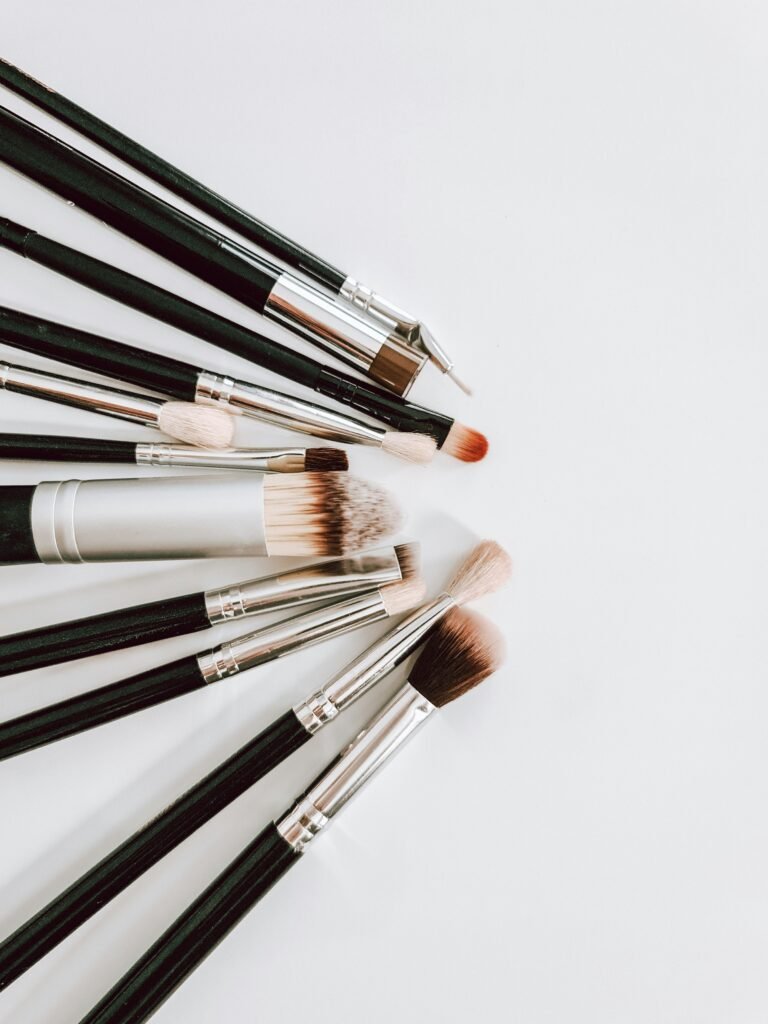
Sometimes your brushes will show clear signs that it’s time for a wash. Recognizing these early indicators helps maintain both brush performance and skin hygiene.
Watch for these common warning signs:
- Makeup no longer blends smoothly.
- Bristles feel stiff or sticky.
- Brushes have an unpleasant odor.
- Colors begin mixing unintentionally.
- Brushes shed more than usual.
- Visible makeup residue remains after use.
Cleaning your brushes as soon as these signs appear helps preserve their quality and prevents unnecessary buildup.
Conclusion
Understanding how to clean makeup brushes is one of the simplest yet most important steps in maintaining a healthy beauty routine. Your makeup application will go more smoothly when your brushes are clean and it helps to minimize the amount of old makeup, oils and debris that will accumulate, and which will eventually negatively impact your skin over the long term. Wash brushes using a gentle cleaner, air them dry properly, store them away neatly, and your brushes will last much longer while providing you with better makeup results. It won’t take much of your time and attention but will pay off in both the long and short terms.
Frequently Asked Questions
1.When Should You Wash Your Makeup Brushes?
Foundation and concealer brushes should be cleaned once per week and powder brushes, on the other hand, can be cleaned every 1 or 2 weeks.
2. How to clean makeup brushes – is it better to use dish soap?
A gentle dish soap would be suitable for removing the heaviest makeup, but you can also use a good brush cleanser or a mild soap.
3. Can I soak my brushes in water?
I would not recommend it since it will damage the glue on the brush head and it will not last as long.
4. How long does it take for them to dry?
It depends on the type of brushes, but in most cases, they should be completely dry after a few hours. It is best to leave them to air dry overnight.
5. Can dirty makeup brushes damage the skin?
They can, if they are not cleaned properly, since they can carry some of the dirt and makeup back onto the face, so they should be cleaned at least once per week.