
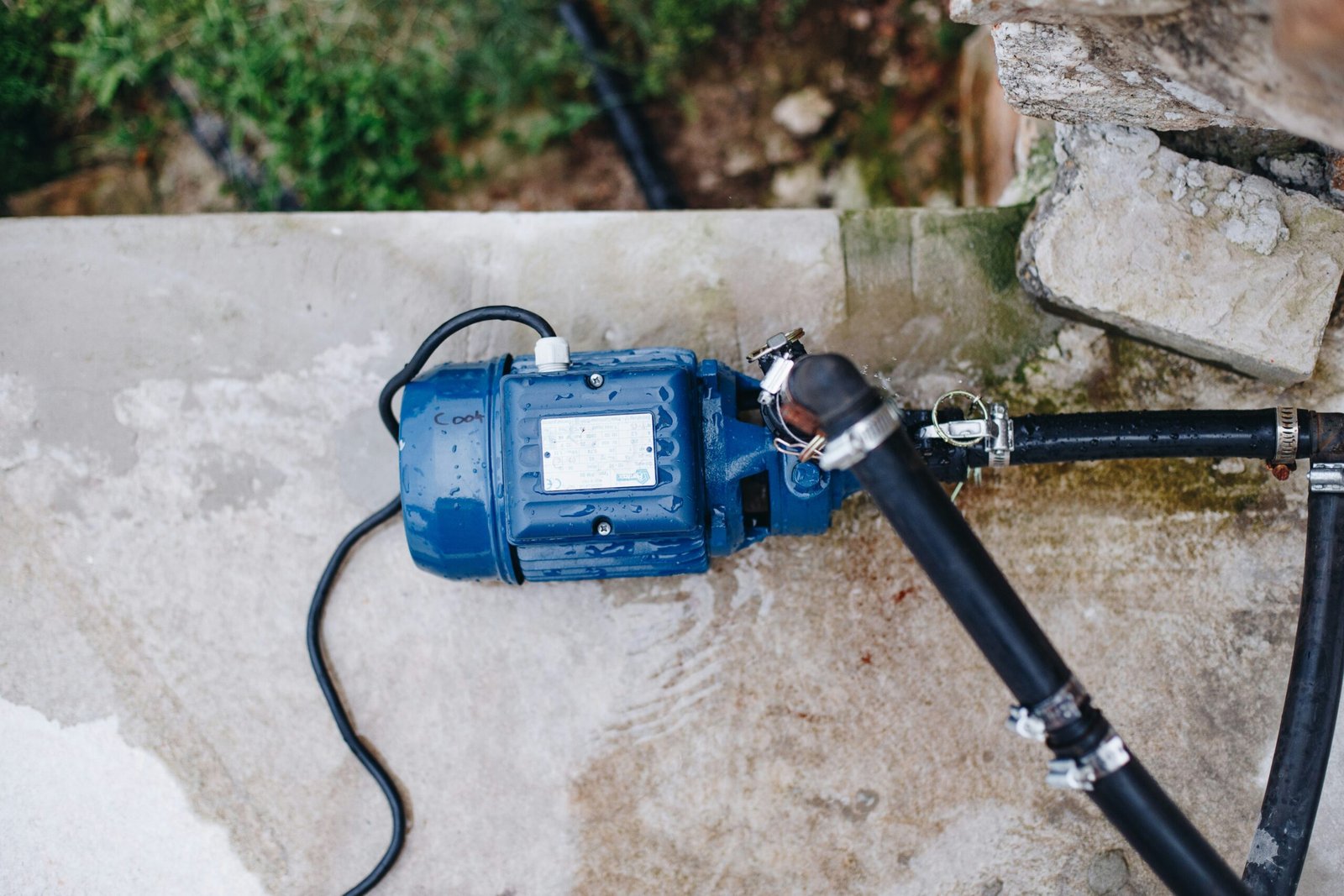
A sump pump battery backup is one of the most useful flood-prevention upgrades a homeowner can install, especially if the basement or crawl space is vulnerable to water intrusion. It keeps pumping water out of the sump pit when the power goes out or the primary pump fails, which is exactly when many flooding problems begin.
How a battery backup system works
Battery Backup Sump Pumps – How It Works A battery backup sump pump will usually be placed right next to your regular sump pump and will only kick in during those times when you have no power. When this happens a float switch will automatically turn on the backup sump pump as soon as the water in your pit gets to a certain level. Instead of drawing power from your regular house circuit you’ll instead be pulling power from a charged up battery.
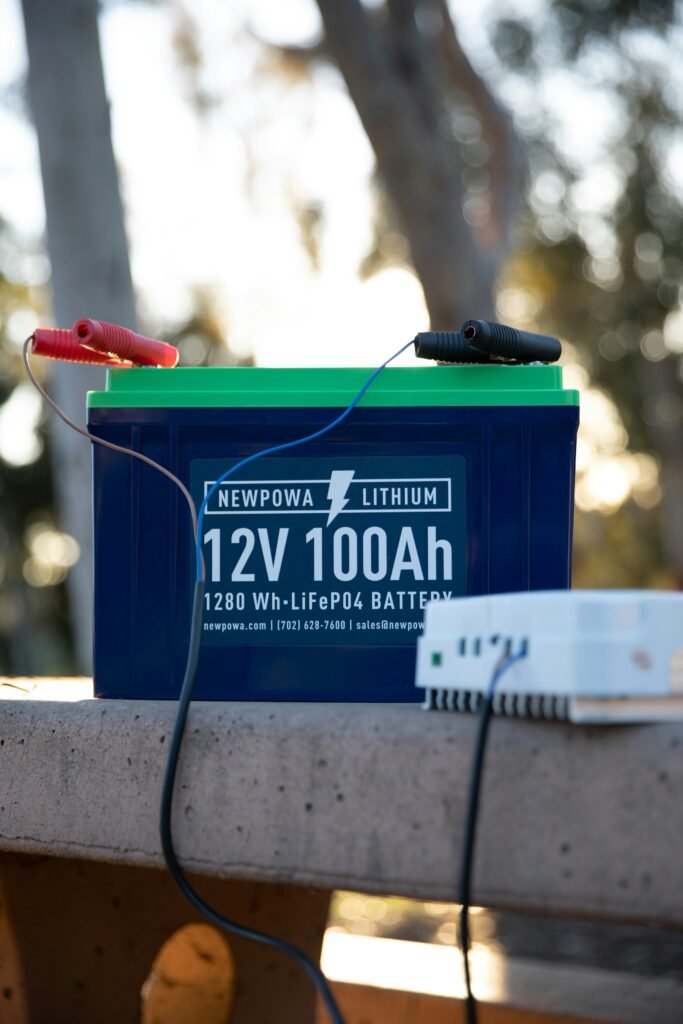
There will be some sort of battery charger, or battery maintainer, on your system so that while your primary sump pump is running and you still have electricity the battery will keep a full charge.
That last little detail will be quite important because as soon as your battery backup sump pump is not fully charged then you are not going to get any help from it when you may really need it the most.
Why homeowners need one
A primary sump pump can fail not only due to power outages, but also because of the float mechanism becoming stuck, a clog in the discharge line, a burnt-out motor or a storm that causes so much water entry that it can overload a pump that works at its maximum capacity. A battery backup system can provide you with that crucial second layer of defense when your primary sump pump just can’t handle the pressure. This kind of system is especially recommended for houses located in areas prone to flooding, houses with older basements and houses that could be damaged if the sump pump were to go offline even for a brief period of time.
Choosing the right system
The right sump pump battery backup depends on pump capacity, pit space, battery type, and how long you want the backup to run during an outage.You should compare your main pump gallon per hour to your back-up pump’s gallon per hour as well so that your backup pumps is not insignificant when it come to moving water around. Battery Choice – What’s important here. Back-up power is going to be powering a system with multiple discharge cycles so deep-cycle, AGM, sealed lead-acid type no-maintenance batteries will be the preferred choice. AGMs often lead this for the no maintenance features that avoid watering a battery.
Battery types at a glance
| Battery type | Main advantage | Main trade-off |
| AGM | Low maintenance, dependable for standby use | Usually costs more than flooded batteries |
| Flooded lead-acid | Lower upfront cost, widely available | Requires periodic maintenance and inspection |
| Deep-cycle marine or similar | Built for repeated discharge | Performance can change depending on the unit’s size and overall construction quality. |
Useful comparison table
| Factor | What to look for | Why it matters |
| Pump capacity | GPH at a given lift, often measured around 10 feet | Determines how much water the backup can move during an outage. |
| Battery type | AGM, sealed lead-acid, or deep-cycle lead-acid | Affects maintenance, runtime, and reliability. |
| Runtime | Hours of operation on a full charge | Tells you how long the system can protect the basement when power is out. |
| Alarm | Audible alarm and/or high-water alert | Warns you when water is rising or the system is struggling. |
| Installation fit | Basin space, discharge pipe layout, float clearance | A backup pump is only effective when it fits the system correctly and turns on and off as it should. |
| Maintenance | Battery checks, charger checks, periodic testing | Prevents surprises when the system is needed most. |
Practical model comparison
| Example system | Approx. pumping capacity | Battery type | Runtime note | Best for |
| Wayne ESP25 | 1,680 GPH at 10 feet | 12V battery backup setup | About 26 hours at moderate inflow in one guide | Homeowners wanting strong everyday protection. |
| Zoeller Aquanot 508 | 2,100 GPH at 10 feet | 12V backup system | Around 6 hours of continuous running in one guide | Users wanting a proven automatic backup. |
| PumpSpy PS2000 | 2,400 GPH at 10 feet | Battery backup system | About 5.5 hours of continuous running in one guide | Higher-output backup needs. |
| Wayne Aquanot 508 | 2,820 GPH at 10 feet | AGM 12V | Estimated 10–14 hours in one 2026 comparison | Strong all-around premium choice. |
| Basement Watchdog BWSP | 2,600 GPH at 10 feet | AGM/SLA 12V | Estimated 8–12 hours in one 2026 comparison | Better value for many homes. |
Simple chart view
Here’s a quick text chart using the approximate pumping capacity figures from the researched examples:
- Wayne ESP25: ████████████████ 1,680 GPH
- Zoeller Aquanot 508: ███████████████████ 2,100 GPH
- PumpSpy PS2000: ██████████████████████ 2,400 GPH
- Basement Watchdog BWSP: ███████████████████████ 2,600 GPH
- Wayne Aquanot 508: █████████████████████████ 2,820 GPH
What the chart means
The chart shows one thing clearly: higher pump capacity does not automatically mean better for every house. A basement with light seepage may do fine with a mid-range unit, while a home in a high-water table area may need the stronger end of the range.
Best buying takeaway
If you want the safest general rule, choose a sump pump battery backup with:
- a proven AGM or deep-cycle battery,
- a capacity that fits your pit and water load,
- an audible alarm,
- and a setup you can test regularly.
A backup pump is most valuable when it is sized for your home rather than just chosen for a brand name.
What affects runtime
Runtime isn’t as simple as battery size, it depends on the battery amp hour, pump’s power drain, the frequency of pumping, and how much water is entering the pit when it’s out of power. That is why the question of how long it can run depends on several factors. will always be “that depends!” A large battery on a small pump could outlast a small battery on a big pump, and the amount of rain makes a big difference.
Installation basics
The majority of these backup sump pumps are placed next to the primary sump pump with a high set float switch. This switch doesn’t operate until the primary is about to overflow into the main basement. The output plumbing typically needs a check valve and tight fittings to avoid backing up into the sump pit.
Install the battery where it’s protected and not sitting in water – many are mounted inside a plastic battery box on a shelf and leave the charger plugged in.
Test both pumps to make sure they move freely on their high and low switches, the battery charger is operational and the backup pump discharges properly.
Common mistakes to avoid
Perhaps the largest mistake a homeowner can make is to purchase the cheapest alternative instead of the best alternative to fit your system. A bargain pump that can’t keep up with your household’s water usage or won’t fit into the sump pit can’t protect you when you need protection the most. Another common mistake that many homeowners make is that they believe their backup battery is “good enough” and don’t get it tested annually.
Batteries get old, even if they don’t look it, and the real performance capacity dwindles long before their “end of life” looks obvious.
Finally, never fail to install a high water alarm. High water alarms can alert you that your backup is operating at length, that water levels are not receding, and give you time to take emergency steps.
Maintenance that actually matters
Maintenance for a sump pump battery backup should be simple and routine, making preventive home maintenance an essential part of protecting your property from unexpected water damage. Test your pump regularly so you’re sure the float switch and discharge line are both functioning. Monitor your battery by checking levels according to the manufacturer recommendations and add distilled water if needed. (This only applies to flooded batteries.) Most sources will recommend replacing the backup battery every few years.
When a backup system is not enough
While good for power outages and mild emergencies, your battery backup pump is hardly your limitless flood insurance. If your home is prone to high basement flooding levels, your system might require a bigger main pump, better drains, or another line of defense like a water-powered backup, where applicable and legal. To be quite direct, it’s only a portion of a water mitigation strategy – that’s best implemented if the sump pit is clean, your discharge pipe is clear, you have the proper sized main pump, and your pump is tested before storm season arrives.
A practical buying approach
If you are shopping for a sump pump battery backup, start with your home’s actual risk profile, just as you would when comparing tankless water heater pros and cons before investing in a major home improvement upgrade. A finished basement, a history of outages, or a sump that cycles often during storms all justify prioritizing a more dependable system with stronger battery capacity and a clear alarm.
Then check three things in order: pump capacity, battery type, and installation fit, while also understanding how to choose the right sump pump for your home’s drainage needs. That sequence keeps you from overbuying one feature while overlooking the part that actually determines whether the system will work in your basement.
Conclusion
A sump pump battery backup is not a luxury add-on; it is a practical safeguard against the exact moments when a basement is most exposed. If you choose the right system, install it properly, and test it regularly, it can make the difference between a dry basement and a costly cleanup.
FAQs
1. How long does a sump pump battery backup last?
It depends on battery capacity, pump size, how often the pump cycles, and how much water is entering the pit. There is no single runtime that applies to every home.
2. Do I need a battery backup if I already have a sump pump?
Yes, if you want protection during outages or primary pump failure. The backup is meant to cover the periods when the main pump cannot run.
3. What is the best battery type for a sump pump backup?
AGM batteries are often favored because they are maintenance-free and reliable for standby use, while flooded batteries may cost less but require more upkeep.
4. Can I install a battery backup on an existing sump pump?
Often yes, but compatibility matters. You need enough pit space, the right discharge setup, and a backup pump that matches the system’s needs.
5. How often should I test the backup pump?
A periodic test is a good habit, and some installation guides recommend testing every few months. Monthly checks are even better if your basement is high-risk.
6. Do battery backup sump pumps need maintenance?
Yes. Even “maintenance-free” batteries still need visual checks, charger confirmation, float testing, and overall system inspection.
7. Is a high-water alarm worth adding?
Yes. An alarm provides an early warning if water rises faster than expected or if the backup system is struggling.