
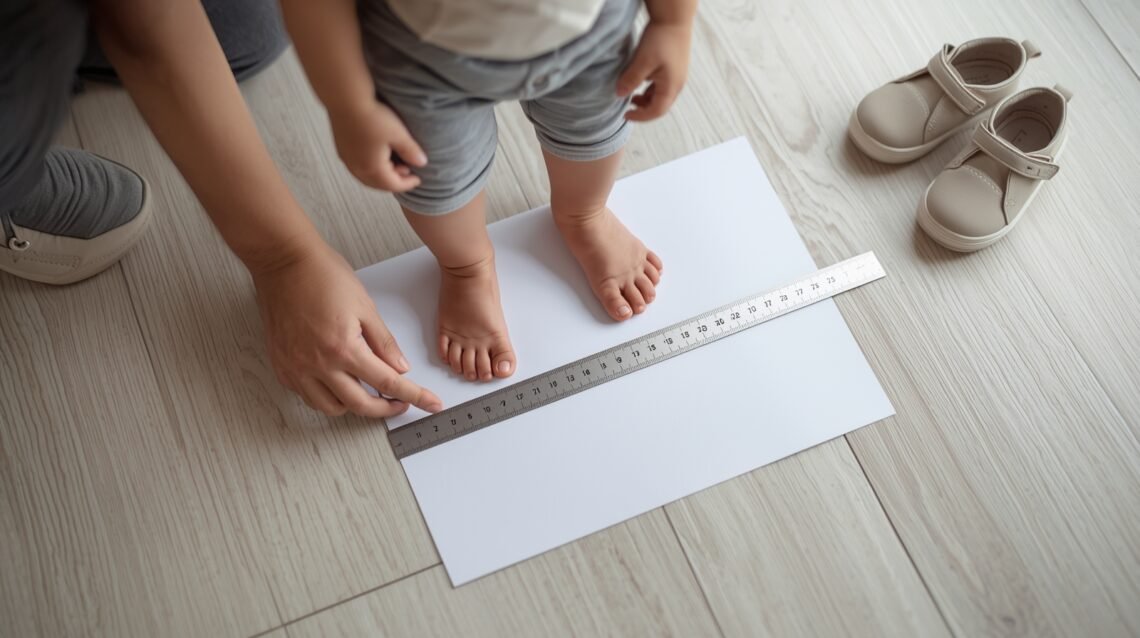
Shoe shopping for a toddler can be overwhelming, especially when it seems like your child is growing overnight. Most parents use age-based sizing as a stand-alone tool, but that is only part of the story. A toddler shoe size chart by age in cm will likely serve you better, since the actual length of your child’s feet is an infallible measurement!
This article explains everything parents need to know about toddler shoe sizing using centimeters. We’re going to address how toddler feet grow, the importance of centimeters, age’s role in sizing, how to measure a little one’s feet with accuracy, AND how to use a chart with confidence. It’s simple, I just want to make it easier for you to find the right shoe for your kids (the ones that promote healthy foot development!) without any additional confusion or stress!
Why Toddler Shoe Sizing Deserves Special Attention
Toddler feet are soft, flexible, and still forming. Unlike adult feet, they are mostly cartilage in the early years. Because of this, shoes that don’t fit properly can affect how a child walks and stands.
Many parents assume toddlers will “grow into” shoes. That sounds just practical, and often is: discomfiting. See the best toddler shoes for comfort and support. If they’re too large, feet can stumble around in them; if they’re too small, feet are cramped and cannot function properly.
A toddler shoe size chart by age in cm will prevent both of these problems from happening by putting the exact measurements right at their fingertips.
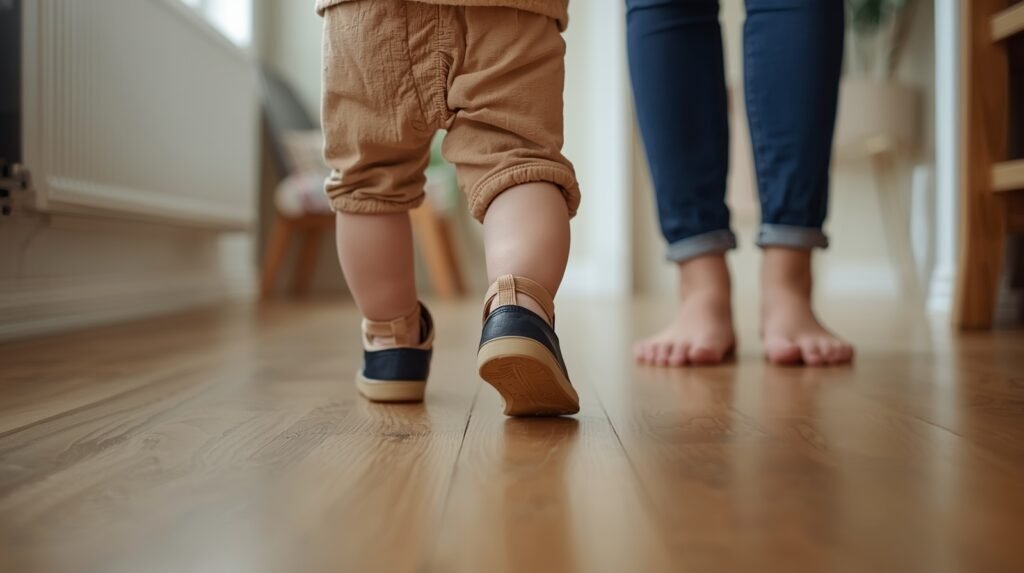
4 Essential Steps to Understanding Growth,Measuring, Choosing, and Checking Your Toddler’s Shoes
1. How Toddler Feet Grow From One to Four Years
Toddler foot growth happens in stages, not evenly. Some months bring rapid changes, while others stay the same.
General Foot Growth Patterns
- Ages 1–2: Fast growth, often every 2–3 months
- Ages 2–3: Growth slows but is still steady
- 3–4 years: Growth begins to slow down. As you move on from the baby and toddler years, growth slows down.
I once had a parent tell me that their child wore the same shoe for almost four months, and then outgrew it in just six weeks. Such growth spurts are normal.
Because growth is unpredictable, measuring in centimeters gives a reliable snapshot of where your toddler’s feet are right now.
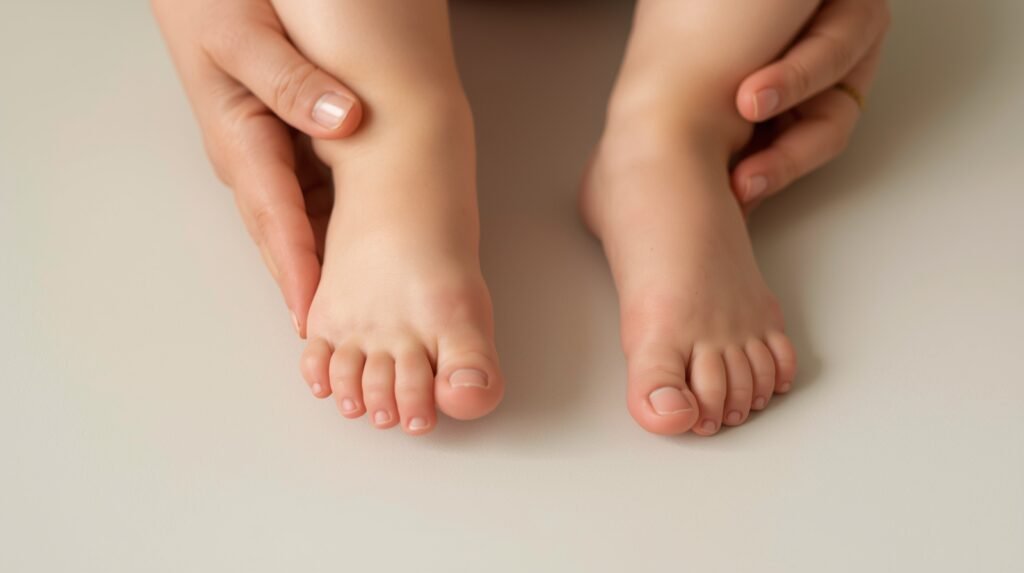
Why Age Alone Is Not Enough for Shoe Sizing
Age-based charts are helpful, but they have limits. Two toddlers of the same age can have very different foot lengths.
Factors that affect foot size include:
- Genetics
- Overall body growth
- Walking habits
- Foot shape and width
That’s why age needs to be a reference, not a rule. 4 Tips for Using a Toddler Shoe Size Chart by Age in cm. The most reliable toddler shoe size chart by age in cm is one you can use in combination with other methods.
Toddler Shoe Size Chart by Age in CM (Year-wise Guide)
Here is a comprehensive toddler shoe size chart including foot length measured in centimeter for second pair of shoes according to age. This chart is based on typical growth patterns, and should only be used as a general guideline.
Toddler Shoe Size Chart (12 Months – 4 Years)
| Toddler Age | Average Foot Length (cm) |
| 12–15 months | 11.0 – 11.7 cm |
| 15–18 months | 11.8 – 12.5 cm |
| 18–21 months | 12.6 – 13.3 cm |
| 21–24 months | 13.4 – 14.0 cm |
| 2–2.5 years | 14.1 – 14.7 cm |
| 2.5–3 years | 14.8 – 15.5 cm |
| 3–3.5 years | 15.6 – 16.3 cm |
| 3.5–4 years | 16.4 – 17.0 cm |
This toddler shoe sizes chart by age in cm enables parents to track the average ranges while leaving enough room for changes.
What Makes CM Measurements More Reliable Than Shoe Sizes
Sizes also differ by brand and country. Even the same size may fit differently according to how the shoe is constructed.
Centimeters, however, are universal.
Benefits of using centimeters:
- Consistent across brands
- More precise than size numbers
- Easier to track growth over time
Many shoe boxes list the inner sole length in cm. This measurement matters more than the printed size.
That’s why there are parents who rely on toddler shoe size chart by age in cm to settle with the right pair.
2. How to Measure Your Toddler’s Feet Accurately in CM
Accurately measuring is the first step to finding your size. The good news is that measuring at home is easy enough.
Step by Step Measurement Method
- Put a white sheet of paper on the hard surface
- Get your child to stand on the paper with no footwear.
- Their weight should be distributed equally
- Mark the heel and the longest toe
- Measure the distance in centimeters
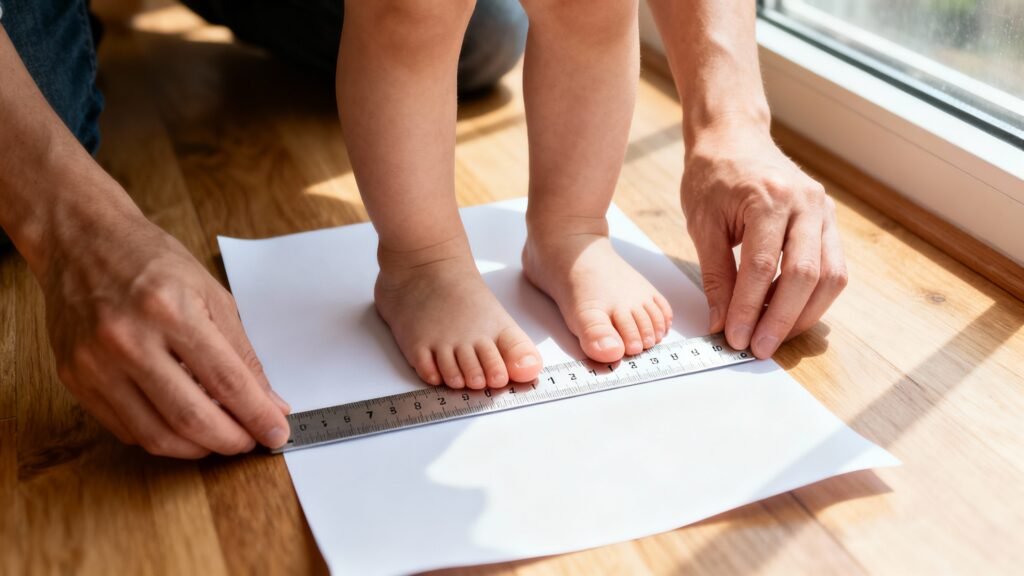
Always measure both feet. Use the longer measurement.
A parent once discovered that one foot was nearly half a centimeter longer than the other. Choosing shoes based on the shorter foot caused constant discomfort. Measuring both feet solved the issue immediately.
3. How Much Extra Space Toddlers Need in Shoes
After measuring foot length, extra space must be added for comfort and growth.
Recommended Allowance
- Add 0.8–1.2 cm to foot length
This extra room allows for:
- Natural toe movement
- Walking and running comfort
- Short-term growth
Make sure you always take this allowance into consideration before choosing a shoe with your toddler shoe size chart by age in cm.
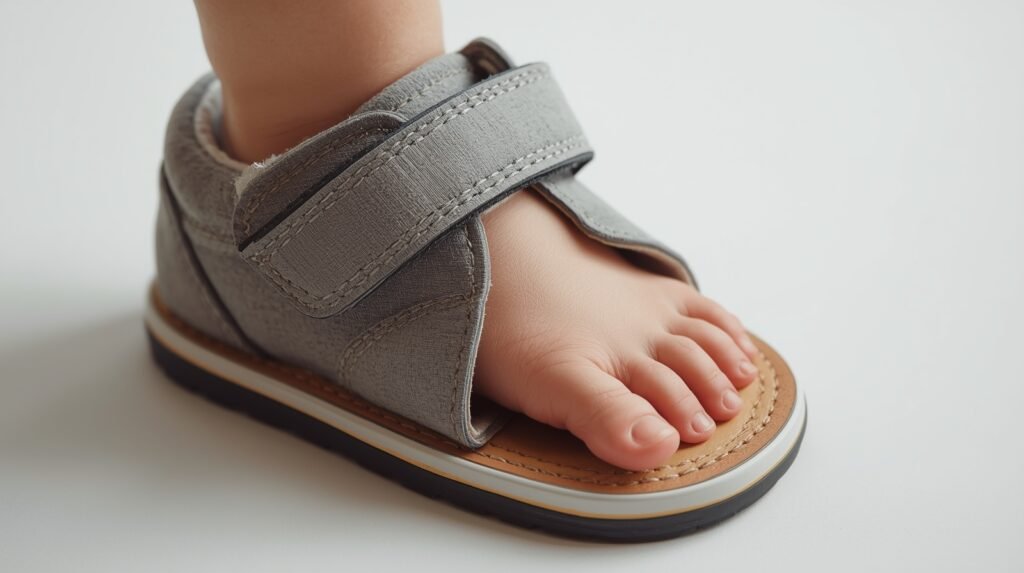
How Often Should I Check My Toddler Shoe Size?
Since toddler feet grow so rapidly, periodic checks are crucial.
Suggested Measurement Frequency
- Ages 1–2: Every 2–3 months
- Ages 2–3: Every 3 months
- Ages 3–4: Every 4 months
Regularly measuring it prevents shoes that are too tight and random discomfort.
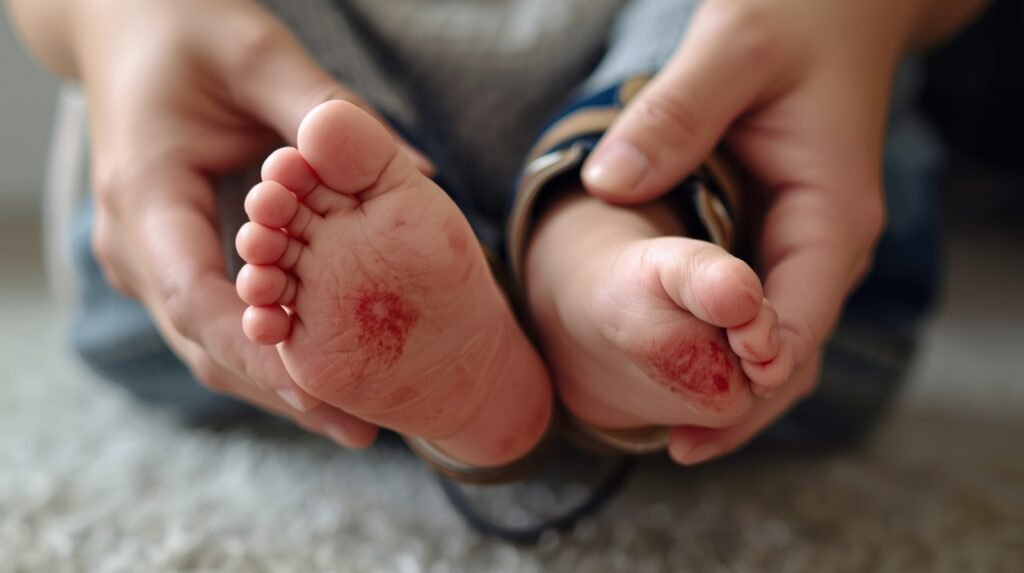
4. How to Tell if Your Toddler’s Shoes are Too Small
In some cases, toddlers have symptoms before parents realize they’re getting bigger.
Watch for:
- Red marks on toes or heels
- Shoes are becoming hard to put on
- Refusal to walk or stand
- Tripping more than usual
When these signs appear, revisit the toddler shoe size chart by age in cm and remeasure.
Understanding Foot Width Along With Length
While this article focuses on length in centimeters, width matters too.
Toddlers can have:
- Narrow feet
- Wide forefeet
- High or low arches
Length is size; width is comfort. Just be sure your shoe isn’t squeezing you or wiggling before it should.
The Impact of How You Walk on Shoe Fit
Toddlers’ walking patterns are different from those of older children. Early walkers often place their feet flat and wide, while older toddlers develop a more stable stride.
Proper sizing supports:
- Balance
- Natural gait development
- Confident movement
Shoes that fit well allow toddlers to explore without restriction.
Footwear Sizing Mishaps Parents Often Make
Even the most educated parents can slip. The most common include:
- Buying shoes “a size bigger” for growth
- Measuring while the child is sitting
- Relying only on age-based sizing
- Ignoring growth spurts
Using a toddler shoe size chart by age in cm correctly helps avoid these issues.
Why Proper Shoe Fit Supports Healthy Development
Feet support the entire body. Ill-fitting shoes are bad for your posture, balance, and comfort.
Correct sizing helps:
- Encourage natural foot shape
- Support early walking skills
- Prevent unnecessary discomfort
That’s why pediatric specialists often stress accurate measurement over guessing.
How Shoe Manufacturers Use CM Measurements
Most manufacturers design shoes around inner sole length. This number often appears in size charts.
When comparing shoes:
- Match your child’s foot length + allowance
- Focus on cm measurement first
- Use size labels only as guidance
This approach aligns perfectly with a toddler shoe size chart by age in cm.
Using Age as a Supporting Reference (Not the Rule)
Age-based charts are helpful for understanding averages. However, every toddler is unique.
Age helps you:
- Estimate starting size
- Spot unusual growth patterns
- Plan when to remeasure
Still, centimeters always provide the most reliable answer.
Practical Tips for Parents Using a CM-Based Chart
- Measure feet at the end of the day
- Use socks similar to those worn with shoes
- Recheck measurements before buying new shoes
- Keep a note of foot length over time
Tracking growth makes future sizing easier.
Bottom Line: Trust Comes With Good Information
Deciphering toddler shoe sizes does not have to rank as a complicated affair. With correct measurements, periodic monitoring, and the proper toddler shoe size chart by age in cm handy, parents can be confident in selecting appropriate footwear that promotes comfort and well-being. Finding the perfect shoes for your toddler can be overwhelming, but proper sizing and frequent checks make it a lot easier. For the most accurate advice and useful tips, you can read all about child care and growth on our blog.
Consider shoe size as part of everyday care, like selecting outfits or meals. Well-fitting shoes mean mama’s little bean sprout can roam and grow with ease, giving your kiddo the freedom to discover the world without being weighed down.





One comment on “Toddler Shoe Size Chart by Age in CM 4 Smart Steps Parents Should Know for Perfect Fit and Healthy Feet”
Comments are closed.