

When parents notice a toddler throwing up no fever acting fine, it often creates mixed emotions. Vomiting is scary, on one hand. On the other hand, your child is smiling and laughing, and playing as if nothing is wrong. That contrast leaves many parents wondering whether they should worry or wait.
In fact, this scenario is more prevalent than many people think. Oftentimes, the body is responding to something temporary, rather than a chronic disease. Knowing why it occurs can allow you to respond calmly and confidently.
Why a Toddler Can Throw Up Without a Fever
Vomiting is a reflex, not a diagnosis. It simply means the stomach is trying to get rid of something it doesn’t like. When a toddler throwing up no fever acting fine, it usually points to irritation rather than infection.
Toddlers’ digestive systems are still developing. They react faster and stronger to changes than adult bodies do.
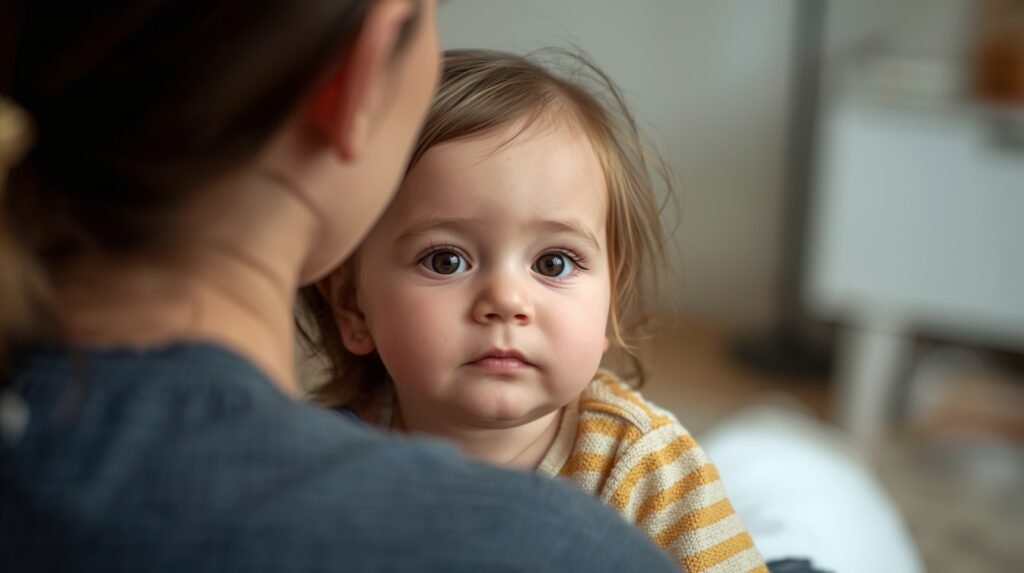
Most Common Causes Parents Overlook
Just A Bit Of Tummy Distress (It’s Not Quite A Full Blown Stomach Bug)
Not all stomach viruses include fever or diarrhea. Some only irritate the stomach lining briefly, and understanding toddler vomiting causes can help parents stay calm. A toddler might vomit once or twice, then go back to a normal level of activity within hours.
I always hear parents say, ‘They vomited, slept, and woke up happy, she said. That’s a typical sign of mild irritation, not illness.
Overeating or Eating Too Fast
Toddlers don’t always recognize fullness. When they eat too quickly or chug a lot of liquid, that can also stretch the stomach abruptly and lead to vomiting.
This is especially common after:
- Parties or family gatherings
- Drinking milk or juice too fast
- Eating right before active play
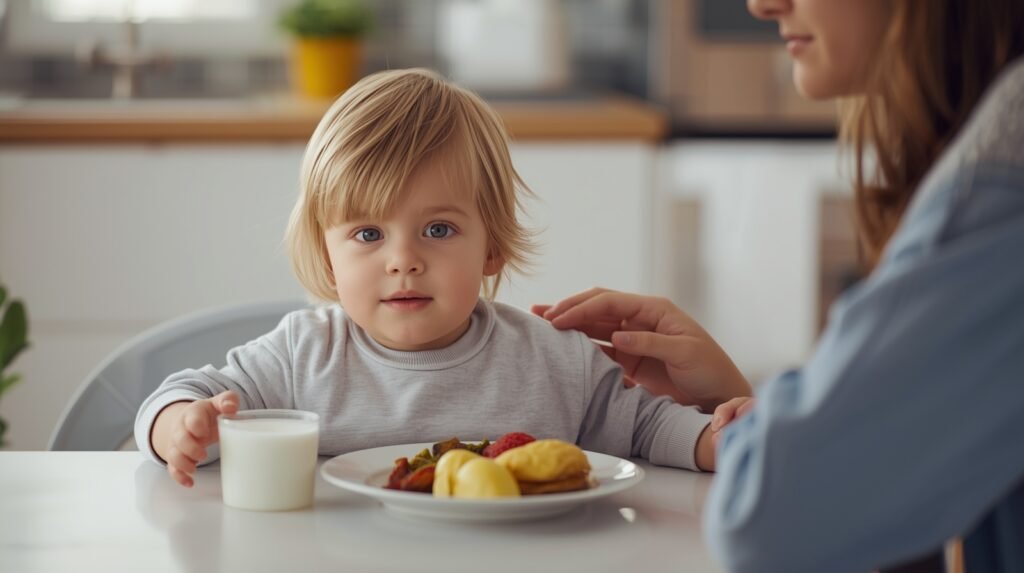
In these cases, the body simply hits the reset button.
Motion Sensitivity and Balance Development
The inner ear controls balance. This mechanism is still developing in toddlers. A moving car, a swing, and spinning toys or games might also confuse the brain and the stomach.
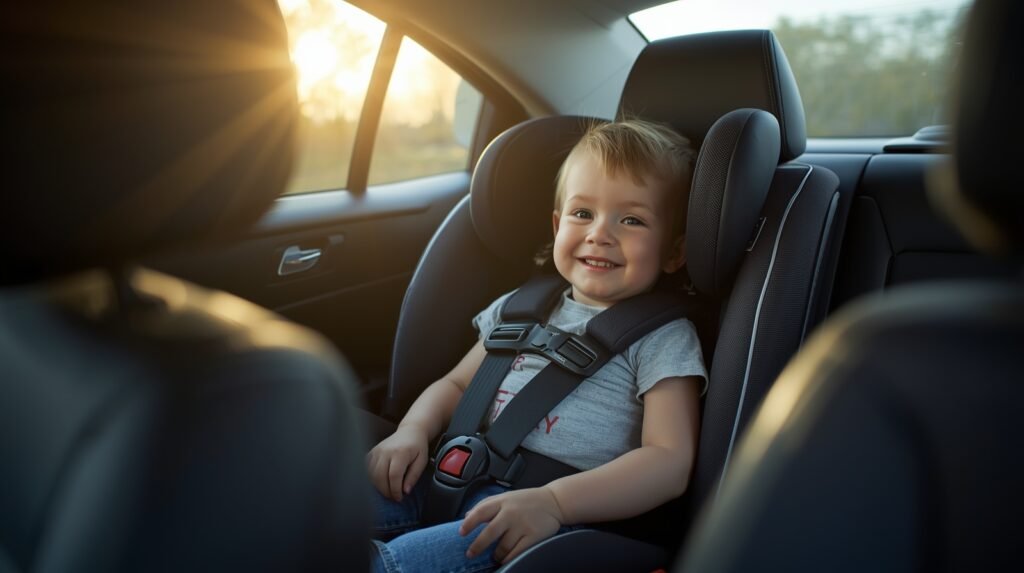
A toddler who is throwing up no fever acting fine after a car ride usually means motion sensitivity, not sickness.
Acid Reflux Beyond Babyhood
Many parents think reflux only affects babies, but toddlers can experience it too. Acid creeping up can also cause an irritated throat and vomiting to occur particularly:
- After meals
- When lying down
- Late at night
Unlike infections, fever is not induced by reflux.
Emotional Triggers and Stress Response
Toddlers feel stress physically. Big feelings, such as excitement, frustration, or anxiety, can cause an upset stomach. Vomiting without illness can be caused by beginning daycare, travel, noisy environments, or a change in routine.
After emotions calm down, the child is perfectly normal again.
Food Sensitivities (Not Always Allergies)
Some foods are simply harder for young stomachs to digest. Dairy, greasy foods, artificial colors, or new foods can cause vomiting without other symptoms.
This doesn’t always mean an allergy. It may simply be a digestive mismatch that improves with time.
What Parents Should Do Immediately
Pause Food, Not Fluids
Don’t go for anything solid just after vomiting. Instead, offer:
- Small sips of water
- Oral rehydration solution
- Ice chips for older toddlers

Waiting 30–60 minutes before offering food helps the stomach settle.
Watch Behavior More Than the Vomit
Behavior tells the real story. If your toddler is:
- Alert
- Playful
- Making eye contact
- Interested in activities
That’s a strong sign the body is coping well. This is also why fever medication decisions should never be rushed when no fever is present.
Reintroduce Food Slowly
Start with bland options:
- Toast
- Banana
- Rice
- Applesauce
Avoid forcing food. Appetite typically comes back on its own accord once the stomach settles.
When Vomiting Becomes a Concern
Even if a toddler throwing up no fever acting fine seems harmless, some signs mean it’s time to call a pediatrician.
Contact a Doctor If:
- The vomiting has persisted for more than 24 hours
- Your child refuses fluids
- Wet diapers become less frequent
- Vomit contains green or red coloring
- Belly pain becomes intense or persistent
- Your child seems very lethargic or unresponsive

Trust your instincts. Parents often see small shifts before symptoms escalate.
A Real-Life Parenting Moment
One parent reported that their toddler had vomited after eating breakfast, but a few minutes later was asking to play outside. At first, they panicked, but by lunchtime, the boy was eating normally and giggling. The cause? Drinking milk too fast before running around.
Moments like these remind us that toddlers’ bodies react quickly — and recover quickly too.
Preventing Future Episodes
Though you can’t avoid every episode, these habits help minimize vomiting:
- Encourage slower eating
- Avoid active play right after meals
- Limit sugary drinks
- Maintain regular meal routines
- Maintain a calm and well-ventilated car ride
Small changes can have large effects.
Final Thoughts for Parents
When your little one is a toddler throwing up no fever acting fine, that can seem strange, but it’s oftentimes the body taking care of a small problem all by itself. Most episodes resolve without medical treatment and without lasting effects.
Keep calm, watch and wait, keep your child hydrated, and don’t forget, not all vomit is a sign of illness. Always best to err on the side of caution with kids; additionally, call your pediatrician if you have any reservations.
You’re doing great by trying to figure out what’s happening.





One comment on “Toddler Throwing Up No Fever Acting Fine but When It Can Be Serious 2026”
Comments are closed.