
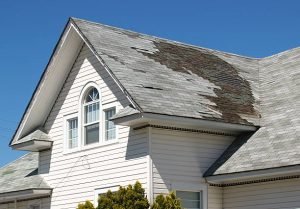
Storm damage is not always easy to see from the ground. After heavy wind, hail, rain, or flying debris, a roof may look normal while small problems are forming beneath the surface. Lifted shingles, bruised roofing materials, loose flashing, weakened seals, and tiny openings can allow water to enter slowly. These hidden issues may not cause stains right away, but they can grow into leaks, rot, insulation damage, and ceiling problems. Roofing contractors help find storm damage early and guide homeowners toward repairs before the home faces larger risks.
Hidden Damage Warning
- Finding Problems That Are Easy to Miss
Roofing contractors matter after storms because many roof problems are not visible to homeowners during a quick look from the yard. A shingle may be creased, loosened, punctured, or missing granules without looking badly damaged from below. Flashing around chimneys, skylights, vents, and roof edges may shift just enough to let rainwater under the surface. Contractors know how to inspect these areas carefully and identify small signs of potential storm impact. Homeowners may need roofing repairs from Bealing Roofing when hidden damage begins as minor lifting, nail movement, seal separation, or small surface bruising after severe weather. This matters because storm damage can stay quiet until the next rainfall exposes the weakness. A contractor can safely walk the roof, inspect vulnerable areas, check signs in the attic, and determine whether the damage is recent or part of older wear. Early inspection gives homeowners a chance to act before moisture spreads.
- Protecting the Home From Slow Water Intrusion
Hidden storm damage often leads to slow water intrusion rather than an immediate leak. Rainwater may slip under lifted shingles, travel along the underlayment, enter around the flashing, or soak into the decking before it appears inside the home. By the time a ceiling stain appears, the damage may already have affected insulation, wood, drywall, or interior paint. Roofing contractors help prevent this by locating entry points before water has time to move deeper. They may inspect roof valleys, pipe boots, ridge caps, gutters, and areas where wind-driven rain commonly forces water under roofing materials. A small gap can become a larger problem if storms continue to hit the same weak area. Contractors can also check for damp attic wood, musty odors, or daylight coming through roof openings. Finding these early signs helps homeowners avoid the frustration of repairing interior damage that could have been prevented with timely roof attention.
- Checking Hail, Wind, and Debris Effects
Different storms leave different kinds of roof damage. Hail can bruise shingles, loosen granules, dent metal parts, or weaken the protective surface of roofing materials. Strong wind can lift shingles, break seals, bend flashing, or tear edges away from the roofline. Flying branches and debris can scrape, puncture, or crack roofing surfaces. Roofing contractors help homeowners understand what type of storm damage may be present and how serious it is. This is important because not all damage looks dramatic right away. A hail mark may seem small, but it can shorten the shingle’s life by exposing it to accelerated wear. Wind-lifted shingles may settle back down after the storm but no longer seal properly. Contractors can identify these patterns and explain what they mean for the roof’s future performance. A thorough inspection helps homeowners make informed repair decisions rather than assuming the roof survived simply because nothing fell off.
- Helping With Documentation and Repair Planning
When hidden storm damage is found, homeowners often need clear documentation. Roofing contractors can take photos, note affected areas, describe the type of damage, and explain recommended repairs. This information helps homeowners understand the condition of their roof and decide what steps to take next. Repair planning may involve replacing damaged shingles, sealing flashing, repairing roof decking, fixing ventilation issues, or addressing gutters affected by the storm. Contractors can also help separate urgent repairs from maintenance that can be planned later. This prevents confusion and helps homeowners avoid unnecessary delays. Good documentation is useful when discussing the damage with insurance representatives, property managers, or family members involved in the decision. A written explanation and visual record create a clearer path forward. Instead of relying on guesswork, homeowners can review the evidence to understand why certain areas of the roof need attention after the storm.
- Preventing Small Damage From Spreading
Storm damage often becomes worse when it is ignored. A loose shingle can lift more during the next wind event. A small flashing gap can widen as water freezes, dries, or is pushed through during repeated storms. Missing granules can leave shingles more exposed to sun, heat, and rain. Roofing contractors matter because they can repair these small issues before they spread across larger sections of the roof. Timely repair can protect the roof deck, attic, insulation, and interior ceilings from avoidable damage. Contractors also understand how one weak area can affect nearby materials. For example, a damaged valley can send water under surrounding shingles, while a loose pipe boot can leak into hidden attic spaces. Fixing problems early helps the roof continue doing its main job: keeping weather outside. This approach protects the home and can reduce repair costs over time.
Roofing contractors matter when a roof has hidden storm damage because they can find problems that homeowners may not see from the ground. Wind, hail, rain, and debris can weaken shingles, flashing, seals, vents, and roof edges without causing an immediate leak. Early inspection helps prevent water intrusion, interior damage, and larger repair needs. Contractors also provide documentation, repair planning, and guidance for protecting the roof after future storms. With timely attention, hidden damage can be addressed before it spreads, helping the home stay safer, drier, and better protected.