
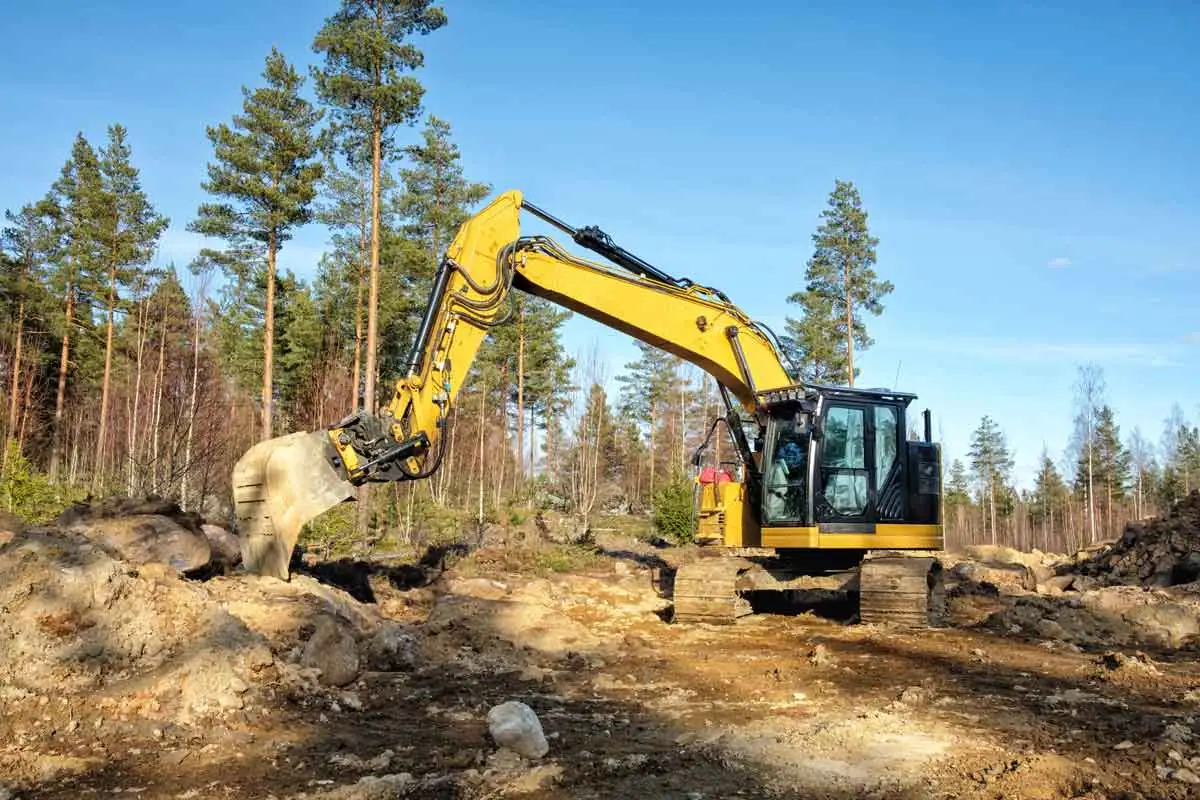
\Raw land may look ready for a new home, but a strong build needs far more than an open space and a house plan. Before walls, roofing, utilities, and finished rooms can take shape, the land must be studied, cleared, shaped, and prepared for safe construction. Uneven ground, poor drainage, hidden debris, weak soil, and access issues can all affect the project if not addressed early. Construction and excavation help turn undeveloped property into a more reliable building site where the foundation, driveway, utilities, and surrounding outdoor areas can be planned with greater confidence and fewer surprises later.
Preparing the Groundwork
- Clearing and Reading the Site
Construction and excavation help begin a new home build by making the land understandable and workable. Raw property may contain trees, brush, old roots, buried material, rocks, uneven soil, or slopes that are difficult to judge by sight alone. Clearing the site gives builders a better view of the land’s shape and reveals where the home, driveway, drainage paths, septic system, or utility routes may fit. Excavation also allows the crew to see how the soil behaves once the top layer is disturbed. Some ground may be firm and stable, while other areas may hold water, shift easily, or need more preparation before supporting a structure. Homeowners researching early site work may come across construction and excavation from Bruce Johnson Construction while looking for help with land clearing and build preparation. This stage matters because every later step depends on how carefully the site is opened, reviewed, and shaped before the foundation work begins. It also helps the builder avoid placing the home where roots, soft soil, or trapped water could cause trouble.
- Creating a Stable Foundation Area
A new home needs a foundation that sits on properly prepared ground, and excavation plays a major role in creating that stable area. The process may include cutting into high sections, filling low spaces, removing unsuitable soil, compacting the ground, and shaping the building pad to the right elevation. If this step is rushed, the home may face settling, cracking, water intrusion, or uneven support later. Construction planning and excavation work together to align the foundation design with the land’s condition. The crew must consider soil type, slope, nearby trees, water movement, frost depth in colder regions, and the weight of the planned structure. Even small differences in grade can affect how water moves around the home after rain. A properly prepared foundation area provides the building with a more dependable base and helps reduce future problems associated with shifting soil, trapped moisture, or poor ground support. That careful base can also make later framing, inspections, and exterior finishing move with fewer interruptions.
- Managing Drainage Before Building Starts
Raw land can hide drainage problems until heavy rain exposes them. Water may collect in low spots, run toward the future foundation, or move across the property in ways that damage soil and delay construction. Construction and excavation help address these concerns before the home is built by shaping the land to improve water movement. This may involve grading the site, creating swales, preparing drainage paths, placing gravel, adjusting soil levels, or planning where downspouts and runoff should lead. Good drainage planning protects the foundation, driveway, crawl space, basement, landscaping, and nearby structures. It also helps keep the construction area safer and easier to work on because standing water can slow equipment, soften soil, and create muddy access routes. When drainage is addressed early, the home is less likely to experience recurring water pressure issues around the foundation. This makes the build process smoother and gives the finished property a healthier outdoor layout. It also supports cleaner yard planning because patios, gardens, and walkways can be placed with water flow in mind.
- Preparing Access and Utility Routes
A home site needs more than a cleared building pad. Construction and excavation also prepare the paths that make the property usable, including driveways, walkways, equipment access, utility trenches, and service areas. Before construction can move forward, heavy trucks may need a stable route to deliver materials, concrete, lumber, roofing, and equipment. Excavation can help shape and compact these paths, allowing work to continue with fewer delays. Utility preparation is also important because water lines, sewer lines, electrical conduits, gas service, drainage pipes, and communication lines often need trenches before the home is complete. Planning these routes early can prevent conflicts with the foundation, driveway, trees, retaining walls, or future landscaping. A thoughtful layout also helps reduce rework, since moving utilities after construction begins can be costly and disruptive. By preparing access and utility routes before major building starts, the land becomes a coordinated site rather than a rough open space. This coordination helps the home function well from the first day of use, not only during construction.
Construction and excavation prepare raw land for a new home by clearing obstacles, shaping the ground, preparing the foundation area, managing drainage, and creating access and utility routes. These early steps may not look as finished as walls or interior spaces, but they strongly influence how well the home performs over time. A properly prepared site can reduce delays, water problems, soil movement, and unnecessary repairs. For homeowners, this stage brings structure to the project before building begins. When the land is prepared with care, the future home has a stronger starting point from the ground up.