
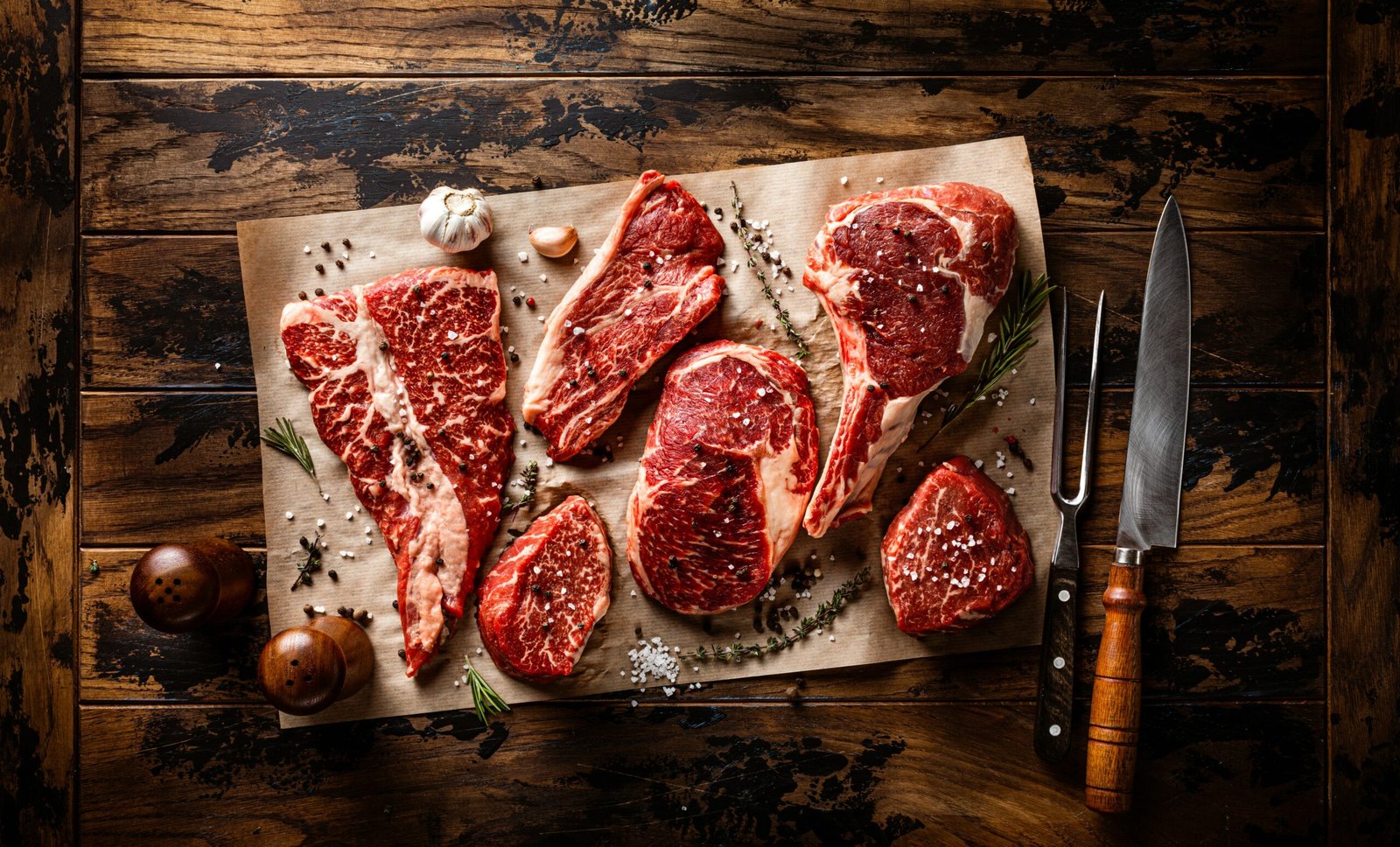
Cooking Prime Rib Essentials What Works and What Doesn’t
Most folks save prime rib for big moments – birthdays, holidays, quiet nights when something feels worth marking. Though it carries a fancy name and high expectations, pulling off a good roast isn’t about complex moves in the kitchen. What matters most? Knowing just three or four things that make the difference between tough meat and tender results. The real secret hides in timing, temperature, how you position the cut on the rack. It takes surprisingly little effort if you cook it slowly and keep an eye on it near the end.
Most people stress when roasting pricey beef – uneven results, dry slices, or missing that rich tenderness expected from prime rib. It makes sense. This cut costs more, so mistakes feel heavier. Yet here’s what changes everything: smart timing, steady heat, trust in a thermometer, and knowing when to stop early. Suddenly it isn’t fussy. Confidence grows quietly once details click into place.
Start here if you want to learn how to cook prime rib well. Picking the right cut matters just as much as what you put on it before cooking. Once seasoned, think carefully about how hot your oven should be. Many people mess up by guessing when it is done – use a thermometer instead. If something goes wrong while it cooks, there are ways to fix it without starting over. Each step plays a part in getting the results you expect.
This detailed guide on perfectly cooked prime rib explains professional roasting techniques and temperature control methods in depth.
Why Cooking Prime Rib Matters
That cut of beef called prime rib? It has a good reputation for a reason.
Found along the animal’s ribs, its webbing of fat melts when cooked, giving a juicy bite full of deep taste. People who enjoy meat often go out of their way to try it. The richness isn’t accidental – it’s built into the grain.
Slow heat transforms the fat in prime rib, letting it seep deep into the flesh as it roasts – this keeps things juicy and rich. Skip key steps though, maybe rush the time or ignore seasoning cues, suddenly that expensive cut loses its depth, turns patchy in texture, tastes flat instead of bold.
Start right by knowing how prime rib works – this keeps outcomes steady without wasting money on high-end meat. A clear approach shapes the menu better, too, easing worries when feeding people a big roast dinner. The process becomes smoother once basics click into place. Find useful tips on lifestyle, travel, and personal growth at Home Page
What Prime Rib Is And Why It Matters
Most roasts cook evenly, yet prime rib holds a different promise. Its marbling runs deep, creating pockets of rich flavor. Heat moves slowly through the meat, leaving the center soft. Bones add depth when left attached. Resting time matters more here than elsewhere. A sharp knife waits nearby, ready but unused too soon.
Bones stay in some prime ribs you find at stores. When they do, heat moves slower near them, so that part cooks gentler than the rest. Presentation tends to look more impressive on a plate when bones stick around. Without those bones, slicing takes less effort after it comes out of the oven. Cooking time might drop just a little without anything inside slowing the process down.
A single extra rib changes how heat moves through the meat. When it is smaller, say just two ribs, the edges take more impact during roasting. In contrast, larger versions with multiple bones hold temperature steadier across their mass. Thickness plays a quiet role – bulkier pieces avoid sudden shifts in doneness better than narrow ones.
White flecks inside the meat? They vanish when heated, leaving it soft and rich tasting. Where other cuts turn tough, this one stays juicy because of those built-in layers. Fat isn’t just sitting there – it’s working while the roast cooks.
Getting Prime Rib Ready to Cook
Before heat ever touches the pan, attention slips where it matters most – preparation begins long before flames rise.
Most times the meat sits out, the inside cooks smoother. Cold from fridge meets blazing heat? That rush creates uneven zones. Center lags while edges push ahead. Wait it out, tension fades between regions of flesh.
Use seasonings sparingly at first. Though bold flavors tempt, they can mask the meat’s richness – try just kosher salt, cracked pepper, then a sprinkle of rosemary or thyme. The right mix enhances what’s already there, not hiding it beneath layers. Fresh herbs bring aroma without stealing focus. Balance matters most, so go slow. Each grain or leaf should have purpose.
Overnight, some cooks choose to add salt to their roast long before roasting begins. That method – dry brining – lets the seasoning sink deep into the flesh while locking in juices better come cook time.
How Different Ways of Cooking Change Your Food
Bake it slow, some swear by that. Others turn the heat high right away – opinions split here. Each way changes how the meat feels in your mouth just a little.
This detailed prime rib recipe from a trusted cooking source shows how roasting time, temperature control, and seasoning techniques come together for consistently tender results.
Traditional Roasting
Baking things the old way usually means a setting near 325 degrees Fahrenheit. Heat stays steady in most ovens during this method. That number translates to about 163 on the Celsius scale. Cooking at this level takes time but brings even results. Some meals respond better when warmth builds slowly.
A different kind of evenness shows up when you cook it this way. Inside stays soft, though the outside turns rich and brown from roasting.
Roasting tends to feel more doable at home since it lines up with how most people plan dinner.
Low-and-Slow Roasting
Starting slow, heat sits just above two hundred degrees. That range stretches up to two fifty. A cooler path unfolds when time does not rush. Heat climbs gently through each layer. This method takes its place below typical settings.
Slow heat works through the meat step by step, so the outside doesn’t rush ahead of the inside. From rim to middle, each part catches up at its own pace.
This technique earns favor among cooks since it yields more evenly done meat without pushing it into overcooked territory.
Reverse Searing
Starting slow, this method cooks meat gently at first before hitting it with a burst of intense heat near the end.
With low heat doing most of the work, a quick finish at high temperature brings out a rich outer layer. A slow start keeps textures tender while sudden warmth shapes color on the surface. Crisp edges appear where intense heat touches early softness. Gentle warmth inside meets sharp change outside. One step builds flavor slowly, another locks it fast. Soft progression gives way to sudden transformation near the end.
These days, roasting prime rib with reverse searing has become common during celebrations. Instead of starting hot, some prefer slow heat first. Then comes the high-heat finish. This method shows up often in holiday kitchens. Slow warming followed by a blast of fire ives even results. Many find it works well for big cuts on important nights.
Prime Rib Cooking Temperatures Explained
Baking success hinges less on minutes ticking by. Heat level shapes results much more.
Finding out when it’s done right means checking inside heat through a digital tool that reads temp fast. Not guessing, just clear numbers showing what’s happening deep within. A small device gives the truth instead of relying on looks or time. Done properly, it stops surprises once cut open later.
Doneness
Remove from Oven
Final Temperature After Resting
Rare
120°F
125°F
Medium Rare
125°F
130–135°F
Medium
135°F
140–145°F
Medium Well
145°F
150°F+
Once out of the oven, meat keeps cooking inside. So pulling it out just shy of the desired temp stops it from going too far. Heat lingers, doing its work even when off the flame.
Understanding Cooking Time
Though heat level matters most, guesswork on duration can still shape how you prepare. Not the main factor, timing estimates play a part in getting ready.
Roast Weight
Time Estimate at 325 Degrees Fahrenheit
4–6 pounds
2–2.5 hours
6–8 pounds
2.5–3 hours
8–10 pounds
3–4 hours
Guesses like these point the way but promise nothing.
Baking times shift depending on how precise your oven is. The form of the meat plays a role too, not just its size. Cold cuts need more minutes than room-temperature ones. Even the pan you pick changes how fast it cooks.
Rest After Cooking
Most people miss what matters most when the oven turns off.
As the heat hits the meat, fluids shift inward. Because of this pull, those liquids pool in the middle. If you cut too soon, they run out – spilling across the board. Waiting helps them settle back into place.
After cooking, let the roast sit a little – about half an hour – to let flavors settle into every part. A pause like that helps moisture move where it should. Wait long enough, and each bite holds more richness. Give it time, even if patience feels thin. That quiet stretch makes all the difference.
A richer taste comes through, moisture stays locked in throughout.
Most failed attempts at good prime rib happen when people rush past the rest. A pause after cooking changes everything – skip it, taste suffers. That quiet time lets juices settle instead of spilling out. Without waiting, each slice turns dry before it hits the plate. Patience here isn’t optional – it’s part of the method. Heat pushes moisture toward the center; stillness spreads it back. Cut too soon, lose flavor fast. The clock matters just as much as the oven.
holiday dinner goes well
Besides roasting vegetables, they picked a juicy cut of beef weighing eight pounds, bones still attached. That choice came from their usual butcher near the town square. While setting the table, someone mentioned how the aroma fills the kitchen by noon. Most years end much the same – full plates, laughter, cold windows fogged with warmth inside.
Last time, every decision came from those printed roasting schedules. Even sticking exactly to the suggested minutes, the meat often turned out just a bit too done.
One year later, a digital probe thermometer tracked the meat’s inner heat during roasting. Though slower than modern tools, it gave steady readings at each stage of heating.
Halfway through the recipe, they pulled the roast once it hit 125°F – then just let it sit. While most would’ve waited longer, they trusted temperature over timing. A quiet stop replaced a rigid clock count. The meat needed stillness now, not heat. Resting began before any timer rang.
A heat of 133°F brought the meat to a soft, rosy middle. Right away, people saw how much more tender it felt, its juices richer.
What stood out was how knowing when things heat up beats sticking to a schedule. Timing shifts once you feel the rhythm of warmth. A moment waits not for minutes but for readiness. Rules bend where heat speaks louder than numbers. Feeling the change proves stronger than watching dials.
Prime rib cooking mistakes
Even experienced cooks run into problems from time to time.
Relying Only on Cooking Time
Guessing how long it takes won’t help if you skip checking the heat. Instead, rely on actual readings rather than a clock’s guesswork.
Some roasts act one way, others not so much.
Skipping Dry Brining
Without early seasoning, tastes might not fully form.
A single night of salt treatment can make a real difference. Sometimes just that small step changes the outcome more than expected.
Opening the Oven Repeatedly
Opening the oven often lets warmth escape, causing uneven cooking. Temperature shifts happen every time the door swings open.
Every pause might slow things down, also changing how steady the results feel.
Wrong Thermometer Used
A wrong temperature reading might leave your steak too raw. Or it could dry out completely without you noticing.
A steady beep means the reading is stable. Most people trust that result more than guessing by touch. The screen shows it clear – no fog, no mercury to rise. Numbers stay fixed once they appear.
Cutting Too Soon
Waiting too long? That mistake shows up more than you’d think. Still, rushing often causes bigger problems down the road.
Rest comes first if tenderness matters at all. Moisture stays put when the wait happens.
Troubleshooting Prime Rib Cooking Issues
Even well-planned meals can encounter challenges.
The Roast Is Cooking Too Fast
Bake at a cooler heat while checking the center temp more often.
When things shift suddenly, staying steady helps prevent more chaos. A rush to fix often makes the wobble worse. Calm moves smooth out rough patches better than quick ones.
The Outside Is Turning Brown Fast
Now cover the roast just lightly with foil as it keeps cooking.
Steam escapes easily, yet still shields the area underneath.
The Center Remains Raw
Every few minutes, pop the roast back into the oven – peek at the thermometer each time. Temperature rising too slow? Give it another brief turn inside. Not quite there yet? Slide it in once more. Watch closely after each stretch of heat. Done when the reading hits just right.
A tweak here or there tends to fix things.
The Meat Looks Dry
Too much heat usually does it.
Later heat keeps beans baking after removal. Pull them ahead next time instead.
Uneven Doneness
Cold beans hit hot ovens, steam gets trapped inside. Temperature shock bends cell walls fast. Moisture cannot escape quick enough. Cracks form along weak spots in skin. Heat rushes unevenly through dense centers. Pressure builds where structure is thin. Skin splits without warning. Trapped vapor forces openings wider. Roast loses shape early. Juices leak before browning begins.
Warm it a bit first, that way the inside cooks just like the outside.
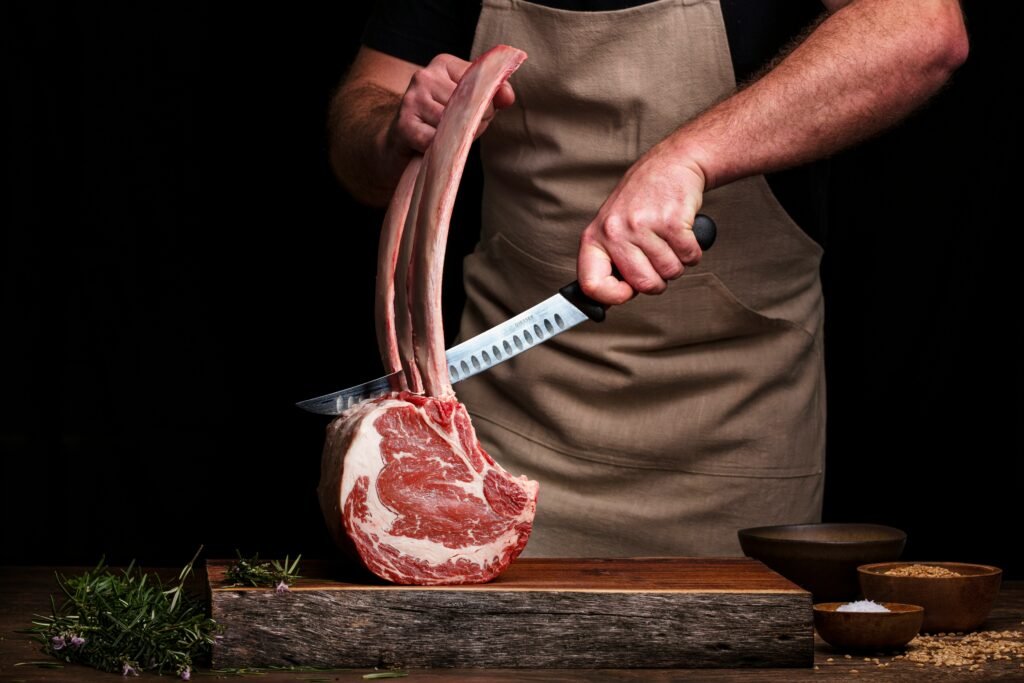
How to Cook Prime Rib Well
Most folks miss tiny things in cooking – chefs? They zero in. Home kitchens rush; pro ones pause. Little steps get attention where others just push through. Precision hides in what seems small. Watching heat, timing cuts, even how oil spreads – that sticks in their mind. Normal routines skip these. Pros build habits around them instead.
Besides boosting airflow, setting the meat on a raised grid within the pan helps color develop more evenly. A small change – like using a rack – keeps heat moving all around.
Jotting down notes while you cook might help more than it seems. When roast size, heat level, and how the meal turned out are saved, patterns start to show up later on.
Most professionals suggest checking the center part of the roast instead because outer spots cool faster. Temperature shifts deeper inside tell a truer story. Readings close to the edge often mislead. The core holds heat longer, showing real progress. Spotting that slow rise matters more.
Most times, less spice means more taste. Because prime rib already carries deep richness, piling on herbs distracts rather than adds. A light touch usually finishes stronger.
Given enough time to prepare, things tend to go smoother. When steps are hurried – especially with prime rib – the chance of errors goes up. Meaningful life experiences and practical everyday guides at our main page.
Traditional Roasting Compared to Reverse Searing
A single person who cooks at home made two nearly identical prime rib roasts, spaced a few weeks between them.
Baking began at 325°F all the way through, no changes. That one turned out just right – crisp outside, soft within.
A different method shaped the second roast. Slow-cooked first at 250°F, it finished strong under intense heat. Only then did the crust form.
A few degrees apart in look, yet both came out well; the one using reverse-sear showed less contrast between outer and inner parts. Though cooked differently, neither missed its mark – stillness during heating seemed to help blend the tones throughout.
Take this case. Spot-on temperature tracking lets varied approaches deliver strong results, whether one method or another takes center stage.
Good Technique and Its Lasting Benefits
Mastering how to cook prime rib well opens doors you might not expect. A solid grasp of basics sticks around longer than one dinner. Knowing what goes into it changes how you see other recipes too. Skills built here apply elsewhere without extra effort. This kind of knowledge grows quietly but lasts. Even small details make a difference down the road.
For big cuts of beef, keeping track of heat matters just as much as letting meat sit after cooking. Seasoning plays a role similar to how water is kept inside during roasting. Think about salt timing like you would the break period before slicing. Watching internal warmth ties closely to how juice stays put. Each step links to another, almost like breathing affects running pace.
Once you learn the basics, handling large cuts of meat becomes much easier. Not scary at all once you get the rhythm.
Surprisingly steady results start showing up when seasoned cooks pay attention to heat levels, also how ingredients are prepped – instead of sticking rigidly to recipe steps.
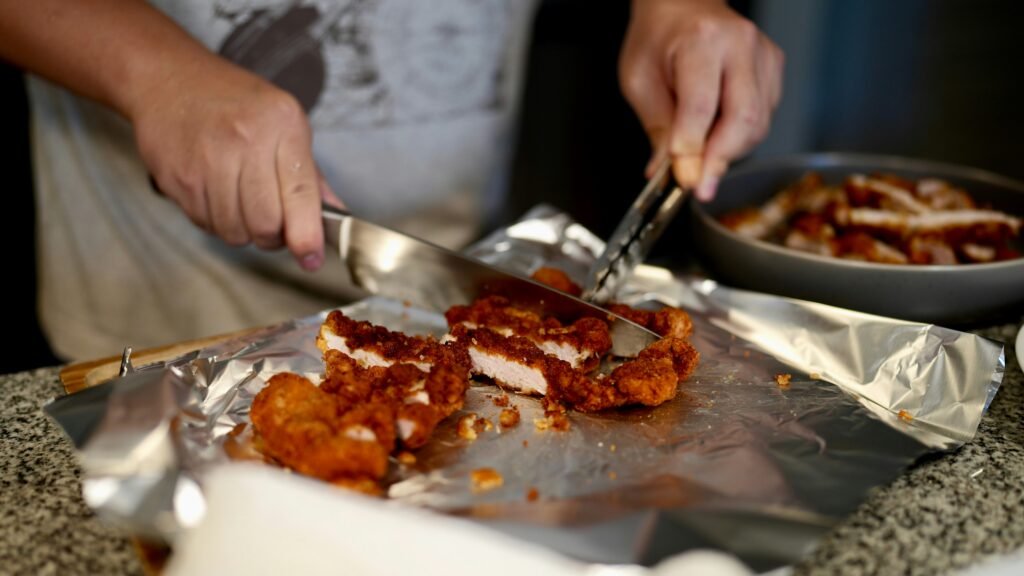
Frequently Asked Questions
What temperature should prime rib be cooked to?
Warm red center? That’s what most go for when it comes to prime rib. Cooks pull it out at 125°F, trusting carryover heat to do the rest. Resting pushes temps into the 130–135°F range slowly. The result lands right where taste buds expect – tender, juicy, just shy of well-done.
Should prime rib be covered while cooking?
Browning happens best when prime rib roasts without a cover. Crust forms easily in open air heat. Exposure during cooking brings out deeper color. Uncovered placement helps texture grow firm. Roasting free of wrapping boosts surface change. Heat works more directly on bare meat. A naked roast accepts full contact from warmth.
How long should prime rib rest?
Wait around half an hour, give or take, before you start slicing. Then again, twenty minutes might be enough if things cooled fast.
Wondering if making prime rib feels tricky when just starting out?
Maybe not. What matters most is keeping track of heat, staying calm – cooking talent isn’t the main thing here.
Can prime rib be seasoned the night before?
True, letting it sit dry salted through the night usually brings out better taste while holding more juice inside.
Heat trapped inside keeps pushing the temperature up once it is out of the oven.
Heat keeps spreading inside the meat after it comes off the flame, slowly changing its texture while it sits. A pause in serving lets warmth travel where it hasn’t reached yet.
Related Articles
For those keen on learning more about roasting, here are some related ideas that could come in handy
- Prime Rib Cooking Time Explained
- How to Use a Meat Thermometer Properly
- Understanding Beef Doneness Levels
- Dry Brining Large Cuts of Meat
- Resting Meat After Cooking
Conclusion
Start things right by getting your roast ready – how you handle it early matters most. Instead of watching the clock, keep an eye on how hot the inside gets; then let it sit before slicing. One method might take hours while another builds flavor fast, yet both ask the same care. Skip the usual errors, stay sharp on timing and heat, plus give rest its due credit. Success shows up when each bite stays moist, rich, without guessing what went wrong – or right.