
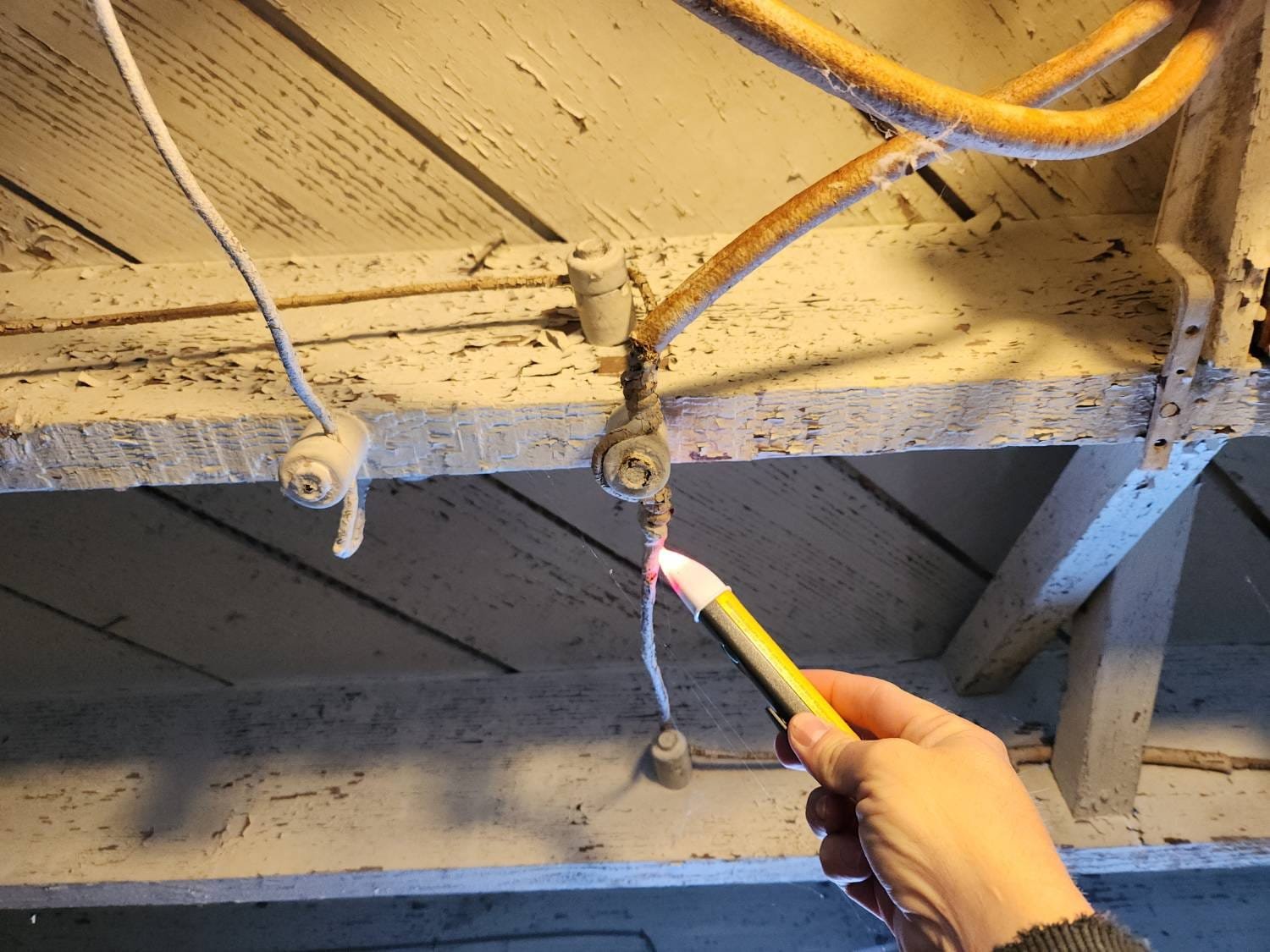
Knob-and-tube wiring is found in many older homes, and while it once served basic electrical needs, it was not designed for modern power demands. Today’s households use appliances, chargers, computers, HVAC equipment, entertainment systems, and safety devices that place more strain on outdated wiring. In historic homes, upgrading this wiring requires care because walls, plaster, trim, and original details may need protection during the process. An electrician helps inspect the system, plan safer replacement, and update circuits while respecting the home’s character and structure.
Safe Upgrade Planning
- Finding Where Old Wiring Still Exists
An electrician helps upgrade knob-and-tube wiring by first locating where the old wiring remains active. Historic homes may have a mix of old and newer wiring because different owners may have made partial updates over many years. Some knob-and-tube wiring may still feed lights, outlets, attic areas, basement sections, or rooms that were never fully updated. A Lansdowne Electrician can inspect visible wiring, electrical panels, junction boxes, outlets, switches, and unfinished spaces to assess how much of the system still relies on older wiring methods. This inspection matters because knob-and-tube wiring is often hidden behind plaster walls, ceilings, and floors. Guessing can lead to missed circuits or unsafe connections. By carefully tracing the wiring, the electrician can create a clear upgrade plan that identifies what needs replacement, what has already been updated, and where extra attention is needed before work begins.
- Reviewing Safety Risks and Power Limits
Knob-and-tube wiring can become risky when it is damaged, altered, covered by insulation, or asked to carry more power than it was designed to handle. Many older systems lack grounding, which can be a concern for modern appliances and three-prong outlets. Over time, insulation around old wires may become brittle, and unsafe splices may appear where newer wiring was connected incorrectly. An electrician can review these risks and explain why a replacement may be needed rather than small patch repairs. They can also check whether circuits are overloaded or whether the panel is supporting more demand than the original wiring can safely manage. This is important because homeowners may not notice a problem until breakers trip, lights flicker, outlets feel warm, or appliances fail to run properly. A careful safety review helps protect the home from hidden electrical strain and supports a better path toward updated service.
- Planning Upgrades Around Historic Materials
Historic homes often include plaster walls, hardwood trim, original flooring, built-in cabinets, decorative ceilings, and other features that homeowners want to preserve. An electrician helps plan wiring upgrades to minimize unnecessary damage to these materials. This may involve choosing careful access points, working through basements or attics where possible, fishing new wiring through wall cavities, and coordinating with repair crews when openings are needed. The goal is to replace unsafe wiring while respecting the home’s original design. This planning requires patience because older homes rarely have simple wall layouts or easy access paths. There may be hidden framing, masonry, blocked cavities, or past renovations that make the work more involved. By studying the structure before cutting into surfaces, the electrician can reduce disruption and help the homeowner understand what areas may need patching after the wiring work is complete.
- Adding Grounded Circuits for Modern Use
One of the major benefits of replacing knob-and-tube wiring is the ability to add grounded circuits. Modern grounded wiring helps support safer use of appliances, electronics, surge protection, and updated outlets. Many older homes have two-prong outlets or ungrounded three-prong outlets that may not provide the protection homeowners expect. An electrician can install properly grounded circuits in bedrooms, kitchens, bathrooms, offices, laundry areas, and living spaces based on how the home is used today. This can make it easier to power computers, televisions, kitchen appliances, and charging stations without relying on extension cords or adapters. Grounded circuits also support the use of updated safety devices where required, such as ground-fault and arc-fault protection. These improvements make the home more practical for daily life while reducing risks linked to outdated wiring. With a thoughtful plan, modern electrical functionality can be added without detracting from the home’s character.
- Updating the Panel and Circuit Layout
Upgrading knob-and-tube wiring often requires reviewing the electrical panel and the way circuits are arranged. An older panel may not have enough capacity, space, or proper breaker protection for the home’s current needs. An electrician can determine whether the panel should be replaced, expanded, or reorganized as new wiring is installed. They can also divide circuits more logically so kitchens, bathrooms, laundry rooms, HVAC equipment, lighting, and outlets are not all competing for power on the same lines. This helps reduce tripped breakers, dimming lights, and overloaded wiring. A better circuit layout also makes future maintenance easier because circuits can be labeled clearly and connected to the correct areas of the home. Historic homes often grew through additions and renovations, so old wiring paths may no longer make sense. Updating the panel and circuit plan helps bring order, safety, and reliability to the electrical system.
An electrician helps upgrade knob-and-tube wiring in historic homes by locating old circuits, reviewing safety risks, planning careful access, adding grounded wiring, updating panels, and supporting future home improvements. Older wiring may still work, but it often cannot safely meet modern electrical needs. Historic homes require additional care because original materials and design details should be protected during upgrades. With a thoughtful plan, homeowners can improve safety, reduce overload risks, and make the electrical system more reliable while preserving the home’s character.
<iframe src=”https://www.google.com/maps/embed?pb=!1m18!1m12!1m3!1d3059.4606422573147!2d-75.2738949!3d39.93108480000001!2m3!1f0!2f0!3f0!3m2!1i1024!2i768!4f13.1!3m3!1m2!1s0x89c6c412cdaf7b1b%3A0xc3217b4007cc1cc8!2sJDV%20Electric!5e0!3m2!1sen!2sno!4v1754470441326!5m2!1sen!2sno” width=”600″ height=”450″ style=”border:0;” allowfullscreen=”” loading=”lazy” referrerpolicy=”no-referrer-when-downgrade”></iframe>